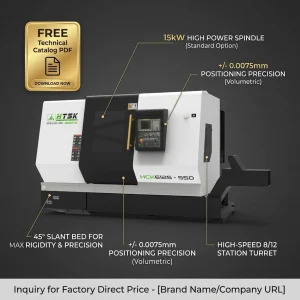
Explore our highly engineered metal forming and CNC lathes built for maximum performance, precision, and industrial longevity.
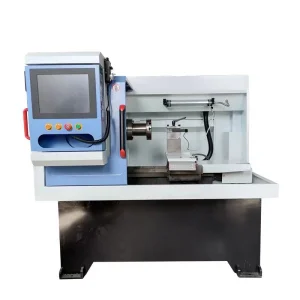
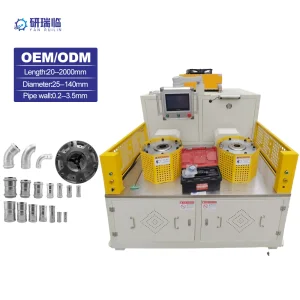
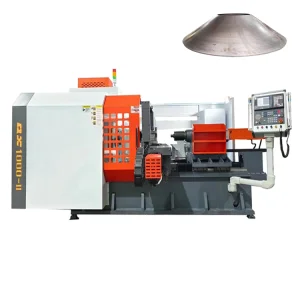
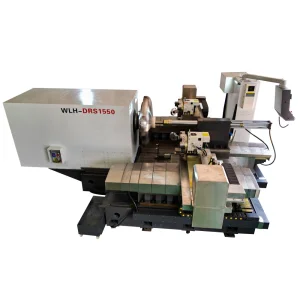
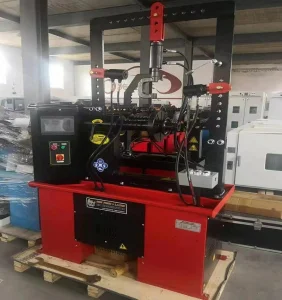
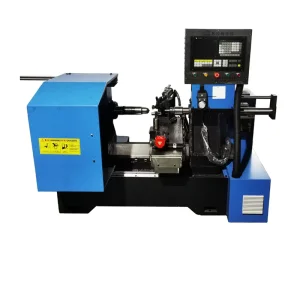
The traditional method of "shadow training" or hands-on training directly on live CNC spinning machines, hydraulic press brakes, or high-precision lathe machinery introduces significant operational liabilities. These liabilities include high material scrap rates during testing, potential damage to capital equipment worth hundreds of thousands of dollars, and—most critically—occupational safety risks to trainees.
By leveraging high-fidelity Virtual Reality (VR) simulators, modern factories and manufacturers can now create an absolute digital twin of their factory floor. The result is a safe, controlled virtual environment that mirrors realistic force feedback, material responses, and CNC control interfaces. This integration of spatial computing directly resolves key training bottlenecks, empowering operators to perfect their craft through kinesthetic and experiential learning before stepping foot on a real factory floor.
Procuring industrial VR training systems is no longer a luxury reserved for top-tier aerospace companies; it has become an operational mandate for global tier-1 suppliers, automotive manufacturers, and custom CNC fabrication facilities. Below are the core factors driving global procurement:
Industrial workplaces are governed by strict safety regulations (e.g., OSHA, EU-OSHA). Simulating complex hazards—such as structural failures, high-speed collisions on metal spinning lathes, or hydraulic leaks—in a safe digital environment helps achieve zero-harm milestones while fulfilling compliance mandates.
When physical machines are used for training, production stops. VR training shifts the onboarding phase of complex CNC programming, manual spinning tool-paths, and heavy press configurations to virtual headsets, keeping physical production lines running 24/7 without interruption.
Multinational companies can deploy uniform training modules globally. Whether training operators in China, North America, or Europe, the standardized training software monitors compliance, metrics, and operation standards with consistent precision.
Evaluating the top global leaders in industrial VR training systems requires looking at their capacity for physics-based accuracy, system customization, and hardware integration. Here are the leading 10 manufacturers shaping industrial operator education today:
ForgeFX is a premier manufacturer specializing in highly custom VR training simulators for heavy-duty earthmovers, high-volume manufacturing lines, and specialized CNC machinery. Their proprietary software integrates high-fidelity physical simulation, mimicking real metal behavior during milling, turning, and spinning.
Focusing strongly on vocational training, Mimbus provides VR solutions for welding, woodworking, and machining. Their unique tracking technology records physical tool positioning, offering real-time feedback on user posture, force, and accuracy to match industrial specifications.
Virtalis specializes in active VR installations and collaborative VR training frameworks for advanced manufacturing. Their technology is widely used by automotive and aerospace OEMs to simulate assembly operations, ergonomic studies, and large-scale plant layouts.
The global leader in mining and heavy equipment simulator deployment. Immersive Technologies designs custom cabin replicas with integrated VR/AR displays. This delivers high-fidelity tactile feedback that trains operators to control giant excavators, heavy-duty rollers, and structural presses safely.
HTX Labs developed the EMPACT platform, offering military-grade immersive training systems. For factories, HTX Labs designs custom industrial environments to train staff in emergency shutdown protocols, complex maintenance procedures, and hazardous fluid handling.
Combining predictive simulation modeling with immersive VR visualization, Lanner allows engineers and operators to simulate factory flow. This system lets operators run virtual CNC metal spinning departments, analyze bottleneck indicators, and implement lean practices before installing physical machinery.
A corporate-focused training developer, Roundtable Learning provides standard-operating-procedure (SOP) training through standalone VR headsets. They specialize in multi-user simulations for machine line setup, preventive maintenance checklists, and ISO-compliance procedures.
Heartwood creates high-fidelity 3D interactive assembly and operations training simulators. Their VR models allow trainees to virtually tear down and rebuild CNC spindles, laser cutting heads, and heavy lathe assemblies, reducing hardware maintenance costs.
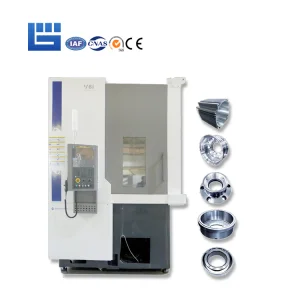
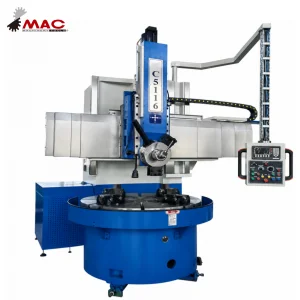
Leveraging deep industrial expertise in CNC metal spinning and vertical lathe design, ZRF has developed specialized, integrated VR simulator frameworks. These systems map the exact physical parameters of automated spinning machines and sheet metal forming tools, providing highly accurate operator training for CNC interfaces.
VRdirect provides a scalable enterprise platform that allows manufacturing plants to create and publish their own VR training programs. With no complex coding needed, factories can turn standard 360-degree training videos of assembly lines into interactive, guided walkthroughs.
The progression of VR simulation for industrial applications is linked directly to advancements in spatial computing, haptics, and physics engines. The industry has established a clear technical roadmap that transitions from basic visual representation to full tactile and cognitive integration:
Integrating VR training into high-speed CNC metal spinning workflows reduces tool collisions by up to 88%. By allowing operators to practice complex toolpaths and feed speeds virtually, plants can extend the working life of physical tooling and precision guideways.
As a high-tech enterprise specializing in the research, development, and manufacturing of CNC spinning machine tools, Zhejiang ZRF Spinning Co., Ltd. has extensive experience and a strong technical foundation in the domestic spinning industry.
Our series of CNC spinning machine tools are widely applied across a variety of industries, including petrochemicals, electronics, daily hardware, food processing machinery, automotive and motorcycle components, pressure vessels, ventilation and environmental protection, defense, and aerospace. The ZRF spinning machine series has reached more than 30 provinces and cities across China and has been exported to over 20 countries and regions worldwide. Our advanced technology, excellent product quality, and comprehensive service system have earned the trust and recognition of users globally.
At Zhejiang ZRF Spinning Co., Ltd., we firmly advocate a philosophy of market-oriented development, research-driven innovation, and technological excellence. We focus on continuous improvement in both product performance and service quality. Our manufacturing process strictly adheres to the ISO9001 quality management system, ensuring reliable, safe, and high-quality products. Over the years, we have established long-term cooperative relationships with many leading domestic and international enterprises.
Our mission and values are centered around:
We are dedicated to providing our clients with advanced, safe, and reliable technology and products. Looking forward, Zhejiang ZRF Spinning Co., Ltd. will continue to leverage its deep technical expertise to strengthen its leadership in China's spinning industry and expand its global presence. With a vision for the 21st century, full of opportunities and challenges, Zhejiang ZRF Spinning Co., Ltd. remains committed to excellence in innovation, quality, and service, striving to become a globally respected leader in spinning machine technology.
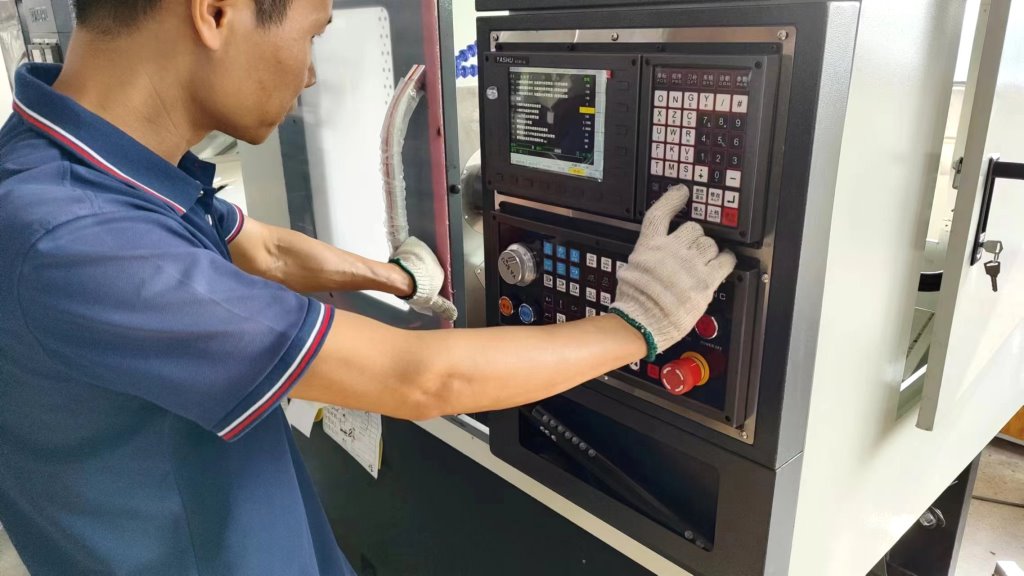
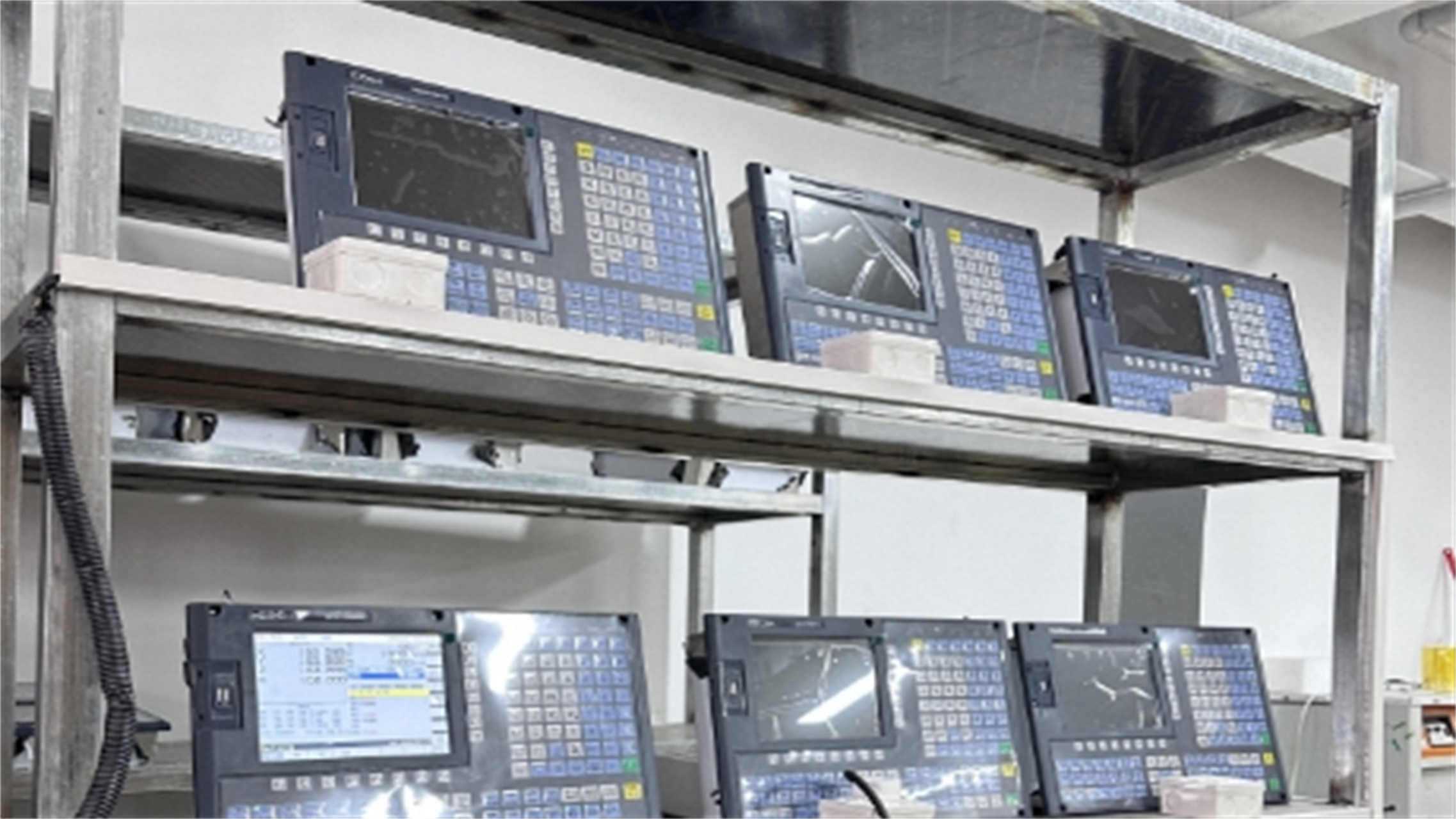
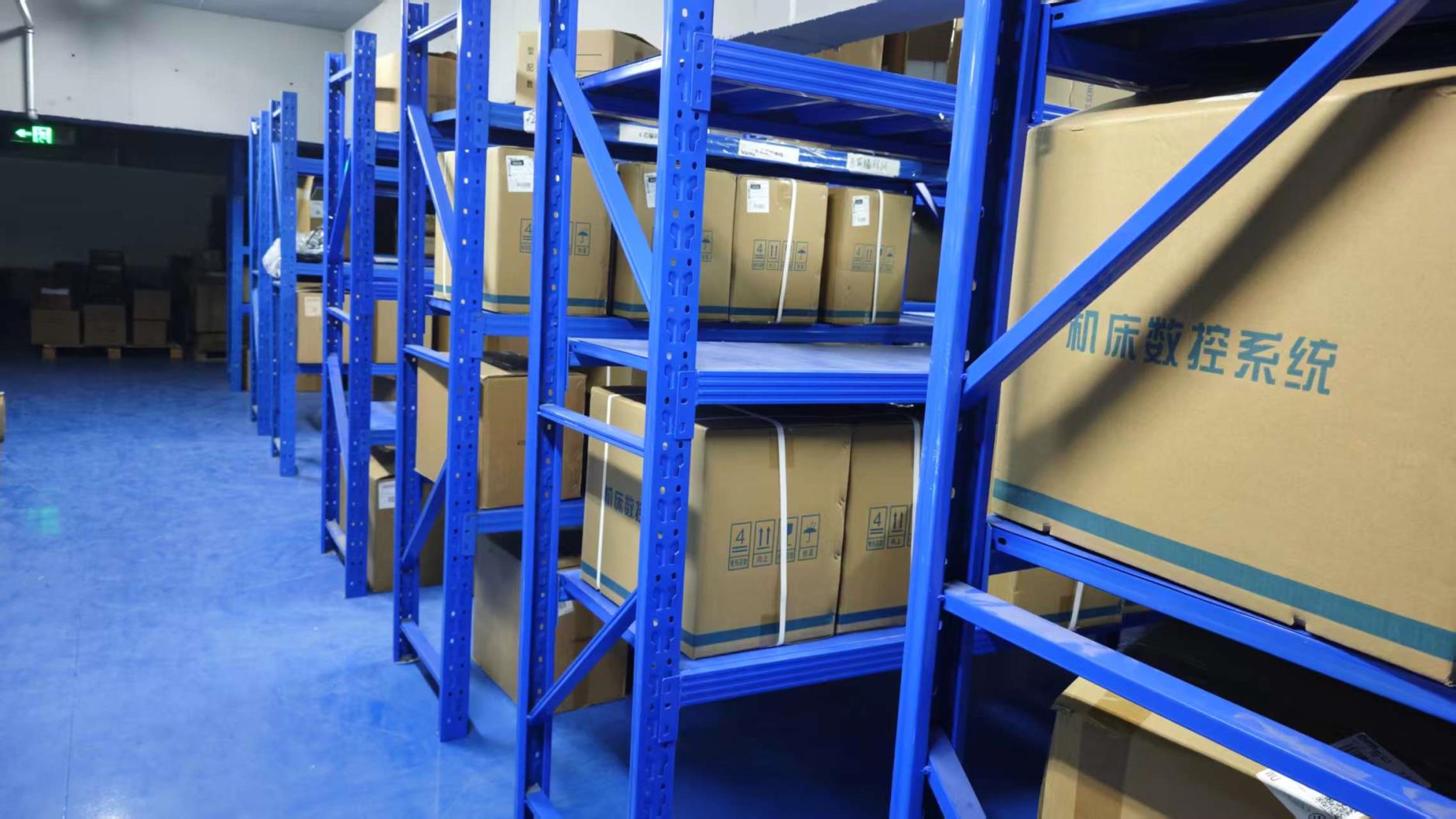
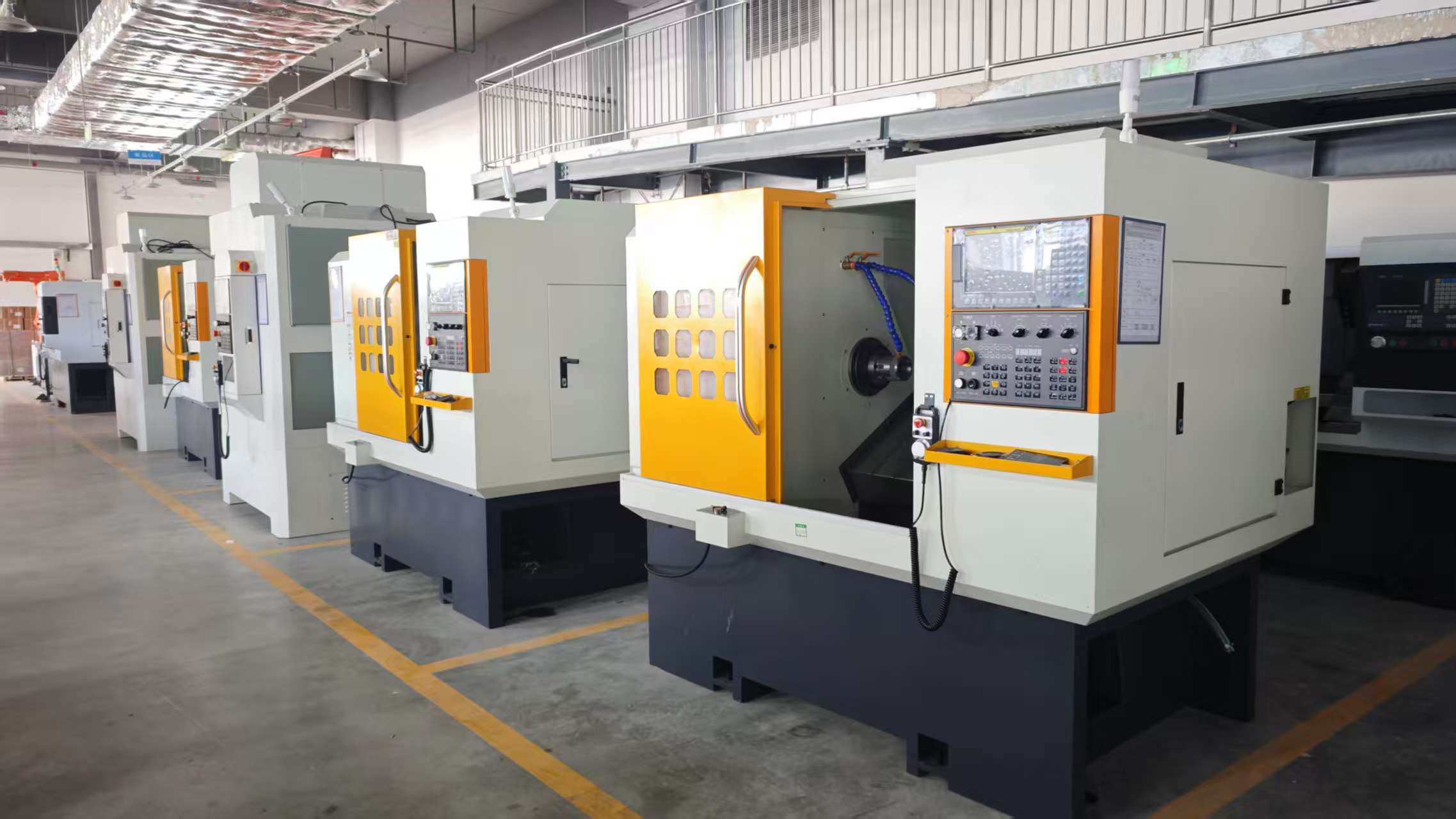
See how our team designs, mills, tests, and validates every CNC spinning and lathe system we build.
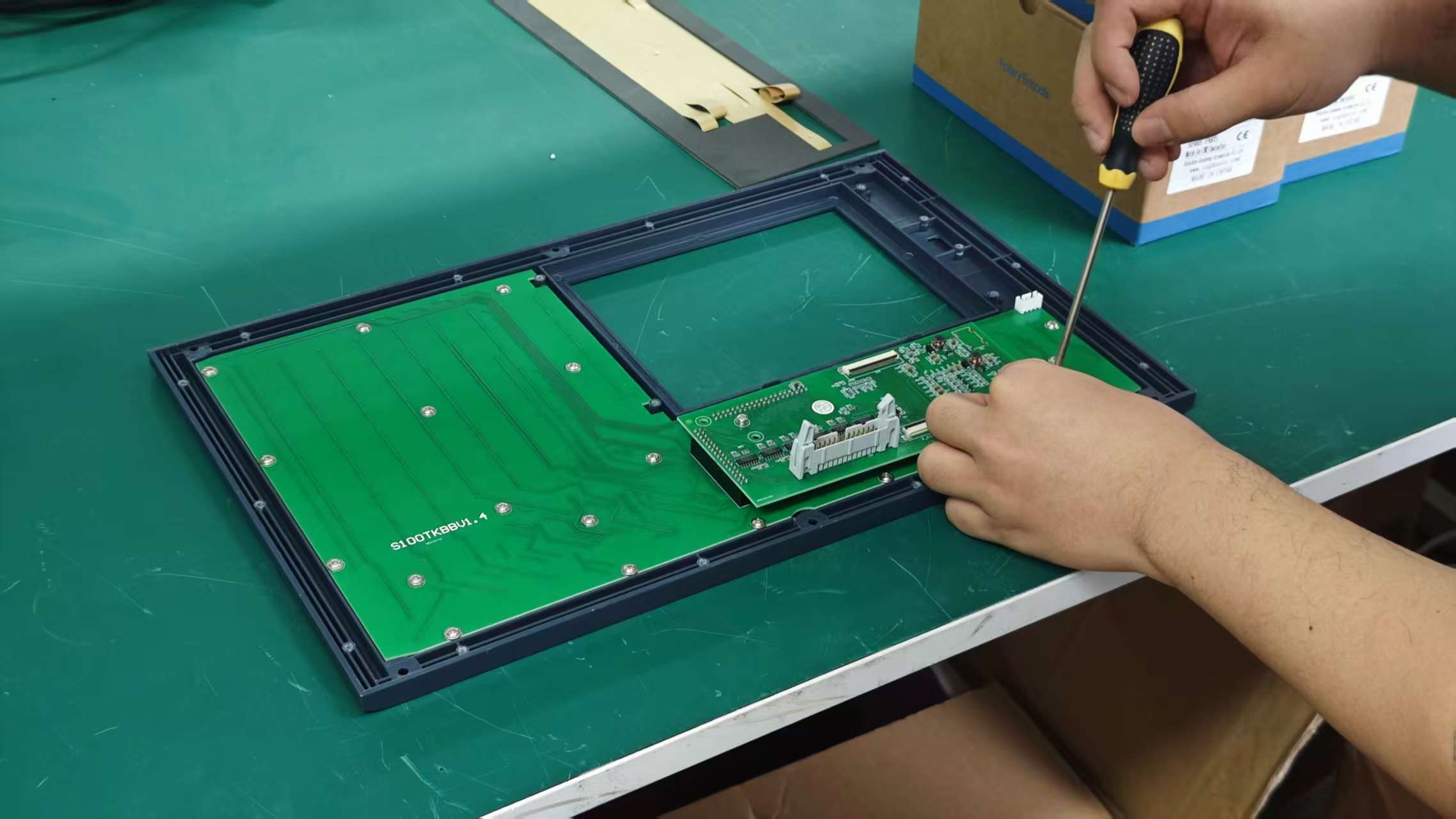
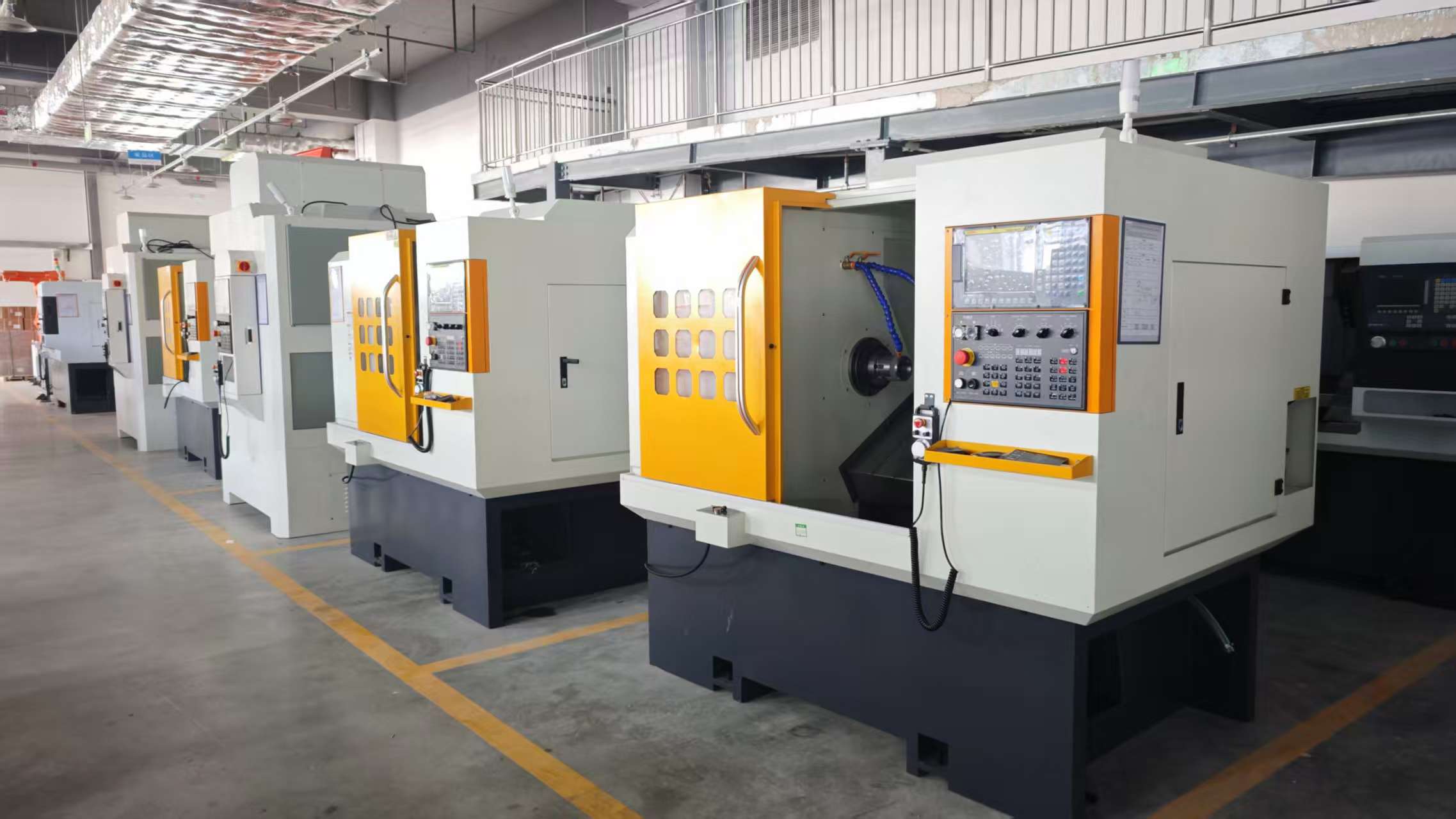
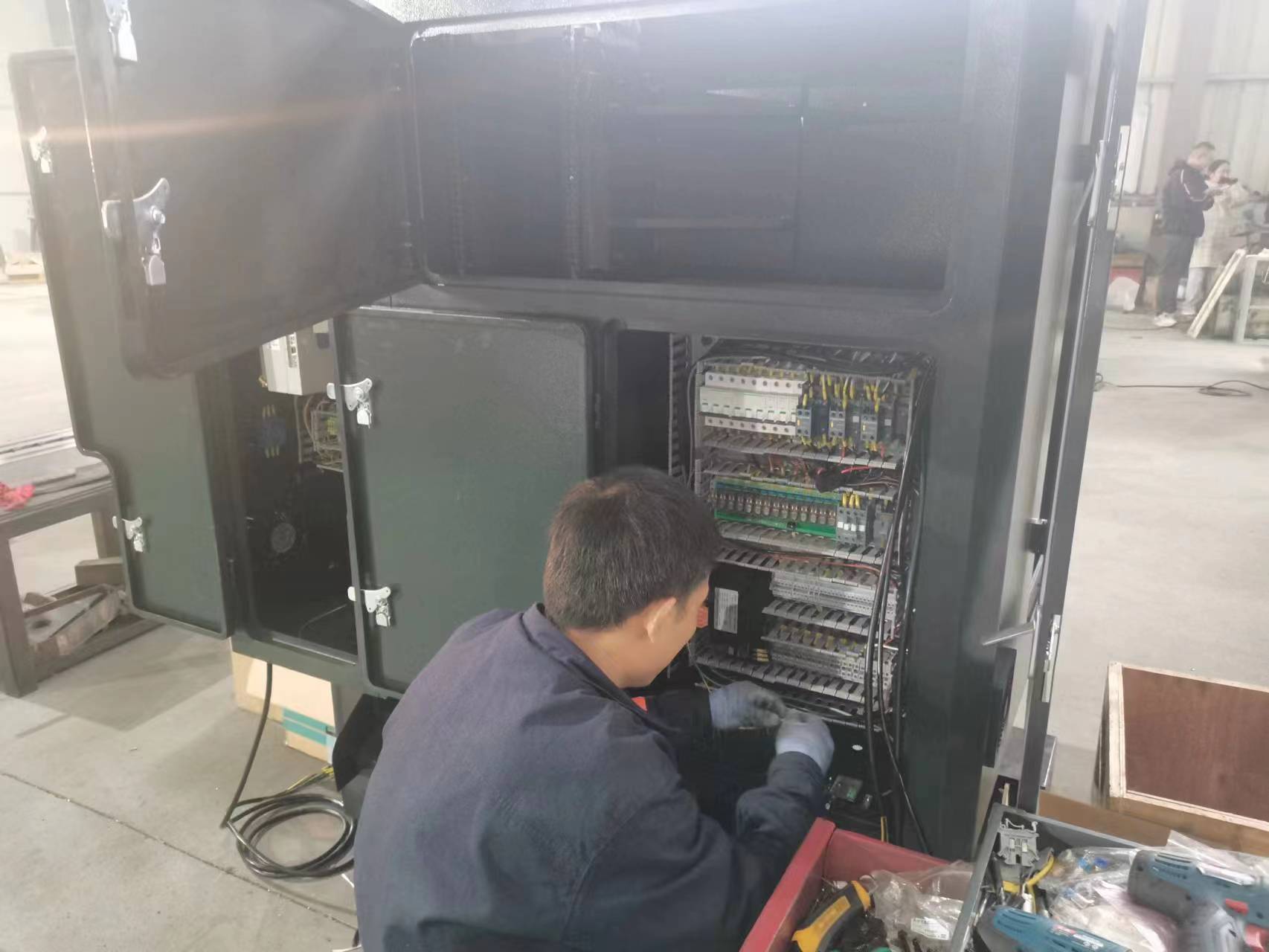
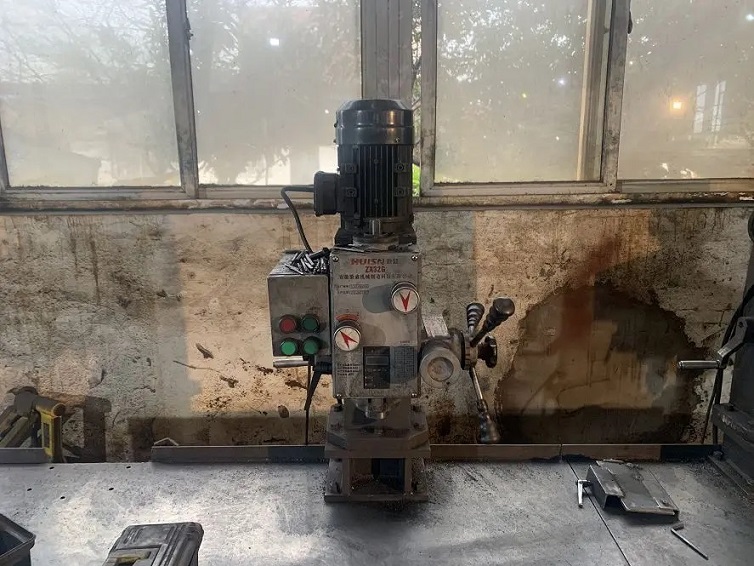
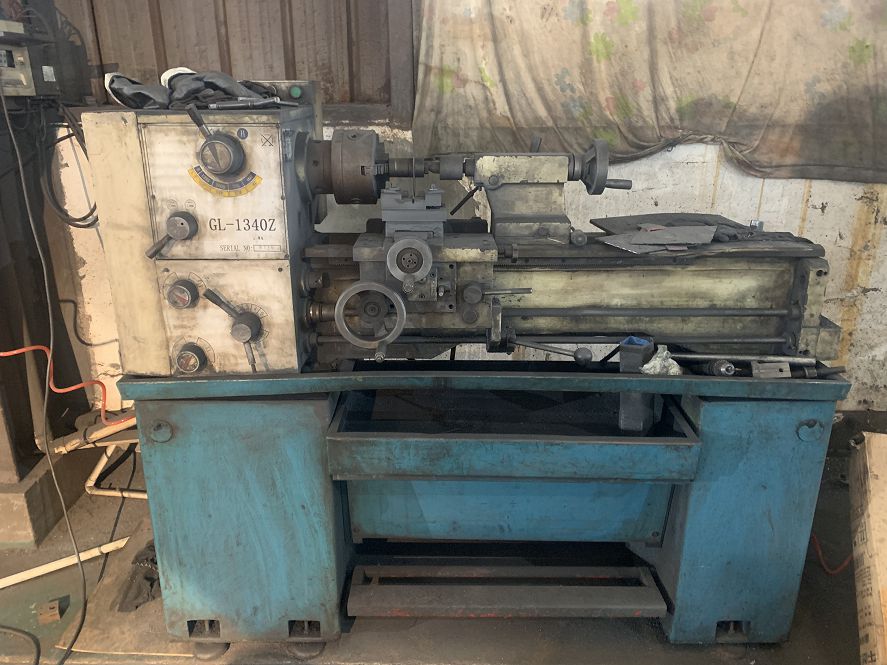
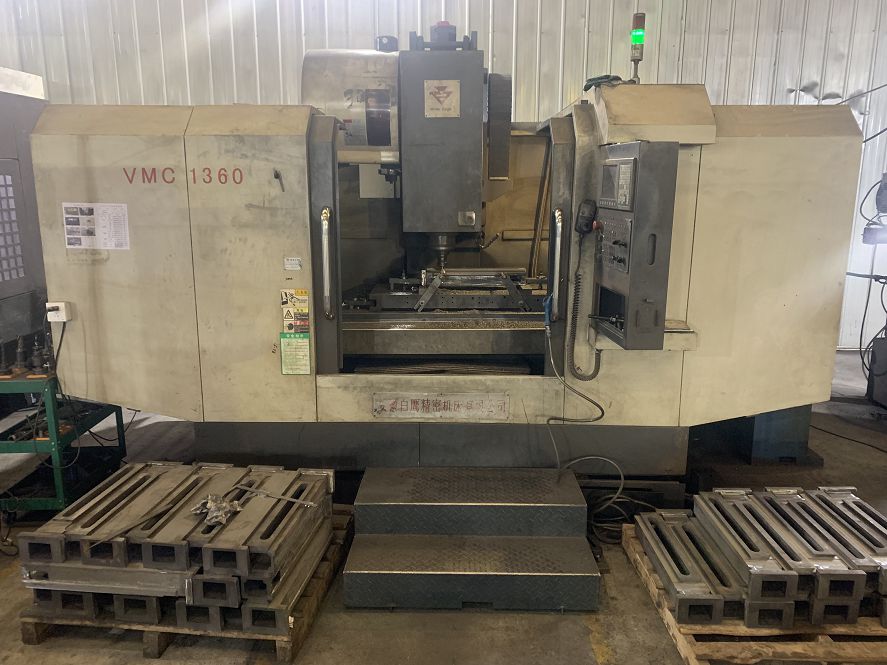
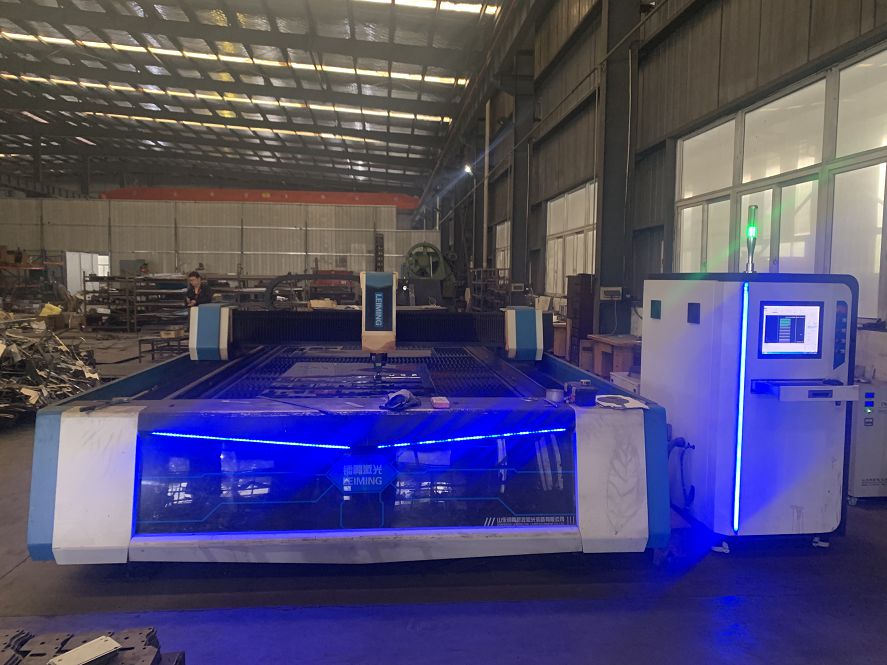
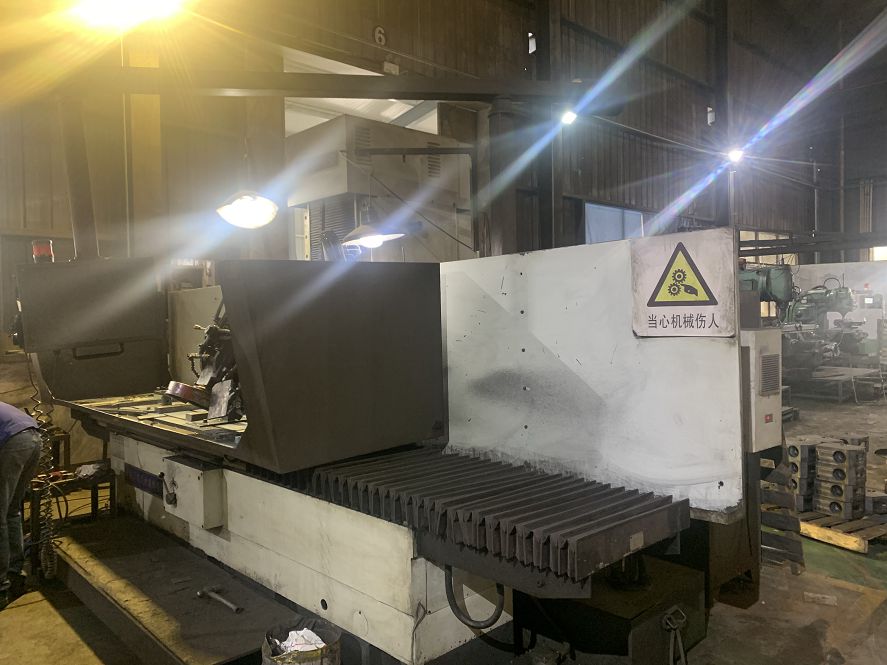
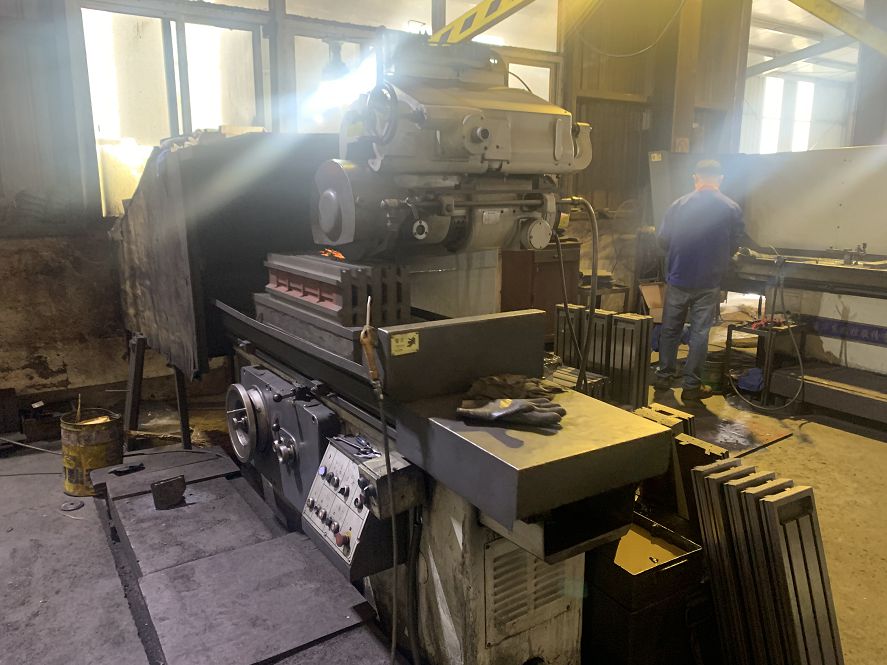
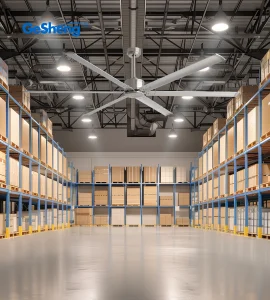
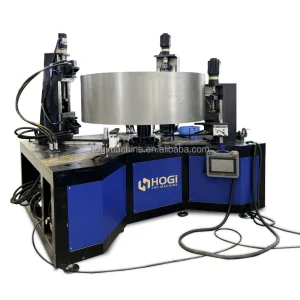
Explore our heavy-duty industrial processing machines, flanging tools, and high-efficiency ventilation equipment.
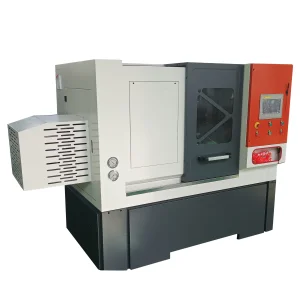
 ZRF Spinning