Explore our advanced metal cutting, forming, and specialized CNC spinning machinery engineered for global manufacturing standards.
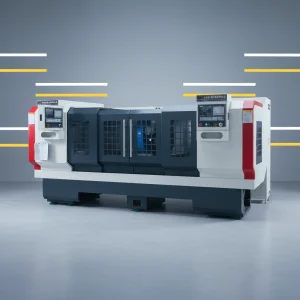
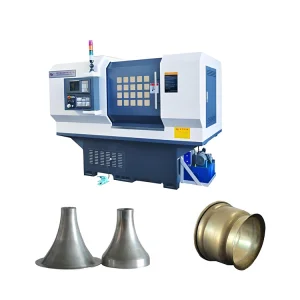
In modern precision metalworking, the selection of metal deformation technologies defines the operational ceiling of aerospace, defense, energy, and automotive suppliers. Vertical metal spinning machinery represents a vital manufacturing vertical. Historically, horizontal lathe setups dominated the market; however, the physics of component weight distribution, deformation dynamics, and large-diameter stability have driven global procurement teams to prioritize vertical CNC arrangements.
For procurement managers sourcing from China factories, the landscape has evolved from simple cost-arbitrage to sophisticated technological alignment. Modern Chinese manufacturers offer deep engineering capabilities, integrating real-time tool path correction, high-tonnage hydraulic force profiles, and complex CNC programming architectures. Buying directly from a factory partner ensures custom-engineered tooling configurations, direct access to mechanical design engineers, and optimization of the total cost of ownership (TCO).
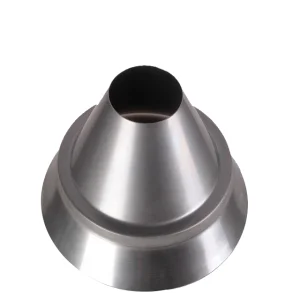
Processing of critical components like rocket nose cones, engine cowlings, and structural dome structures from high-strength alloys.
Production of high-tolerance pressure vessel ellipsoidal heads, oil separators, and large industrial storage tank bottoms.
Forming precise aluminum wheels, railway axle components, and exhaust assembly collectors with minimal material waste.
Evaluating the capabilities of leading CNC spinning manufacturers
When processing extra-large, thick-walled, or heavy-weight blanks, gravitational forces acting upon the workpiece present severe challenges. In a horizontal layout, the cantilevered weight of a large metal sheet leads to micro-deflections relative to the spindle axis. This asymmetry causes uneven wall thinning, eccentric tool path wear, and dimensional degradation.
Vertical CNC spinning machines solve this mechanical limitation by aligning the spindle axis vertically with gravity. Key mechanical advantages include:
The vertical spinning machine excels in executing both shear spinning and flow forming operations. In shear spinning, the final part diameter matches the initial blank diameter, and the wall thickness is governed by the sine law: t = t0 * sin(a). In flow forming, the material is actively extruded in a cylindrical direction, reducing the wall thickness while increasing the length of the workpiece. Realizing these profiles demands dynamic control over axial feed rates and spindle torque, managed via modern CNC controllers.
A High-Tech Leader in CNC Spinning Technology Research, Development, and Manufacturing
As a high-tech enterprise specializing in the research, development, and manufacturing of CNC spinning machine tools, Zhejiang ZRF Spinning Co., Ltd. has extensive experience and a strong technical foundation in the domestic spinning industry. Our series of CNC spinning machine tools are widely applied across a variety of industries, including petrochemicals, electronics, daily hardware, food processing machinery, automotive and motorcycle components, pressure vessels, ventilation and environmental protection, defense, and aerospace.
The ZRF spinning machine series has reached more than 30 provinces and cities across China and has been exported to over 20 countries and regions worldwide. Our advanced technology, excellent product quality, and comprehensive service system have earned the trust and recognition of users globally. At Zhejiang ZRF Spinning Co., Ltd., we firmly advocate a philosophy of market-oriented development, research-driven innovation, and technological excellence.
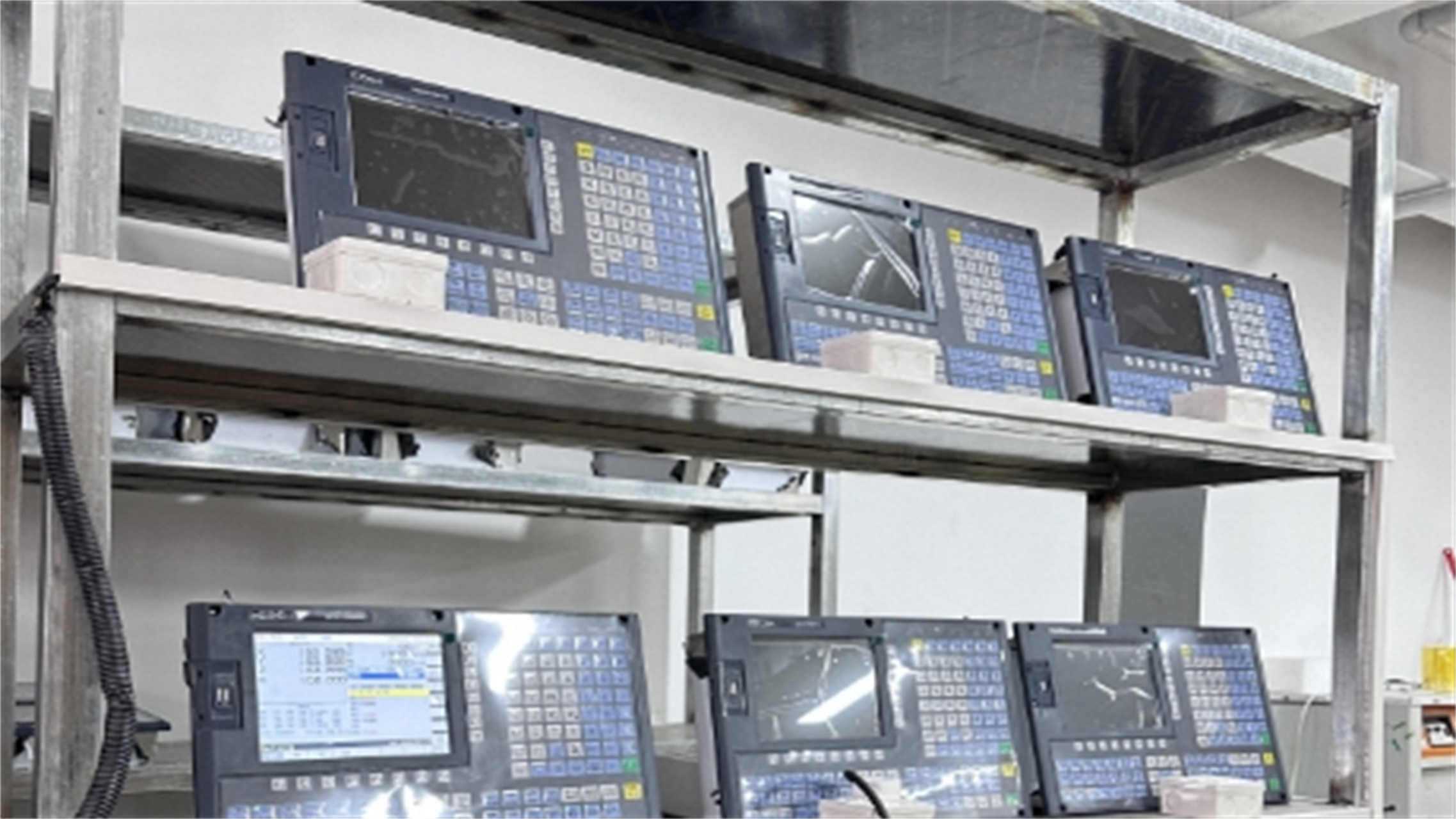
Rigorous manufacturing stages validating our advanced machine assembly and quality assurance systems.
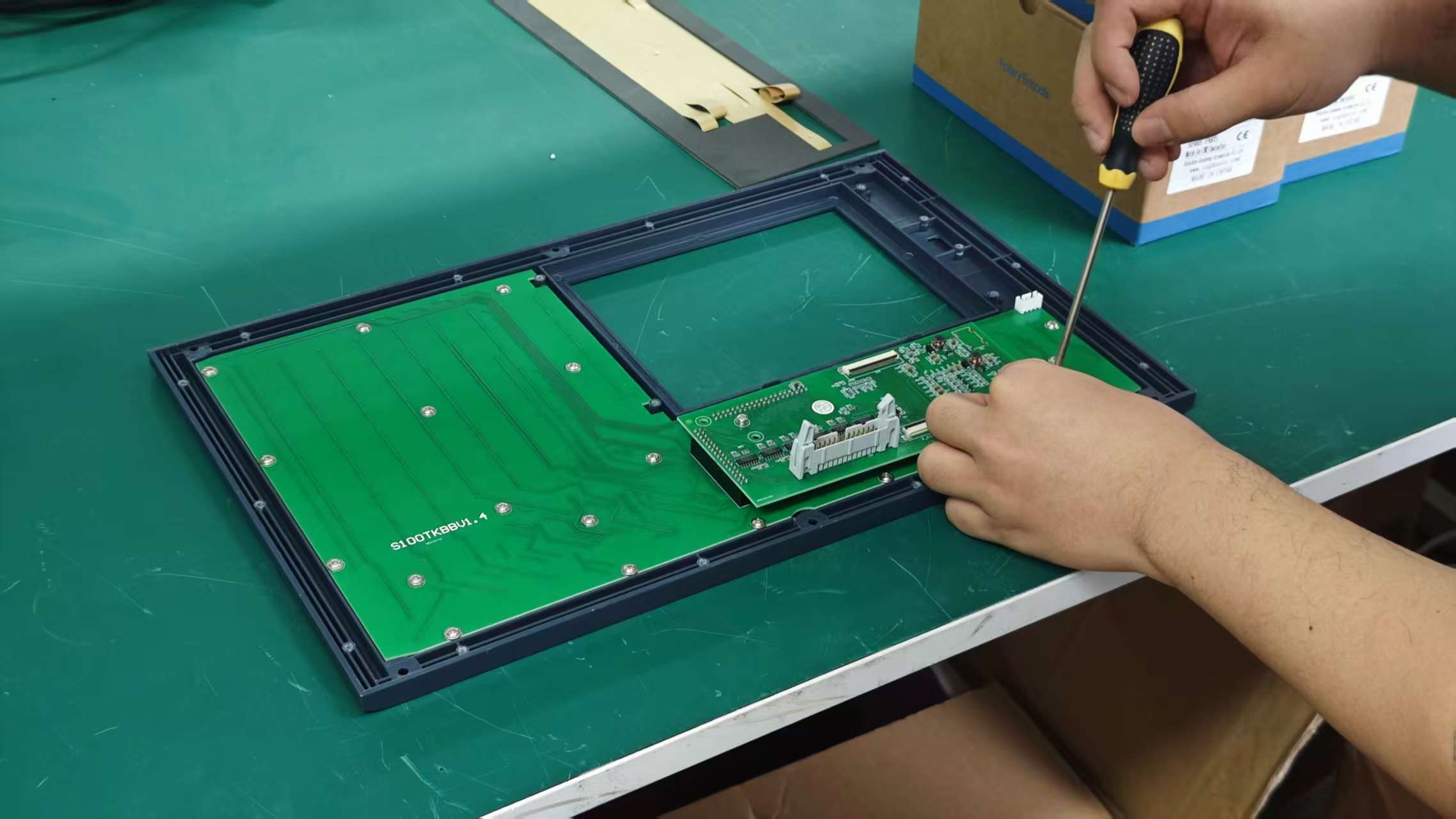
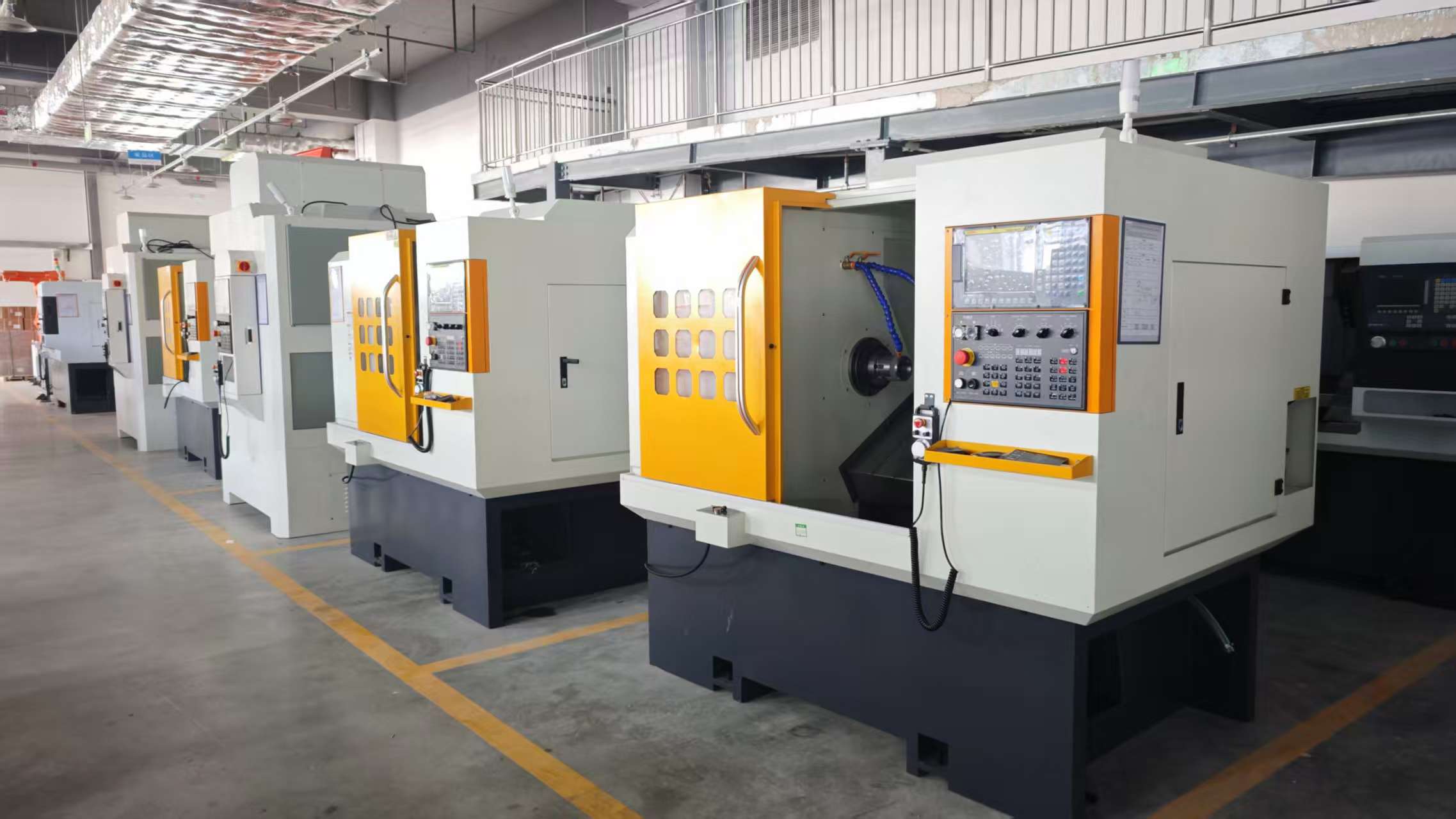
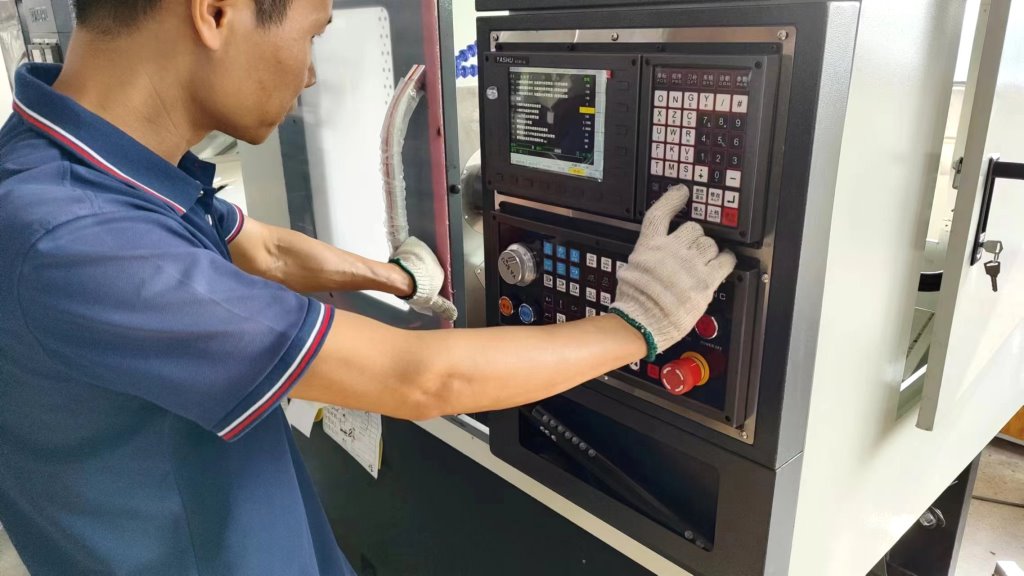
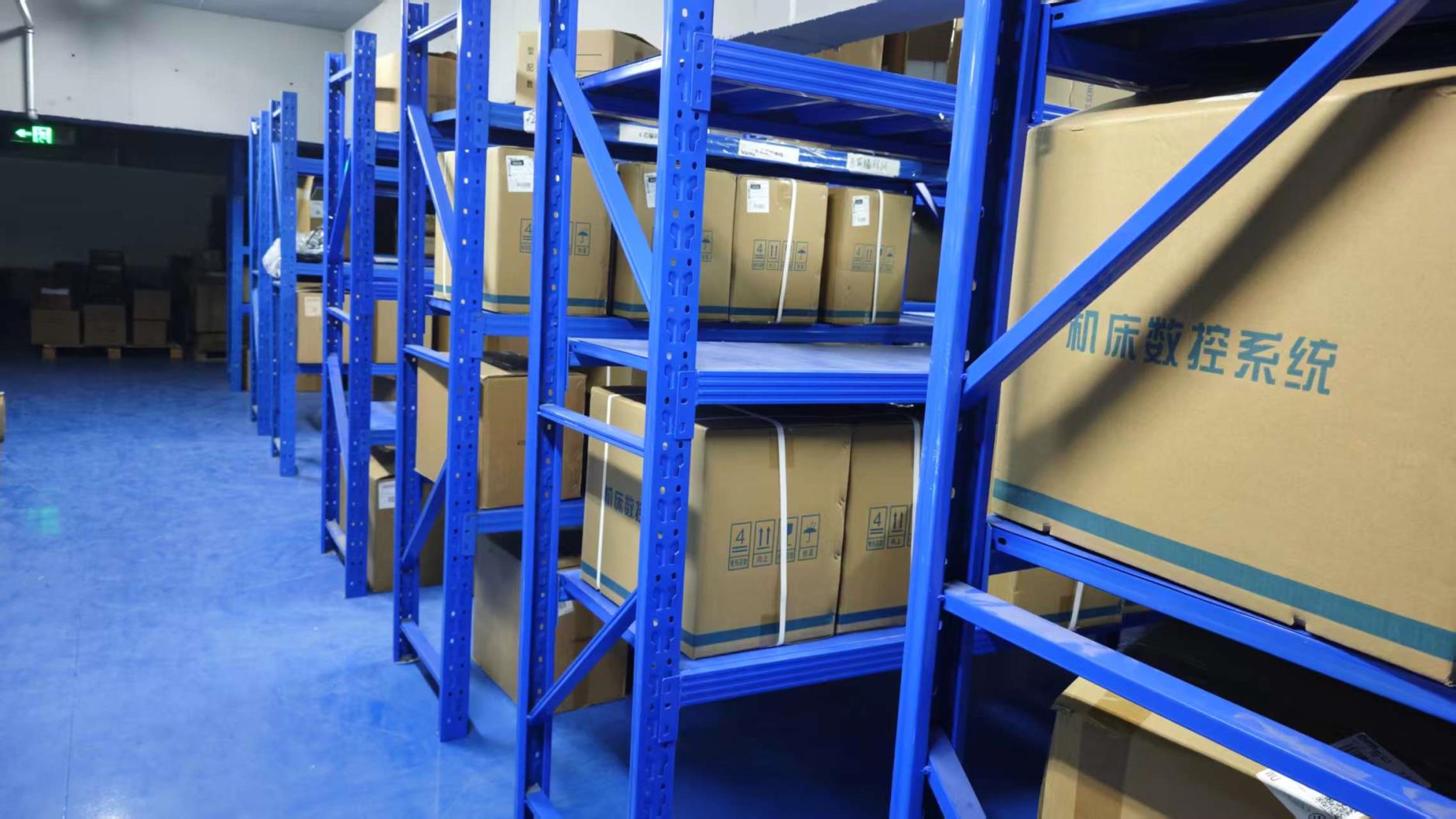
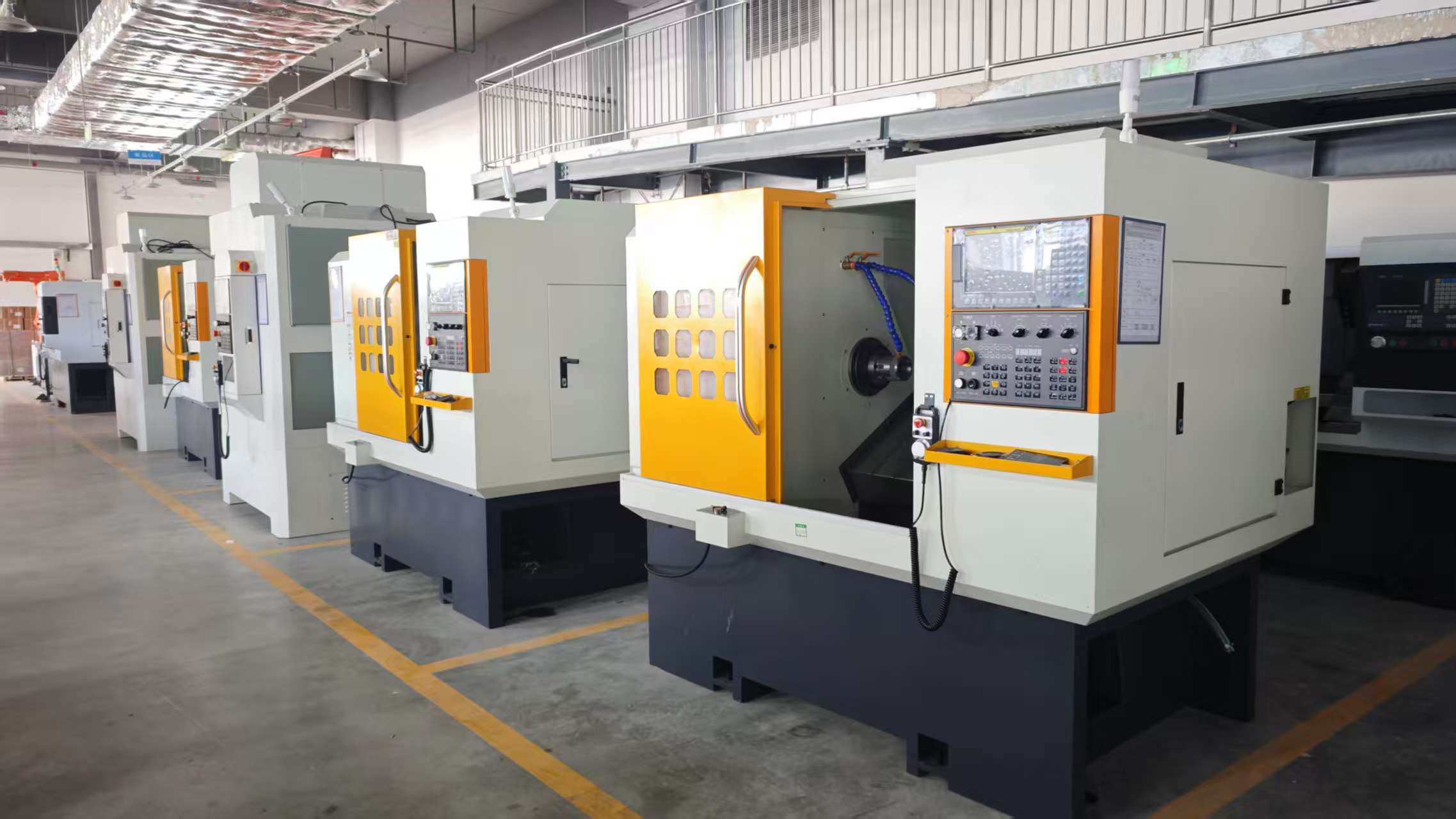
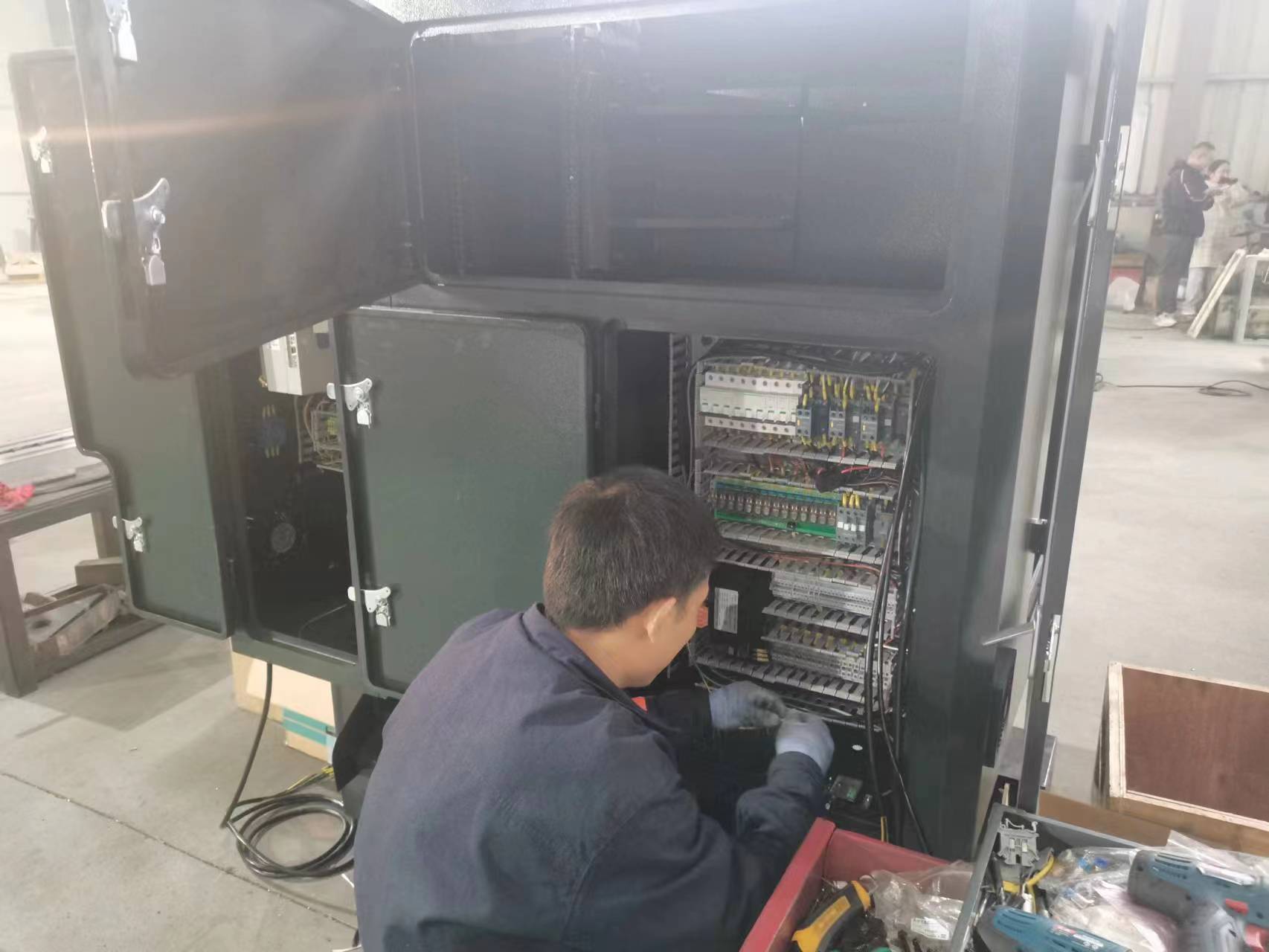
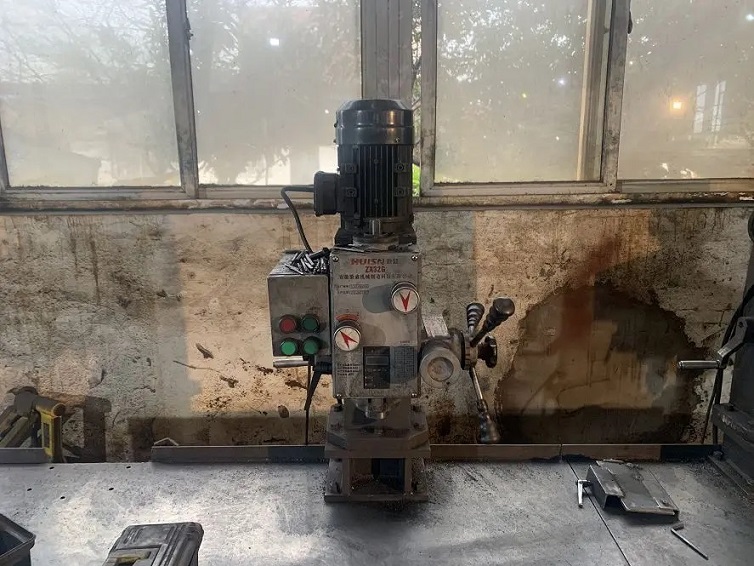
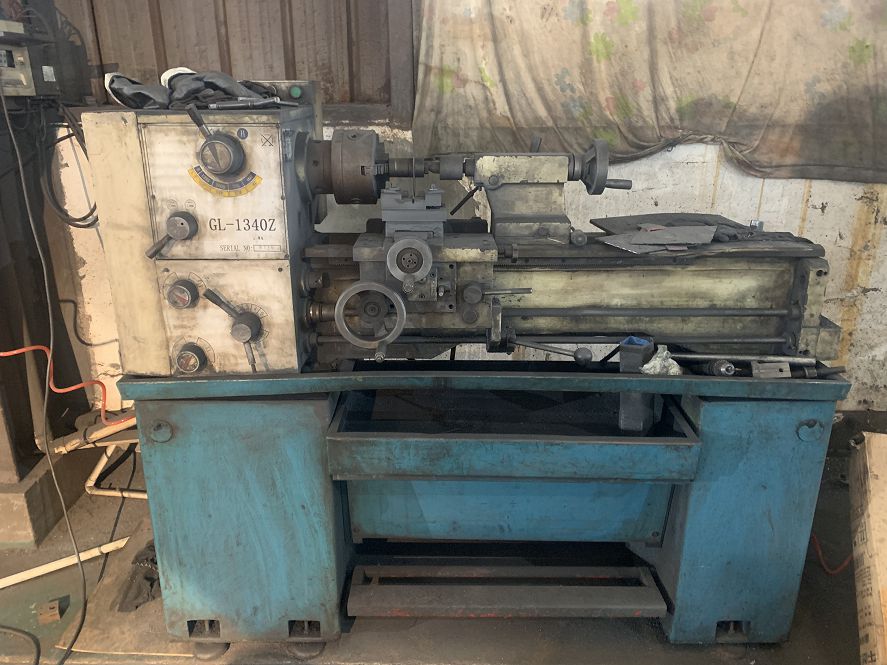
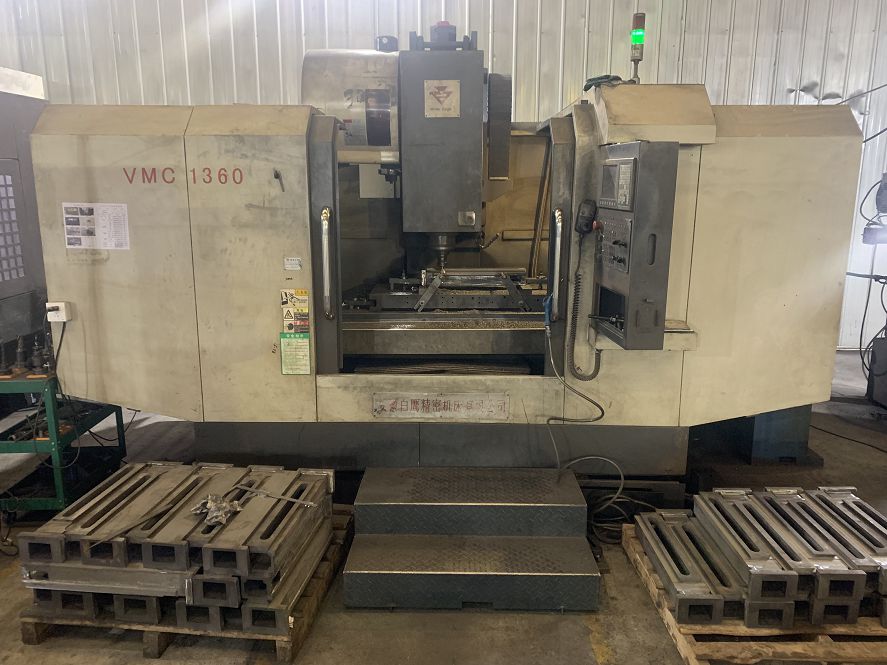
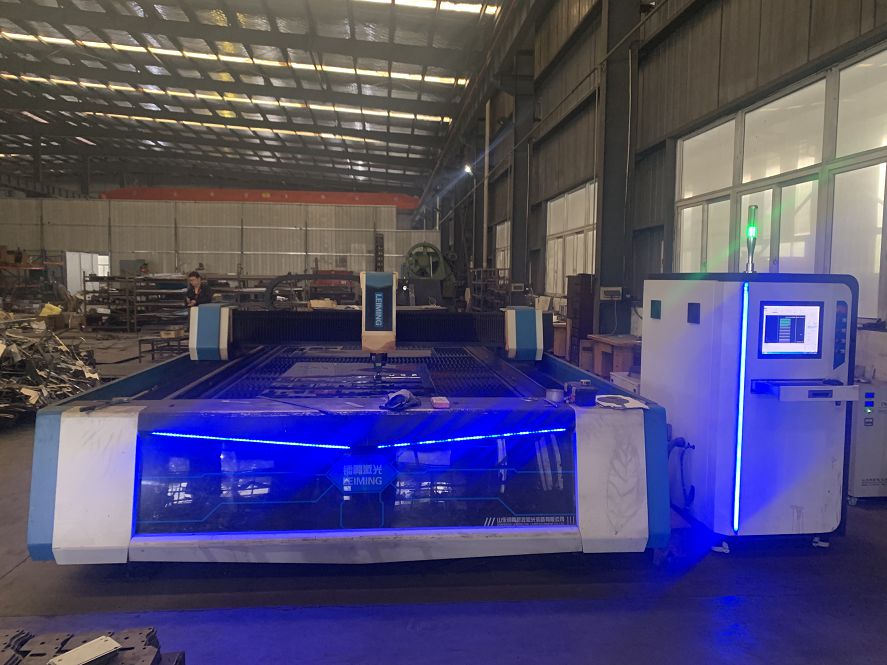
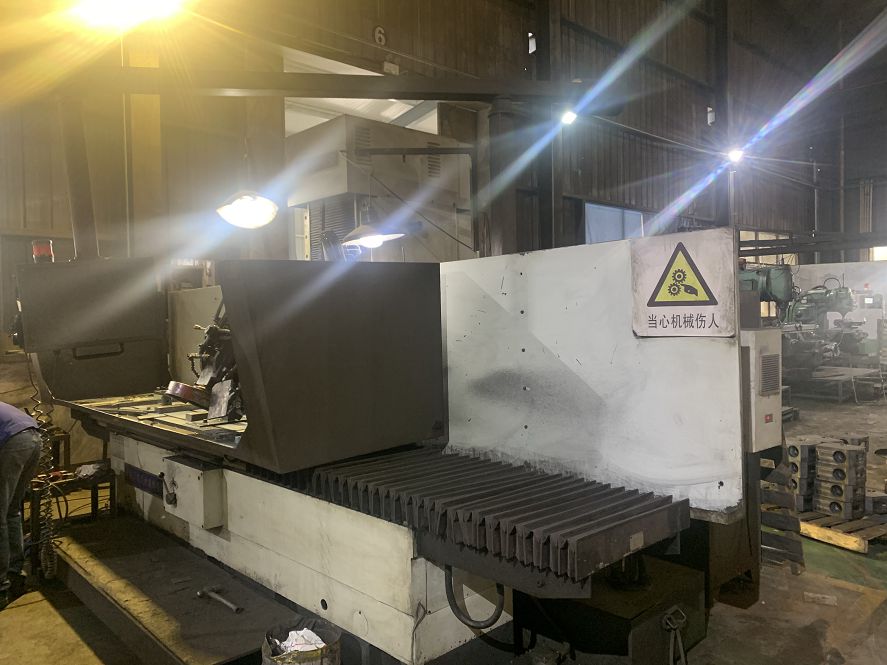
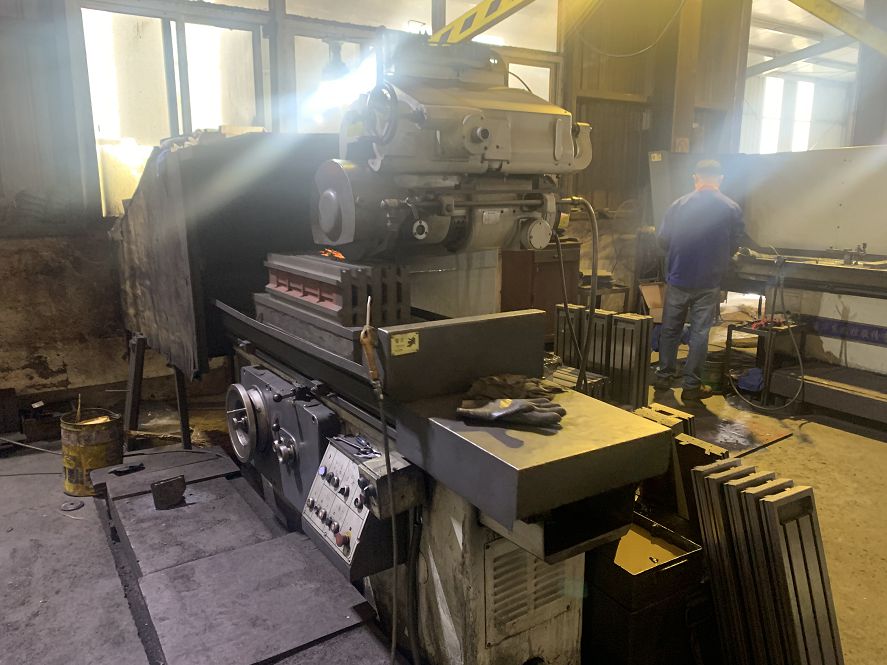
The development timeline of vertical CNC metal spinning machines centers on automation, process repeatability, and integration with Industry 4.0 standards. As production runs demand higher flexibility, manufacturers must adapt their platforms to minimize changeover times and support complex alloy geometries.
Leading R&D programs focus on integrating sensor arrays within the spinning rollers. By tracking real-time deflection forces, temperature rises, and spindle vibrations, the CNC system can auto-adjust feed rates and pressures. This closed-loop control system significantly decreases crack development in sensitive materials such as titanium alloys and high-strength stainless steel.
Prior to executing physical spinning operations on expensive large-diameter blanks, engineers utilize finite element analysis (FEA) software to construct virtual twins of the process. Modern Chinese machinery factories support integration with leading CAD/CAM simulation programs. This allows programmers to test roller path profiles, identify localized thinning limits, and optimize processing speeds before the spindle starts spinning, conserving raw materials and reducing tool wear.
Acquiring large-scale manufacturing machinery requires verifying international safety, electrical, and structural standards. At ZRF, our machinery processes strictly adhere to the ISO9001 quality management system, ensuring reliable, safe, and high-quality products. For exports to North America and the EU, our systems meet relevant machinery safety, electromagnetic compatibility, and pressure equipment directives.
Deploying a vertical sheet metal spinning machine requires careful calibration. Our support programs provide on-site setup, structural positioning, foundation inspection, and software calibration. We ensure your technicians are thoroughly trained in tool path programming, raw material setup, safe operation boundaries, and preventive maintenance.
Minimizing unscheduled downtime is crucial for manufacturing efficiency. Our global parts depots supply essential components, including roller bearings, hydraulic seals, tool holders, and CNC system boards. Our rapid response network ensures prompt delivery of vital parts to minimize disruption.
In-depth engineering and procurement answers on vertical sheet metal spinning machinery.
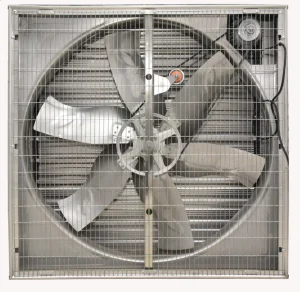
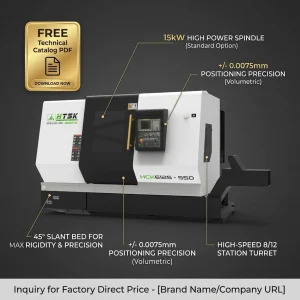
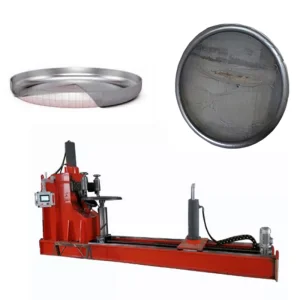
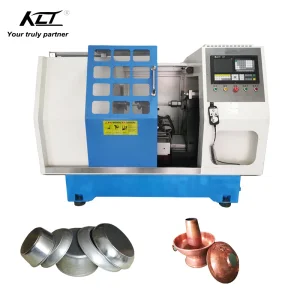
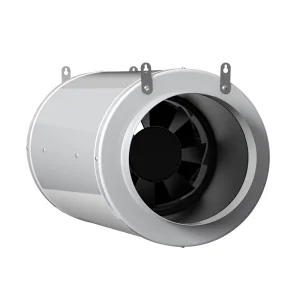
Complete your production setup with heavy-duty flanging systems, specialized lathe components, and ventilation equipment.
 ZRF Spinning