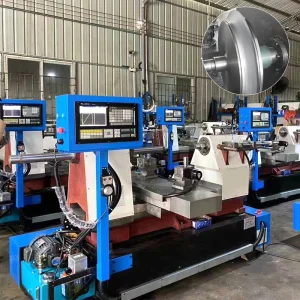
High-end CNC metal-forming and spinning systems designed to produce precision, aerodynamic, and structural elements for global high-efficiency ventilation, heating, and cooling networks.
In an era defined by aggressive climate mandates, net-zero greenhouse gas commitments, and volatile energy costs, heating, ventilation, and air conditioning (HVAC) systems represent the single most critical leverage point for facility managers, structural engineers, and industrial developers. Accounting for approximately 40% to 50% of the total energy consumption in commercial and industrial buildings globally, the optimization of thermal comfort and environmental control systems is no longer merely an operational preference—it is a compliance and financial imperative.
As a premier global manufacturing exporter, China's wholesale energy-efficient HVAC supply chain has evolved rapidly. Driven by domestic carbon neutrality targets (China’s 30-60 Double Carbon Goal) and integration with global eco-design codes, manufacturers now deliver world-class solutions. Achieving top-tier energy efficiency requires optimizing the core mechanical components—such as aerodynamic centrifugal fan impellers, high-pressure scroll compressors, and low-loss distribution manifolds—where fluid mechanics and structural integrity dictate overall energy consumption.
The global market for industrial and commercial HVAC systems is undergoing a major technological shift. The adoption of strict regulatory frameworks is pushing building operators to phase out obsolete, energy-intensive equipment:
This regulatory landscape requires advanced hardware. China's industrial manufacturing sector has responded by transitioning from basic fabrication to high-precision engineering. By utilizing advanced CNC flow-forming, heavy-duty spinning machines, and automated multi-axis mills, Chinese exporters supply highly integrated HVAC units that reduce thermal drag, minimize mechanical friction, and deliver superior Seasonal Coefficient of Performance (SCOP) values.
Information Gain Insight: The efficiency of an HVAC system is directly limited by the aerodynamics of its fan impellers and the tightness of its cooling tube formations. Any minor geometric deviation or structural weld imperfection in a fan housing increases turbulence and energy loss. Precision manufacturing with automated CNC spinning equipment eliminates these issues by creating seamless, single-piece metal components with uniform material density and minimal dynamic imbalance.
Behind every efficient industrial air handling unit (AHU), water-cooled chiller, or variable refrigerant flow (VRF) system lies a series of precision-manufactured metal parts. The performance of these systems depends heavily on the forming methods used to produce them:
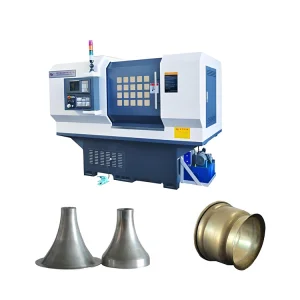
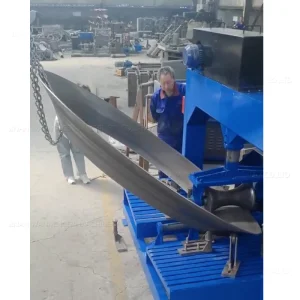
Centrifugal fans are critical to industrial air movement. Traditional multi-piece welded impellers create drag-inducing seams and imbalance points. Modern CNC spinning machines shape single-sheet metals into precise curves, reducing aerodynamic turbulence and saving up to 15% in fan motor power consumption.
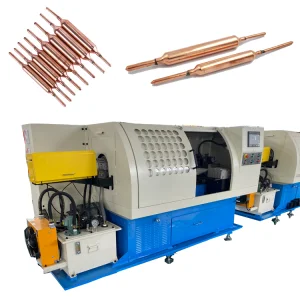
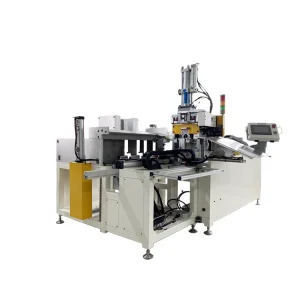
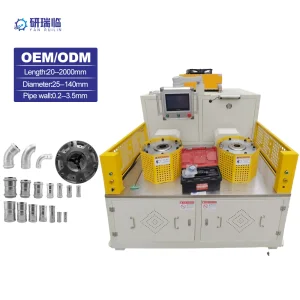
Refrigerant distribution manifolds require precise, high-speed punching and end-forming to avoid flow restriction. By using CNC automatic manifold punching and tube-end spinning machines, suppliers create internally smooth, leak-free manifolds that maintain ideal system pressure and improve overall COP.
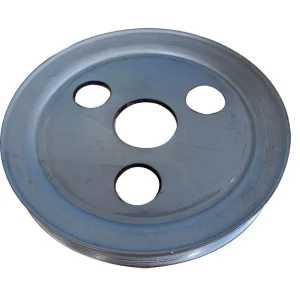
Large-scale fan belts and belt drives must be perfectly aligned to prevent mechanical energy loss. High-precision CNC pulley spinning machines yield balanced, wear-resistant pulleys that reduce power loss in commercial ventilation networks.
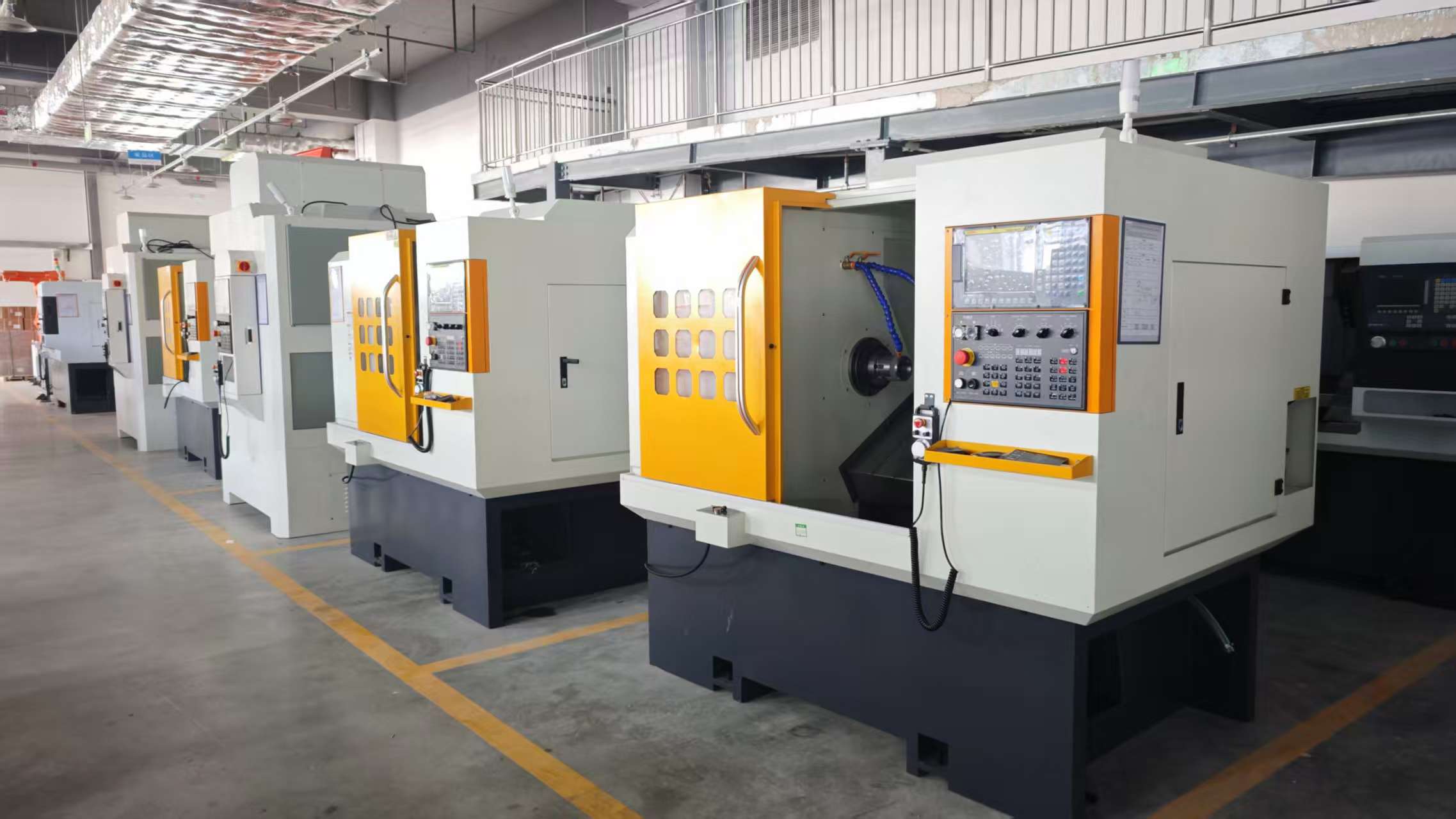
Zhejiang ZRF Spinning Co., Ltd. – Delivering the high-tech CNC forming machinery that powers the global supply chain for energy-efficient HVAC housings, impellers, and heat exchangers.
As a high-tech enterprise specializing in the research, development, and manufacturing of CNC spinning machine tools, Zhejiang ZRF Spinning Co., Ltd. has extensive experience and a strong technical foundation in the domestic spinning industry.
Our series of CNC spinning machine tools are widely applied across a variety of industries, including petrochemicals, electronics, daily hardware, food processing machinery, automotive and motorcycle components, pressure vessels, ventilation and environmental protection, defense, and aerospace. The ZRF spinning machine series has reached more than 30 provinces and cities across China and has been exported to over 20 countries and regions worldwide. Our advanced technology, excellent product quality, and comprehensive service system have earned the trust and recognition of users globally.
At Zhejiang ZRF Spinning Co., Ltd., we firmly advocate a philosophy of market-oriented development, research-driven innovation, and technological excellence. We focus on continuous improvement in both product performance and service quality. Our manufacturing process strictly adheres to the ISO9001 quality management system, ensuring reliable, safe, and high-quality products. Over the years, we have established long-term cooperative relationships with many leading domestic and international enterprises.
Our mission and values are centered around:
We are dedicated to providing our clients with advanced, safe, and reliable technology and products. Looking forward, Zhejiang ZRF Spinning Co., Ltd. will continue to leverage its deep technical expertise to strengthen its leadership in China’s spinning industry and expand its global presence.
With a vision for the 21st century, full of opportunities and challenges, Zhejiang ZRF Spinning Co., Ltd. remains committed to excellence in innovation, quality, and service, striving to become a globally respected leader in spinning machine technology.
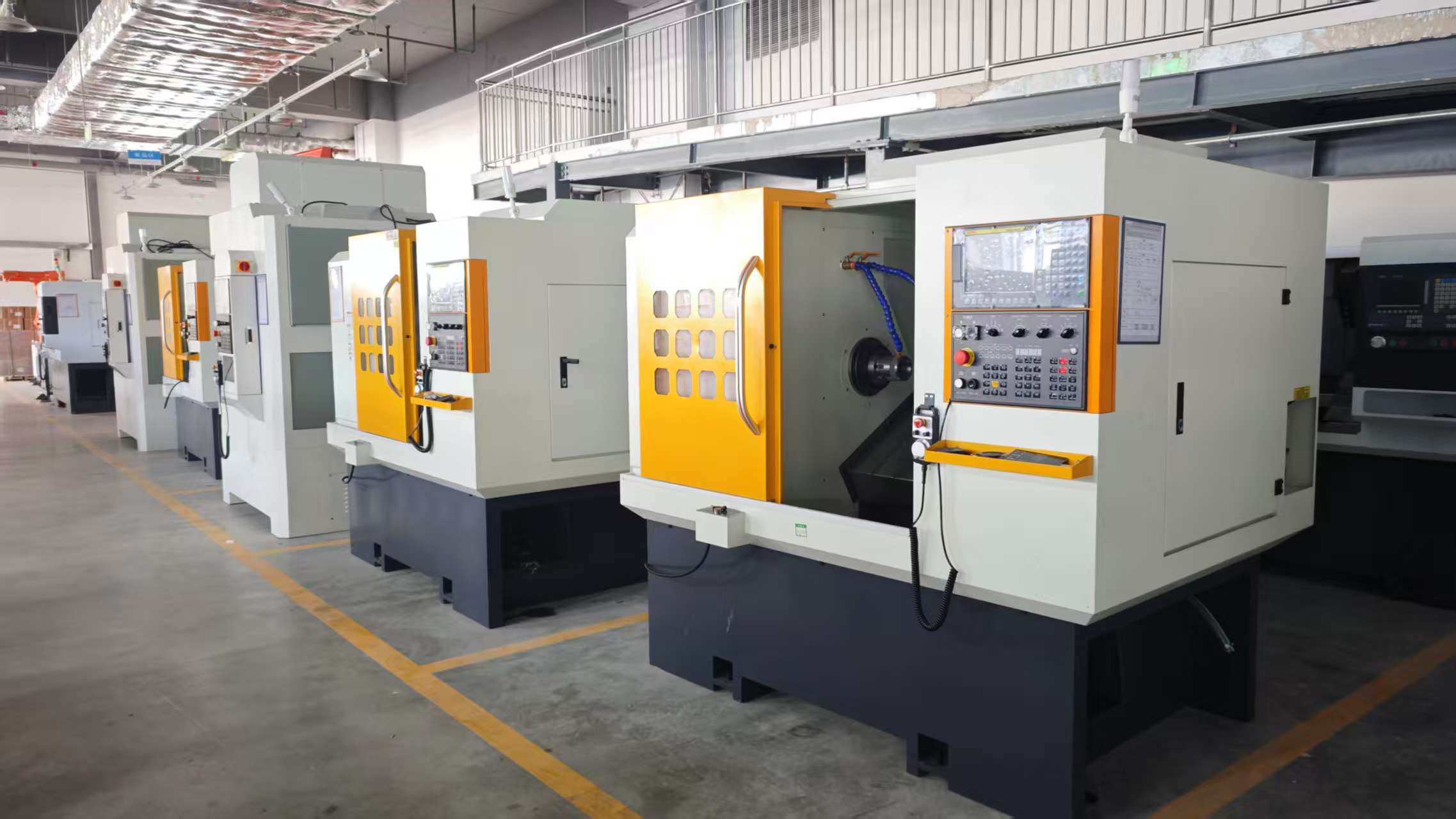
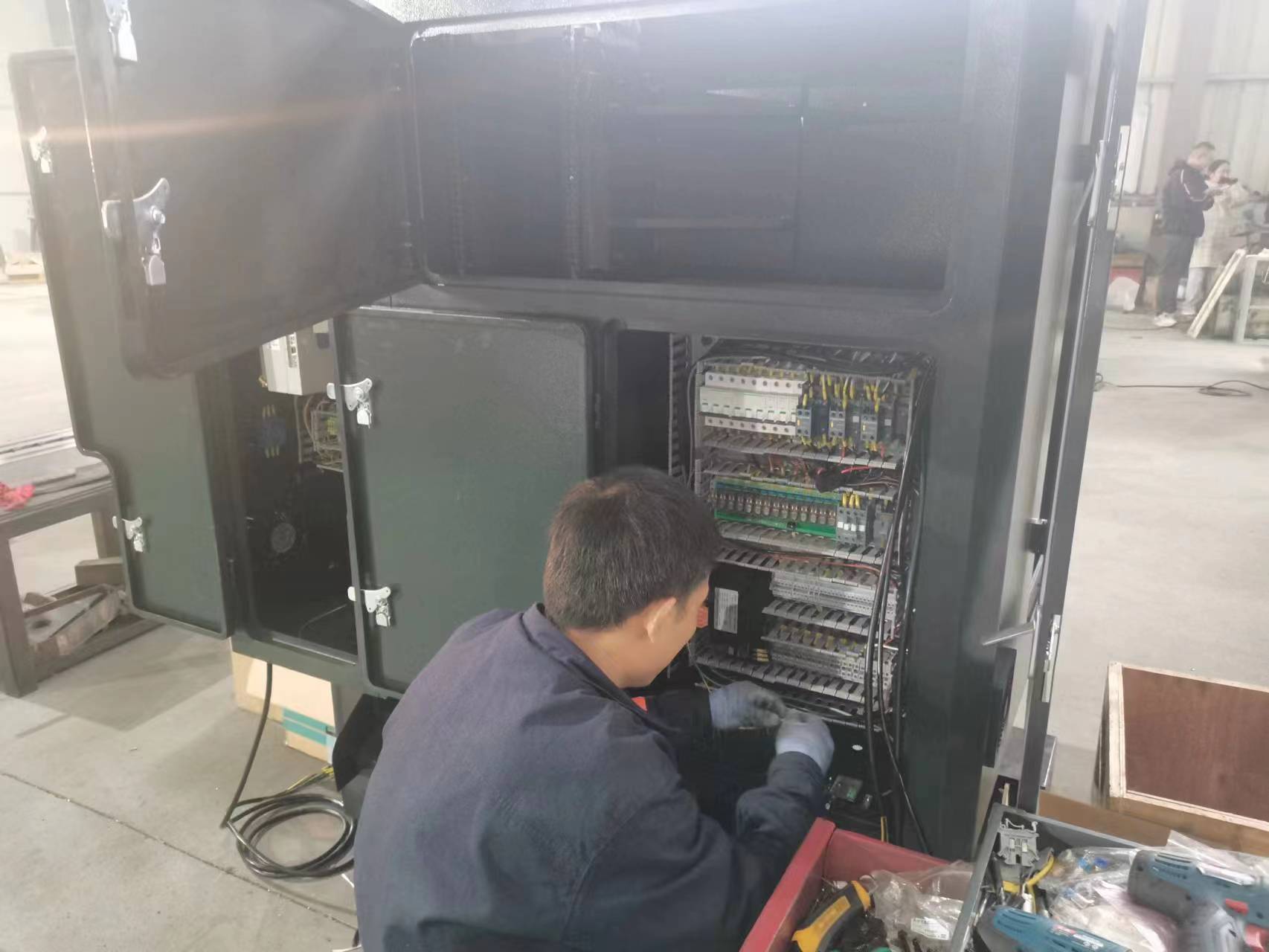
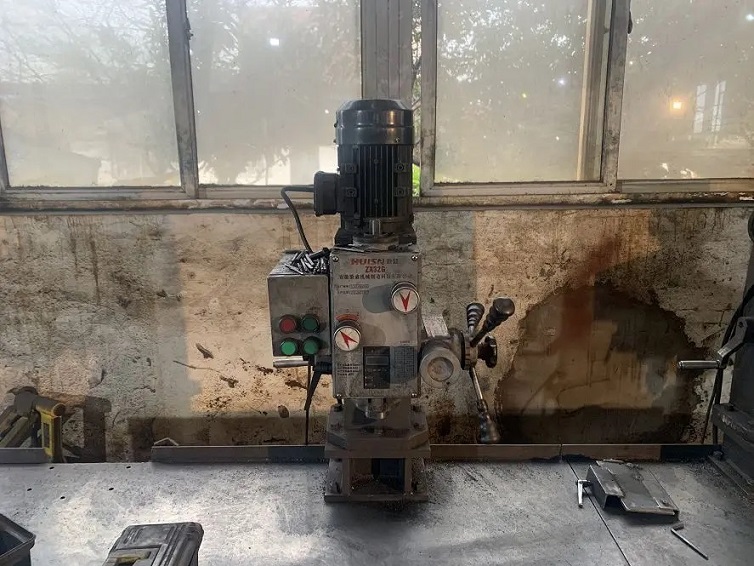
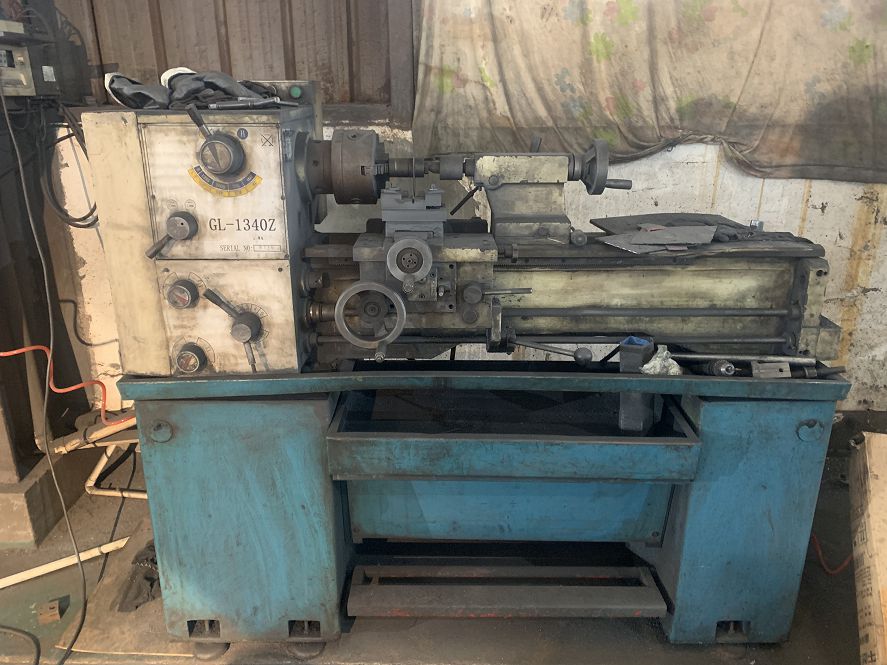
To meet next-generation environmental goals, the industrial HVAC supply chain must focus on three core areas:
Turbulent airflow is the primary source of efficiency loss in standard ventilation. Moving forward, the industry is transitioning away from welded sheet metal housings. Advanced, cold-formed spinning techniques allow for complex contours in fan inlets and venturis. This provides smooth, continuous surfaces that reduce system resistance and fan energy consumption.
Global policies (such as the Kigali Amendment) are driving a transition to eco-friendly, low Global Warming Potential (GWP) refrigerants, including R32, R454B, and natural hydrocarbons like R290. Because these refrigerants run at different pressures and temperatures, they require highly reliable containment systems. Precision tube-end forming and CNC-monitored manifold welding are critical to ensuring hermetic seals that prevent leaks under variable thermal loads.
Eliminating belt-drive systems in favor of direct-drive EC (Electronically Commutated) motors removes mechanical belt slippage and reduces maintenance needs. However, direct-drive configurations subject fans to higher rotational stresses. This requires impellers to be manufactured to precise tolerances (often under 0.05 mm) to avoid vibrations that can damage motor bearings.
Energy-efficient HVAC systems are tailored to meet the specific requirements of various industrial and commercial environments:
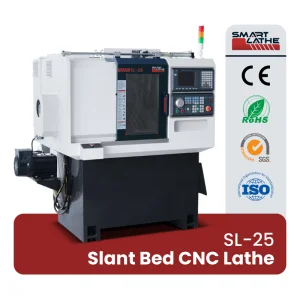
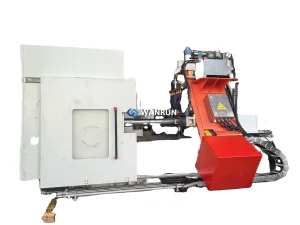
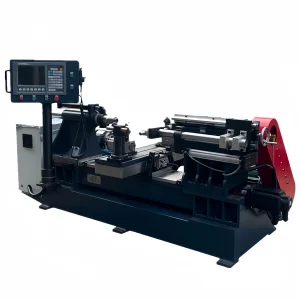
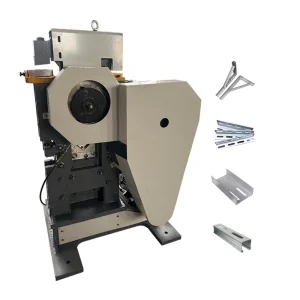
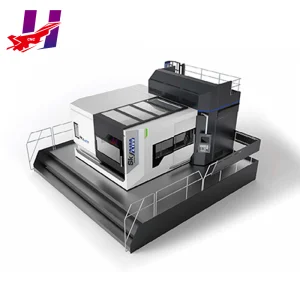
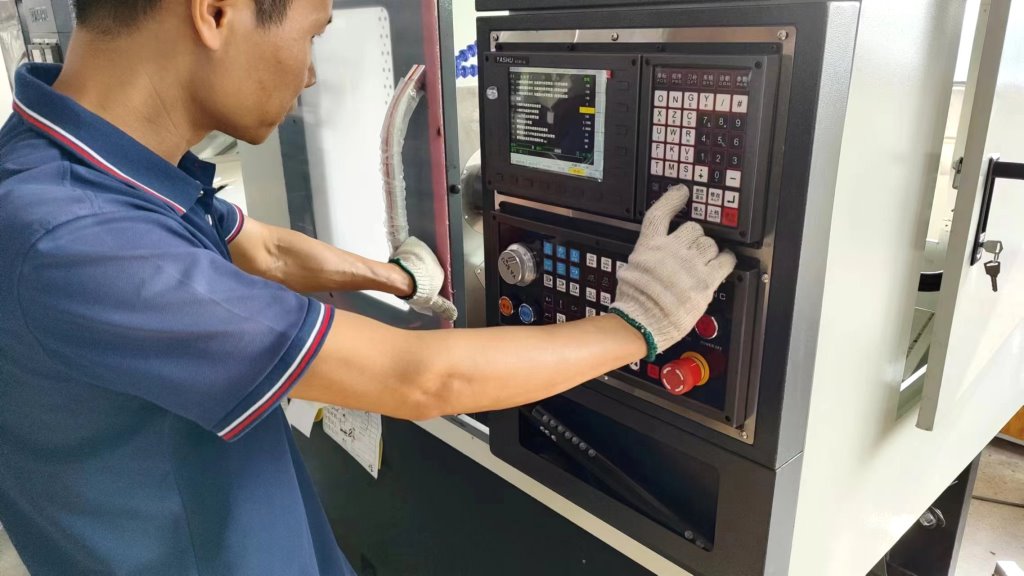
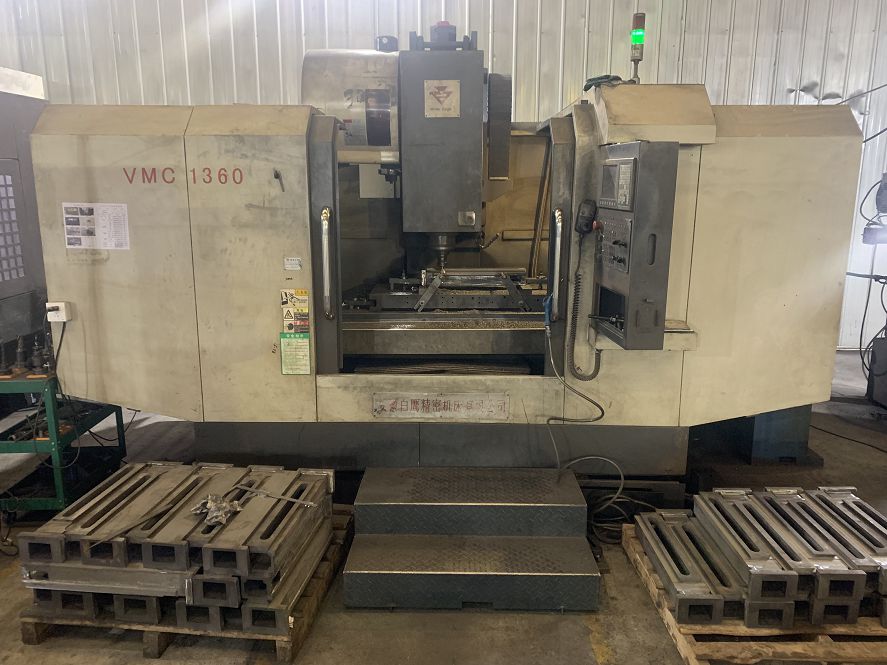
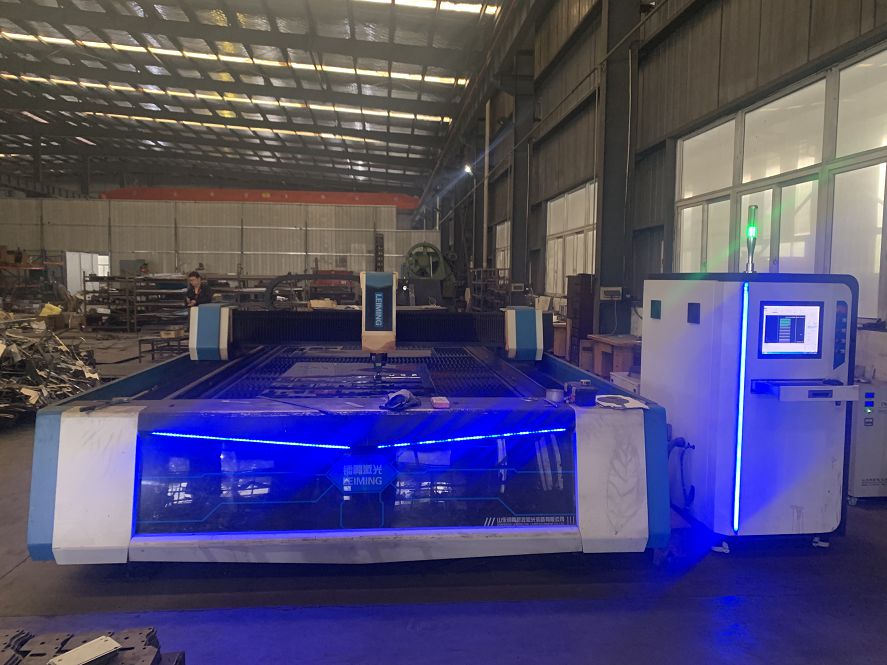
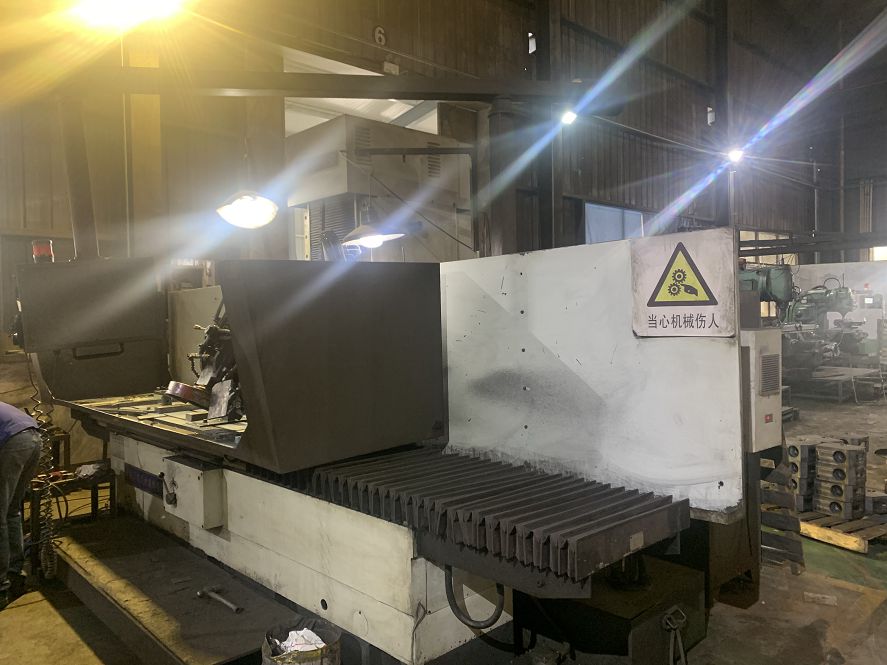
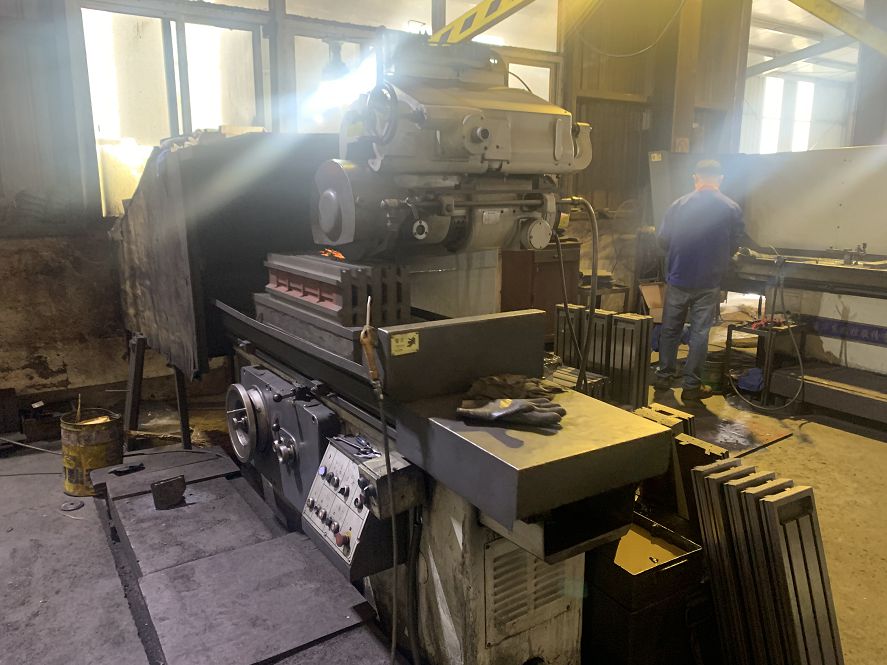
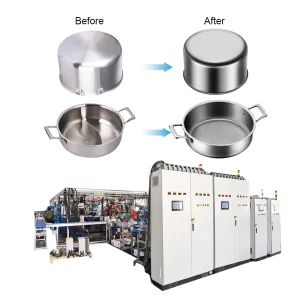
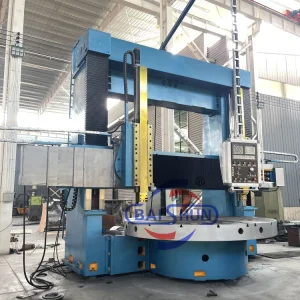
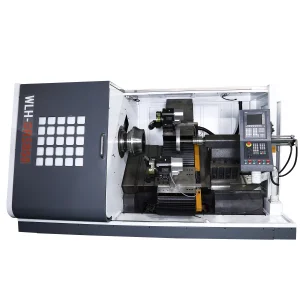
High-precision tube forming, vertical turning, and automatic metal-spinning machinery designed to support the mass production of high-efficiency HVAC components.
 ZRF Spinning