Engineered to satisfy high-efficiency HVAC fabrication requirements, enabling Canberra industrial partners to locally produce custom dynamic components with high structural integrity.
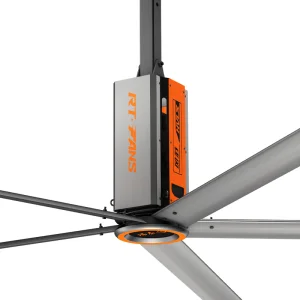
Designed for spacious warehouse ventilation, integrating lightweight aluminum blades and a high-torque gear motor for low-dBA high volume performance.
View Technical Specs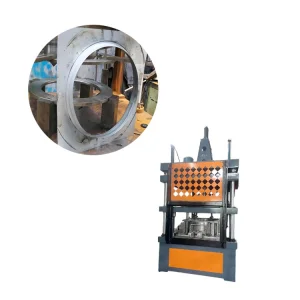
High-precision internal metal spinning system built for uniform structural flanging of multi-zone central air conditioning exhaust housings.
View Technical Specs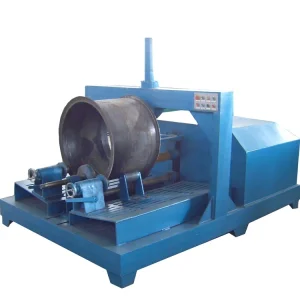
Heavy duty hydraulic configuration facilitating seamless flow forming of circular fan casings, reducing material waste and dynamic vibration.
View Technical Specs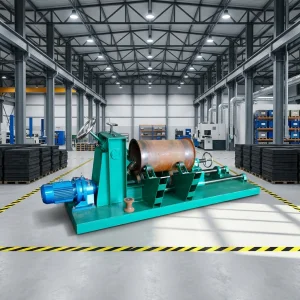
Designed for wind tunnel and large-scale industrial duct processing, maintaining tight tolerances in high-speed exhaust environments.
View Technical SpecsModern commercial infrastructure demands highly specialized ventilation systems that deliver exceptional performance while maintaining noise control and energy efficiency. High-speed HVAC fan housings are core structural components that determine how air behaves under high static pressures. In Canberra, the capital of Australia, public administration offices, institutional research complexes, defense installations, and high-performance data centers rely heavily on localized and efficient climate control systems. Maintaining stability in these operations requires high-precision fan casing manufacturing machinery.
Metal spinning (or flow forming) is the premier manufacturing technique for shaping cylindrical and axisymmetric fan housings. Traditional stamping requires expensive tooling sets and long setup times, whereas CNC metal spinning uses a single mandrel to form complex geometric profiles, such as venture intake cones and flanged fan cowlings. This process reduces initial tooling costs and improves the microstructural density of the final component, offering greater resistance to operational stress and vibration.
Information Gain Concept: Dynamic balancing in high-speed fans is closely linked to housing roundness. A variation of only 0.5% in the roundness of an axial fan duct can cause turbulent airflow, increasing noise by up to 6 dBA and accelerating motor wear. Zhejiang ZRF Spinning Co., Ltd.'s dual-roller synchronized CNC spinning machines control housing diameter tolerances within 0.1 mm, addressing this key operational challenge.
As the ACT government progresses toward its target of Net Zero emissions by 2045, energy efficiency is a key consideration for regional developments. Large-scale public service buildings, the Parliamentary Triangle, and university research facilities at ANU require comprehensive HVAC retrofitting. Modern air handlers must operate at high static pressures and efficiency levels, which in turn demands high-speed, well-balanced impellers and aerodynamic fan housings.
While Canberra is not primarily known for heavy manufacturing, its surrounding industrial estates (such as Fyshwick, Hume, and Mitchell) support specialized HVAC service networks, defense contractors, and custom sheet metal fabricators. High-speed CNC fan housing spinning equipment helps local workshops produce custom replacement parts and bespoke acoustic housings locally. This helps reduce lead times, minimize reliance on overseas shipping for bulky duct parts, and ensure compliance with strict Australian Standards (e.g., AS 4254 for ductwork and AS 1668 for ventilation design).
Engineers face a common trade-off in high-output HVAC design: balancing production speed with dimensional accuracy. Let's compare CNC metal spinning to traditional sheet-metal rolling and welding:
For Australian HVAC suppliers, partnering with Zhejiang ZRF Spinning Co., Ltd. provides access to advanced manufacturing capabilities. ZRF combines direct engineering expertise with cost-effective Chinese production and a reliable industrial supply chain. Our state-of-the-art facilities handle all stages of production, from initial design and CNC path optimization to lathe turning, milling, high-precision grinding, assembly, and testing.
ZRF machinery is built with quality components, using Siemens and Fanuc CNC controllers alongside hydraulic systems from Germany and Japan. This ensures reliable operation and easy integration into local Australian factory lines. By sourcing directly from our factory in Zhejiang, Australian clients can invest in high-efficiency, multi-axis spinning systems at a fraction of the cost of European alternatives, while enjoying local support and custom-tailored tooling solutions.
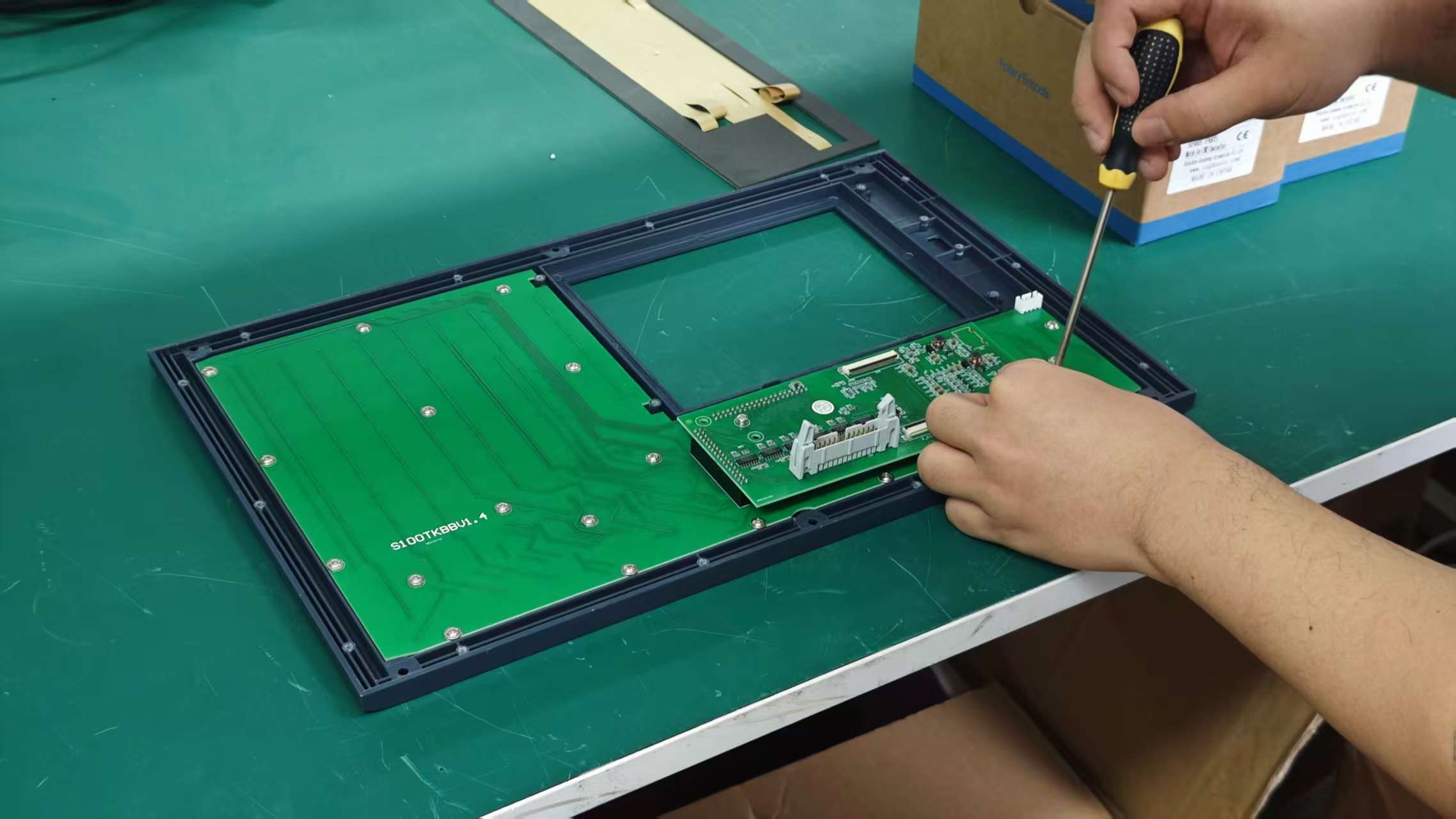
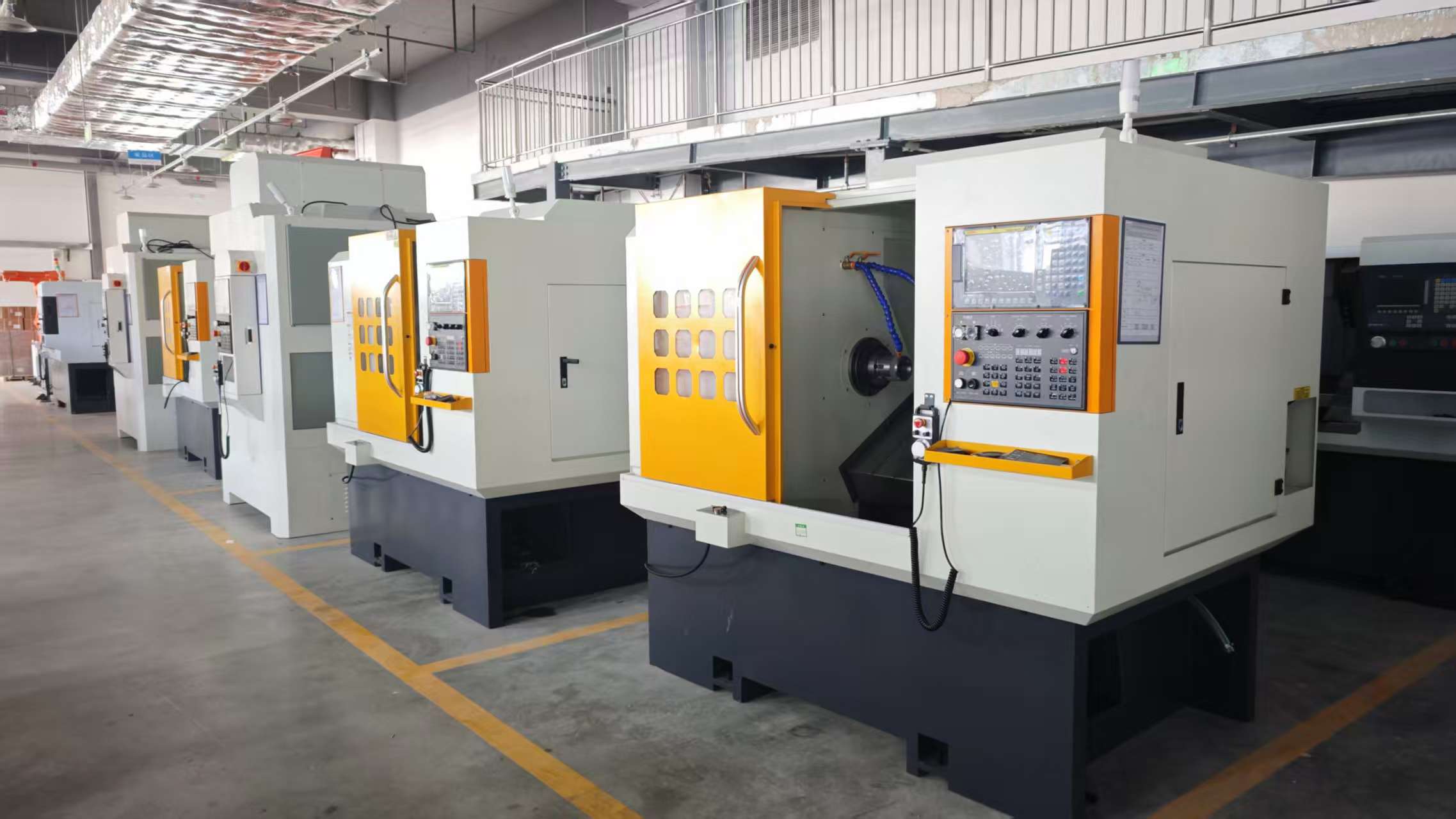
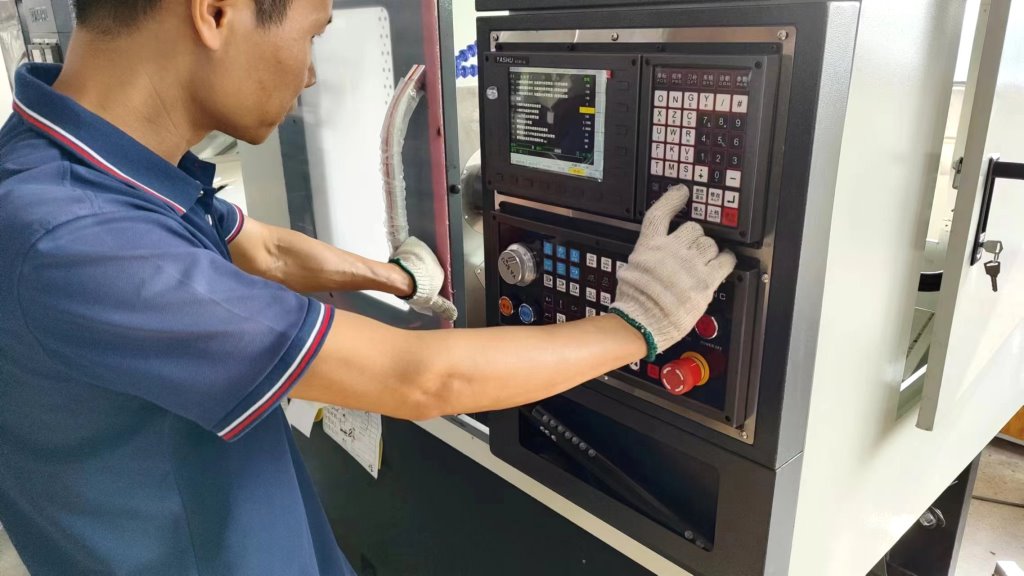
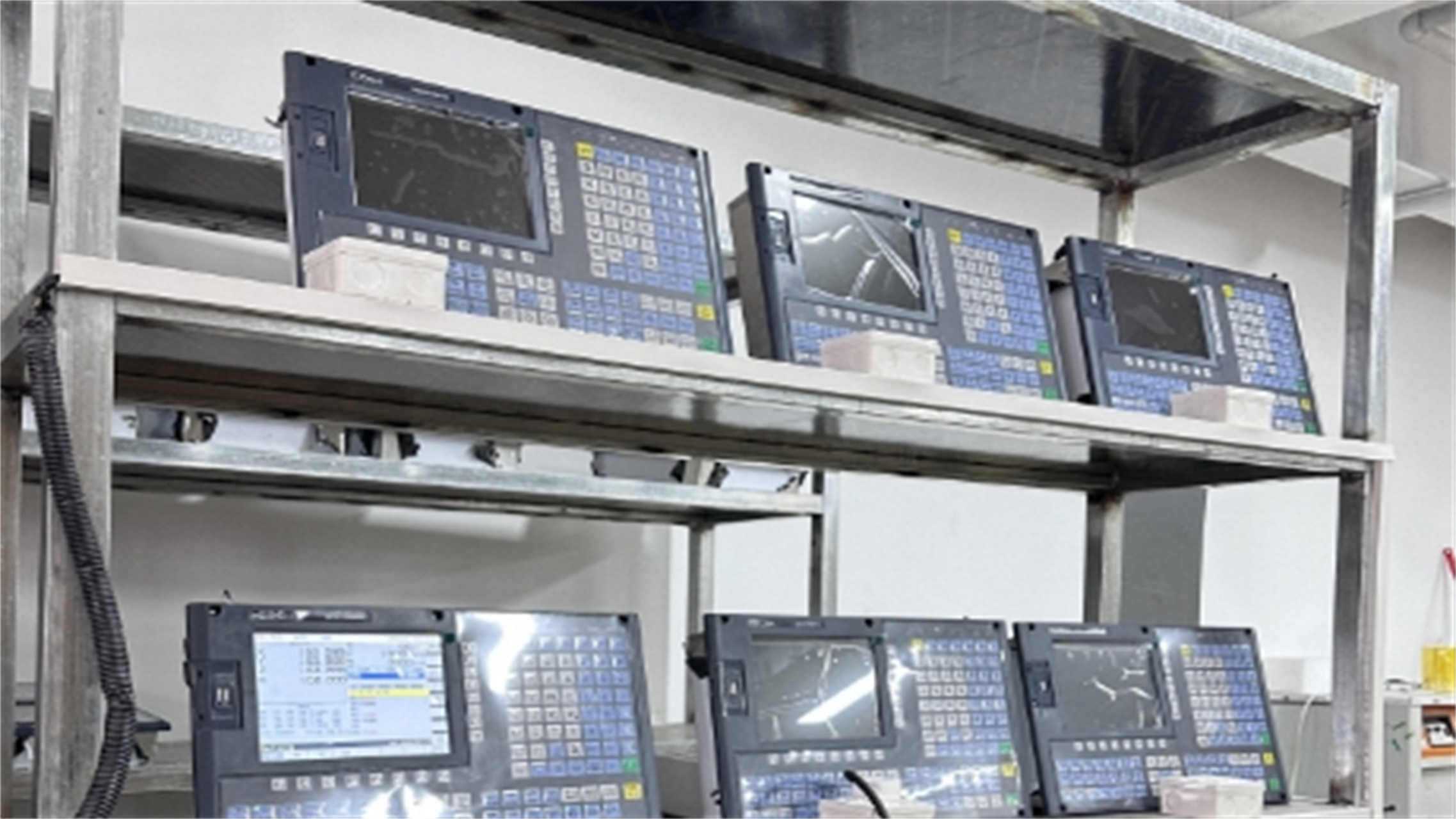
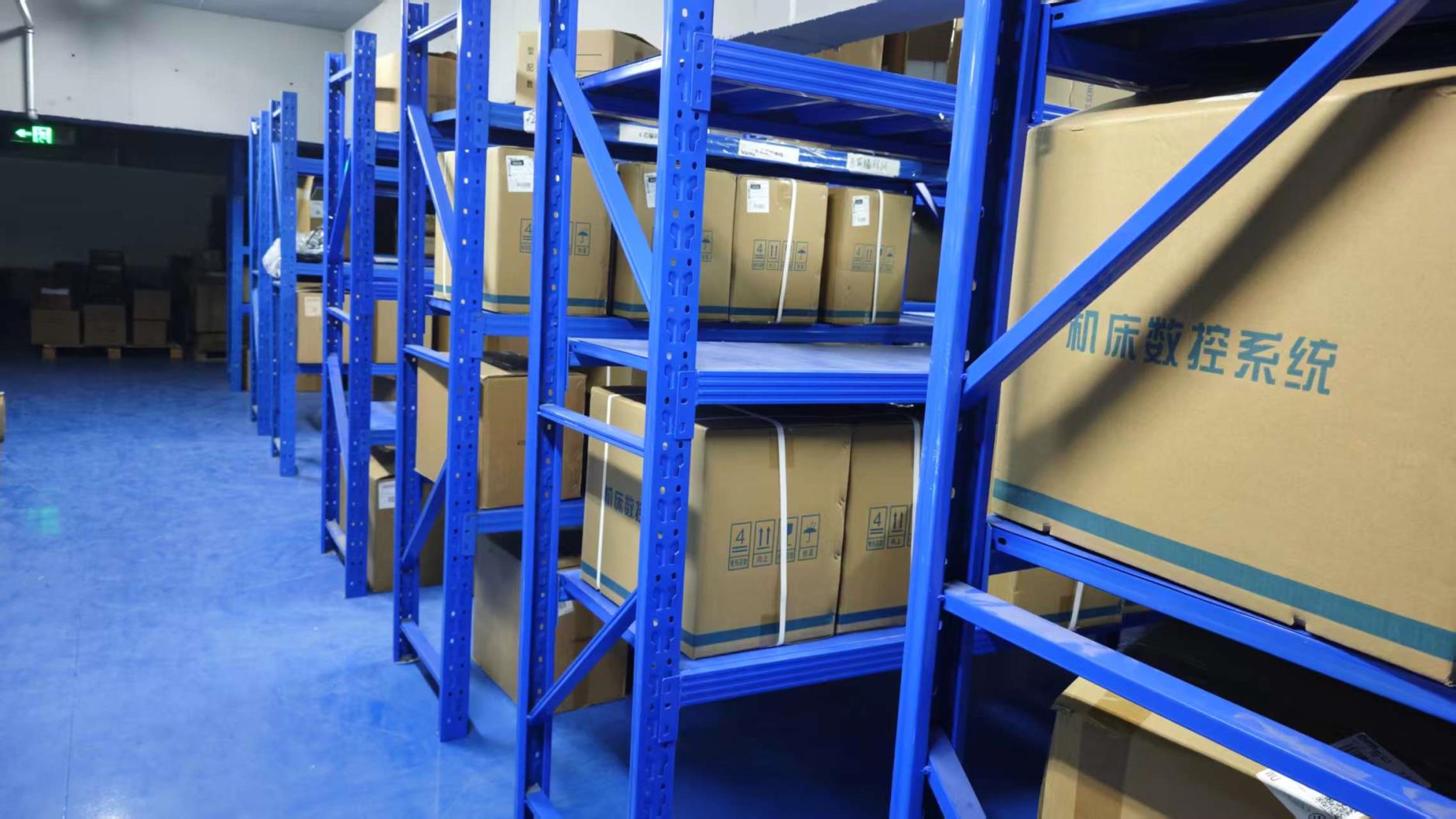
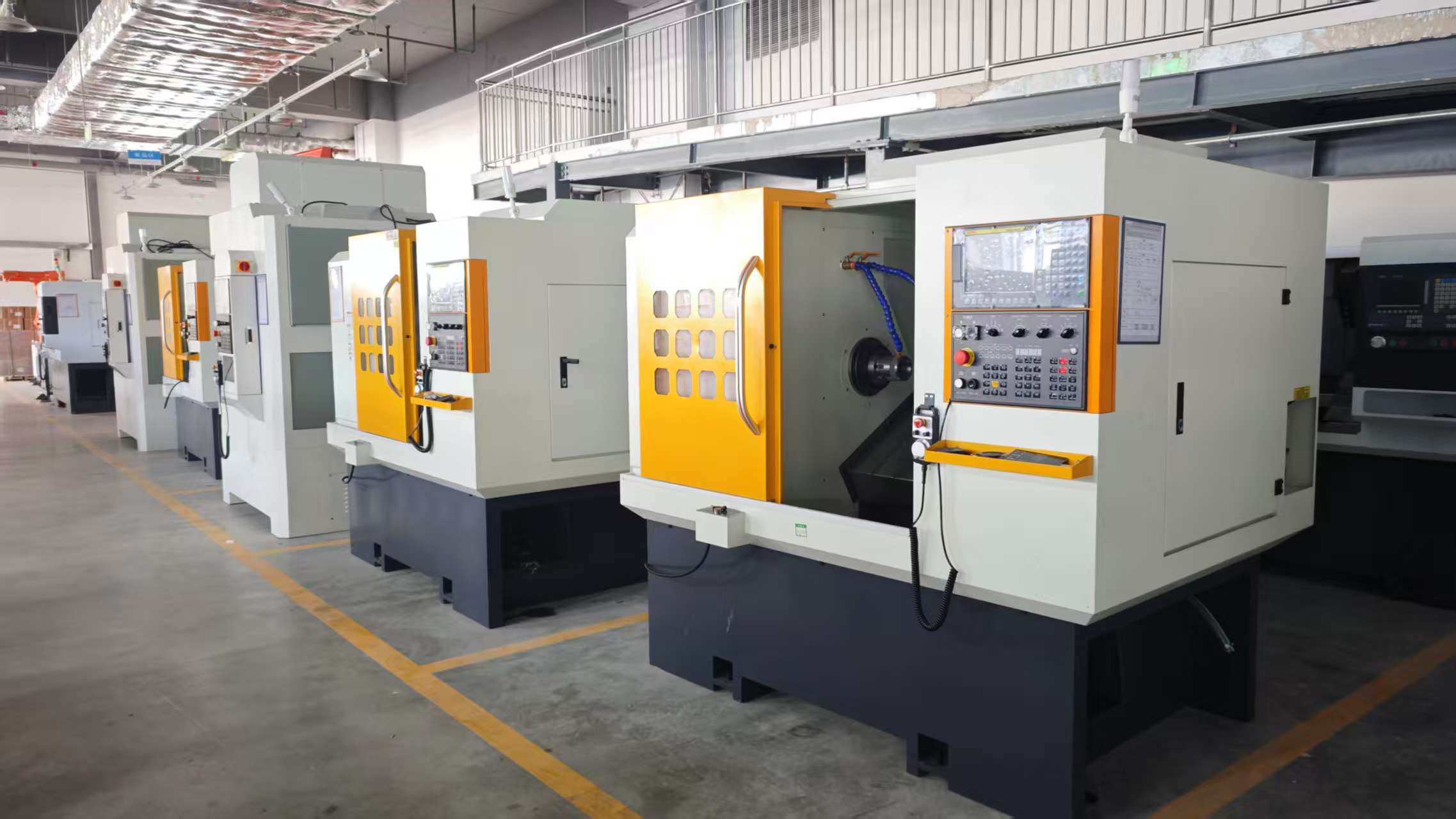
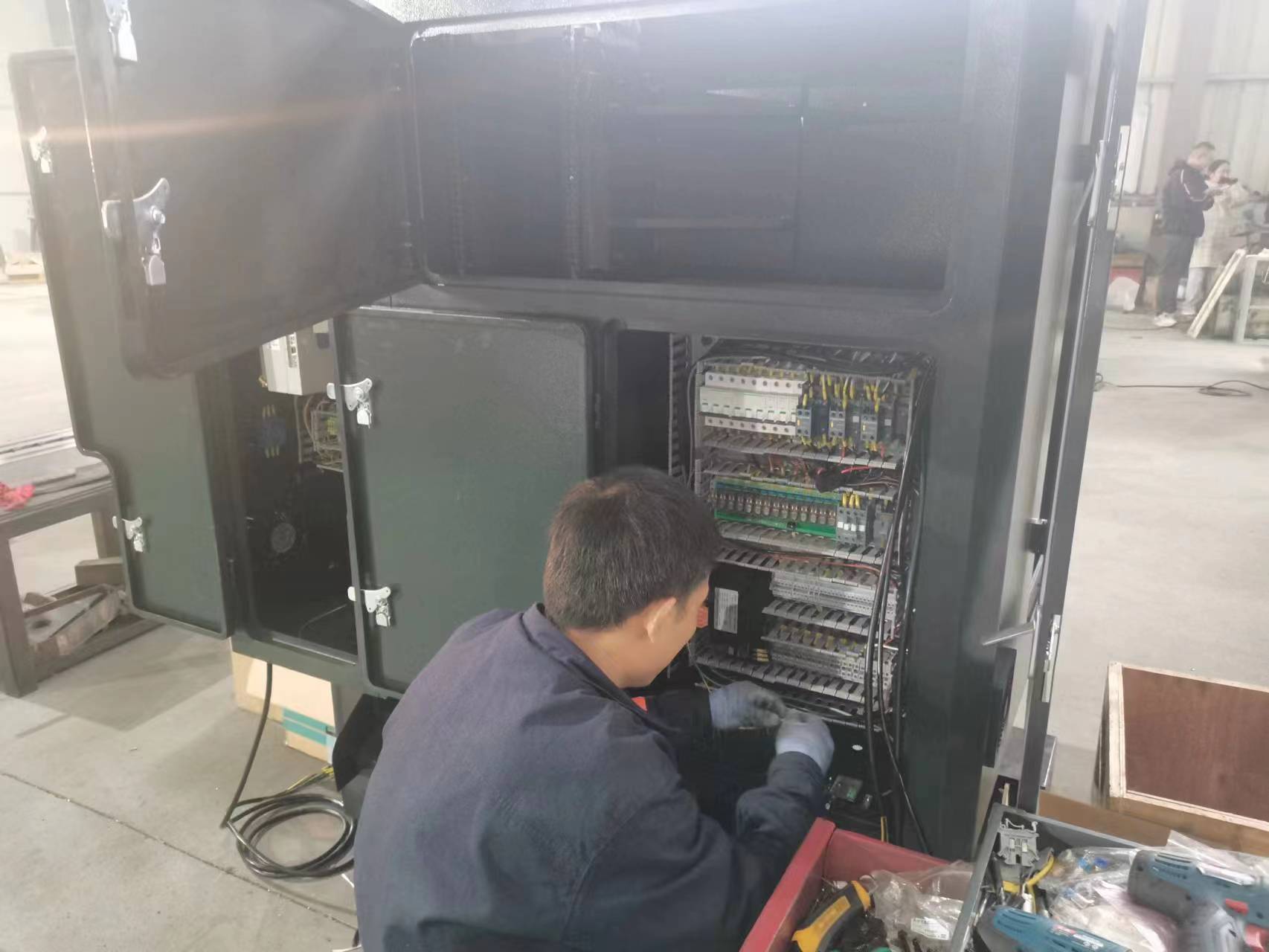
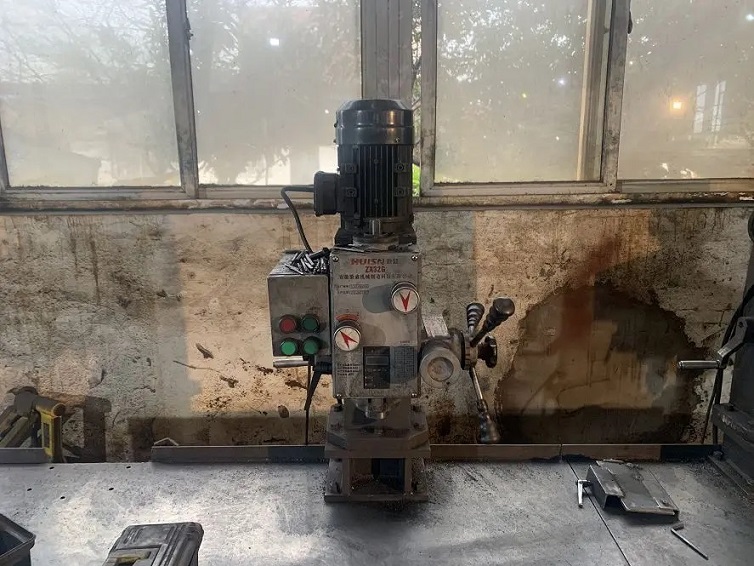
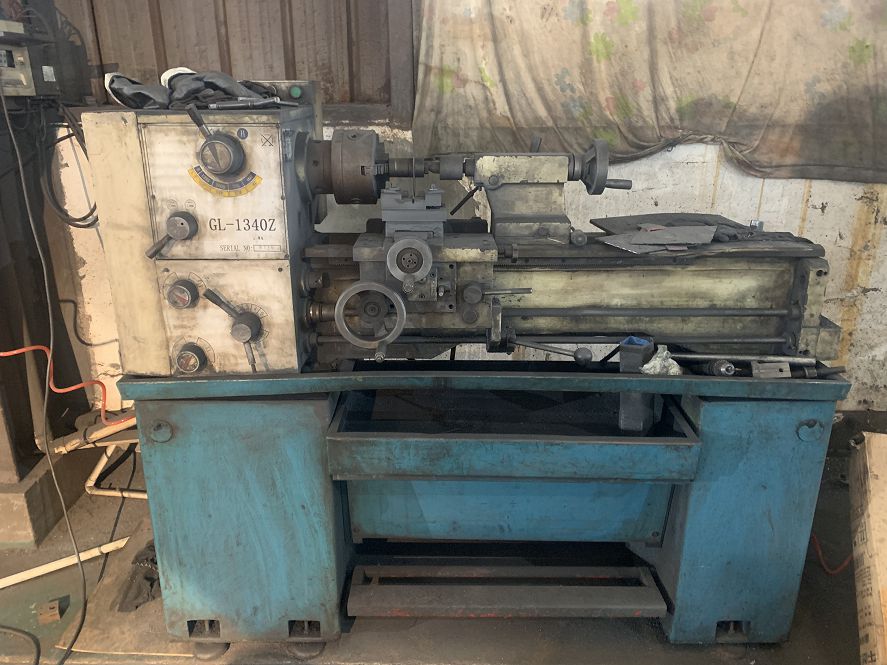
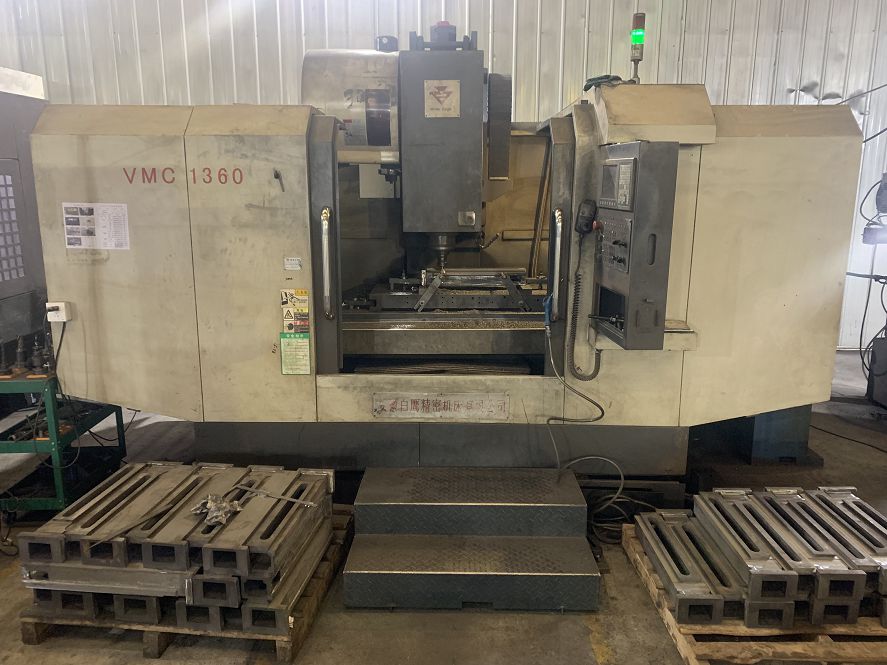
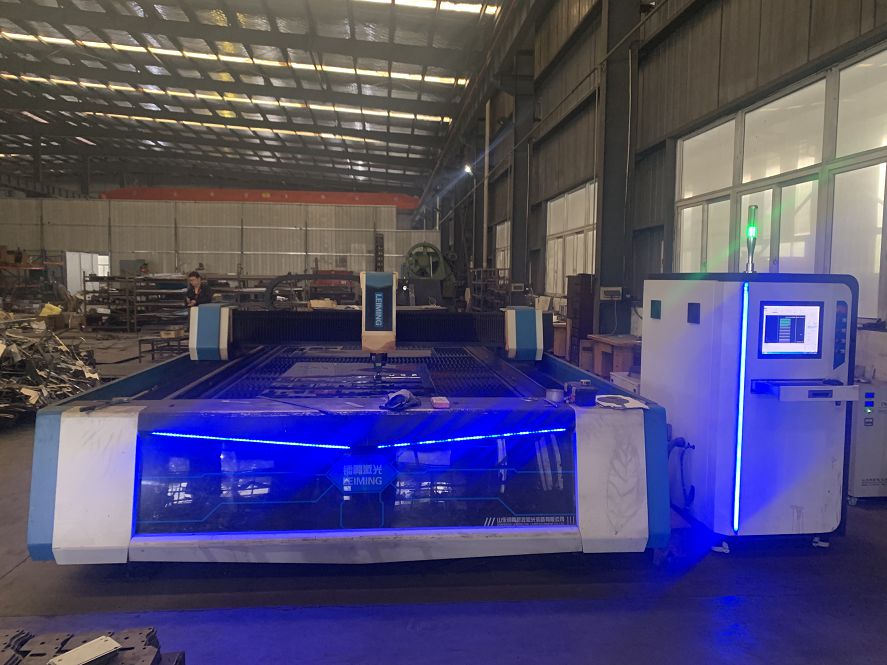
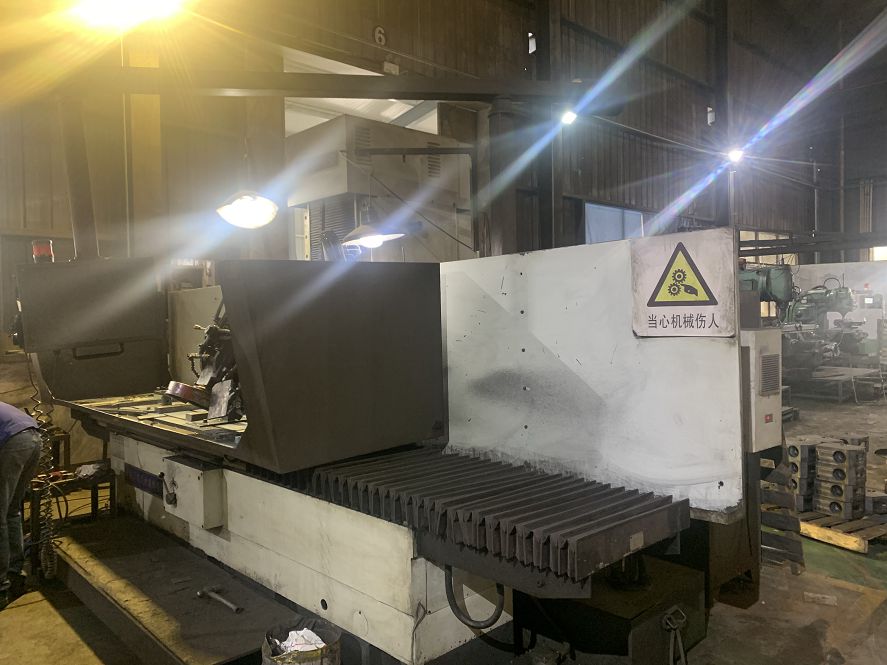
A comprehensive look at our modern manufacturing facility, showing where we design, build, test, and calibrate our CNC spinning machinery before shipping it worldwide.
Ventilation components are subject to distinct requirements across different operating environments:
1. Data Centers and Cloud Environments: Modern computing facilities operate continuous cooling infrastructure. The air distribution units require high-speed centrifugal fans with spun, aerodynamically-optimized inlet cones. These smooth intake pathways help reduce fan energy usage, supporting lower Power Usage Effectiveness (PUE) ratings.
2. Tunnel and Sub-Surface Infrastructure: Tunnel ventilation requires robust, high-volume counter-rotating axial fans. The casings must be spun from heavy-gauge high-tensile steel or stainless steel to withstand constant pressure changes, temperature fluctuations, and corrosive gases.
3. Medical Facilities and Sterile Environments: Operating theatres and cleanrooms rely on precise, continuous air exchange. Fan housings in these environments require smooth, gap-free shapes to prevent particle accumulation. Specially configured flanged connections help secure filter housings and eliminate potential leakage paths.
Connect with our expert engineering team to discuss your project specifications, material requirements, and custom tooling options. We offer end-to-end guidance from CAD drawing to factory commission.
Send Inquiry NowImporting capital machinery into Australia requires compliance with local regulatory and safety standards. Zhejiang ZRF Spinning Co., Ltd. structures its delivery pipelines to ensure straightforward integration for Australian buyers:
Explore our wider range of high-velocity air circulating fans, high-pressure duct systems, and specialized industrial ventilation components designed to meet strict performance and reliability standards.
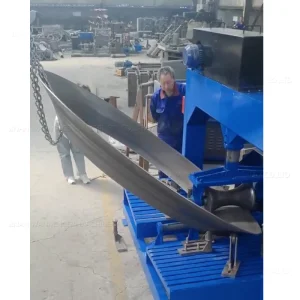
Automated forming machinery configured for precise impeller hemming, ensuring structural alignment and reducing vibration in high-RPM operations.
View Technical Specs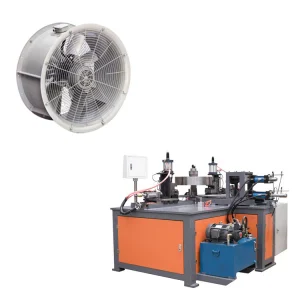
Integrated flanging and forming machine designed to spin TDF flanges directly onto axial fan casings, eliminating the need for welded connection rings.
View Technical Specs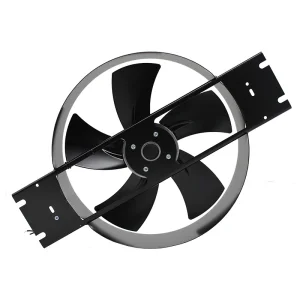
A compact, high-efficiency single-phase exhaust fan built for machinery enclosures and electronics cabinets, providing reliable airflow under continuous duty.
View Technical Specs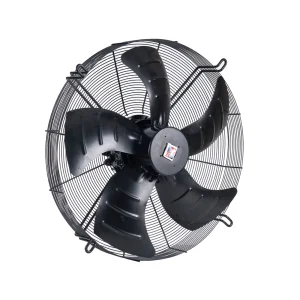
Energy-saving EC motor axial fan featuring variable speed control and high external static pressure, optimized for commercial building ventilation systems.
View Technical Specs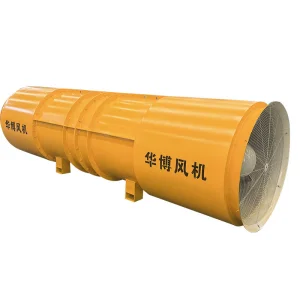
Heavy-duty counter-rotating tunnel fan system featuring variable frequency drive control, designed to meet safety and airflow demands in subterranean transit networks.
View Technical Specs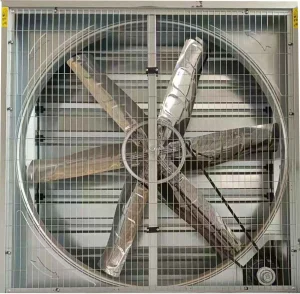
Corrosion-resistant stainless steel box fan with automatic shutters, built for high-performance extraction in agricultural facilities and warehouses.
View Technical Specs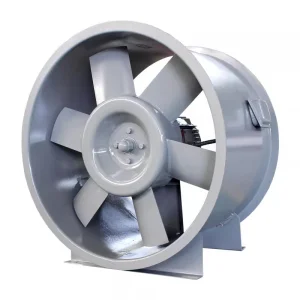
Hybrid mixed-flow fan with stainless steel blades, combining high airflow capacity with quiet operation for commercial building shafts and cold storage.
View Technical Specs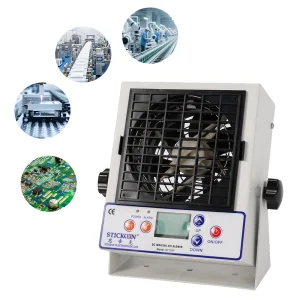
Intelligent ESD workstation fan with integrated sensor feedback, neutralizing static charges in electronics assembly and cleanroom applications.
View Technical Specs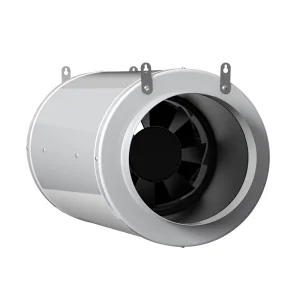
Inline EC duct fan equipped with integrated acoustic silencing foam, designed for noise-sensitive commercial offices and cleanrooms.
View Technical Specs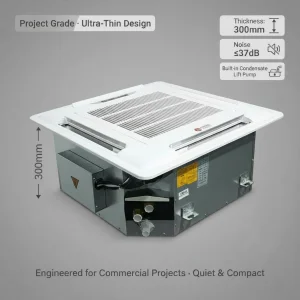
Hydronic fan coil unit featuring a built-in condensate pump and 4-way air distribution pattern, designed for modern hotel and office environments.
View Technical Specs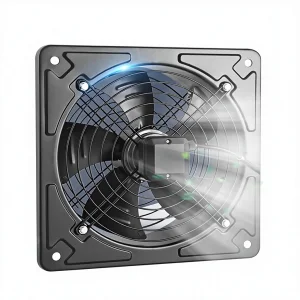
High-speed exhaust blower featuring a robust external rotor motor and steel blades, designed for heavy commercial kitchen hoods and hot warehouses.
View Technical Specs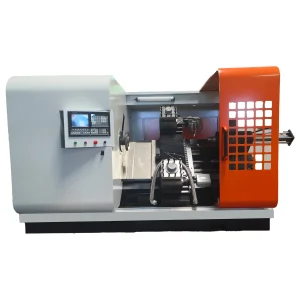
Multi-axis CNC spinning system designed for the production of automotive exhaust catalytic converter housings, ensuring consistent wall thickness.
View Technical SpecsExpert answers addressing sheet metal deformation, flow dynamics, equipment capabilities, and global procurement procedures.
CNC metal spinning requires significantly lower tooling costs, as it shapes metal over a single mandrel rather than a matching male and female die set. It also introduces cold work-hardening, which increases the material's tensile strength and allows for lighter-weight structures. This makes it highly cost-effective for medium to small production batches and custom architectural designs.
Depending on the model configuration, our hydraulic CNC spinning units can work carbon steel up to 8mm thick, stainless steel up to 5mm, and aluminum alloys up to 10mm. This coverage meets the requirements of industrial-grade heavy exhaust housings and high-pressure duct systems.
Housings that are out of round lead to uneven clearances between the impeller tip and the inner casing wall. This gap variation causes air backflow, reducing static pressure efficiency and increasing turbulence. The resulting aerodynamic drag increases energy consumption and noise, while precise tolerances help maintain smooth, efficient airflow.
Yes. Our engineering division works directly from client CAD or 3D files to design and manufacture custom mandrels and rolling tools. We test these on-site at our factory before shipping the complete toolset alongside the CNC spinning machinery.
The standard manufacturing and factory calibration process for a CNC metal spinning machine is 45 to 60 days. Ocean shipping from Ningbo or Shanghai port to Sydney or Melbourne takes approximately 18 to 25 days, followed by domestic road transport to Canberra industrial zones like Hume or Fyshwick.
We provide remote video installation support, detailed programming documentation, and pre-configured G-code templates. For complex setups, we can deploy factory engineers to assist with physical installation, wiring verification, and operator training directly at your facility.
 ZRF Spinning