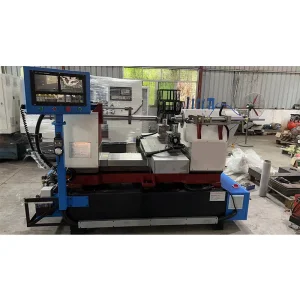
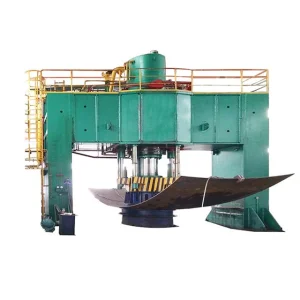
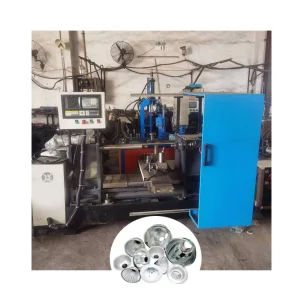
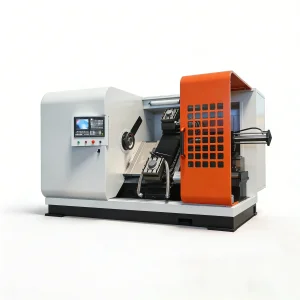
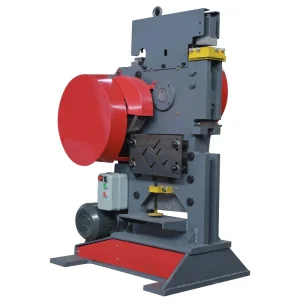
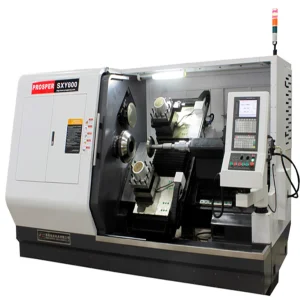
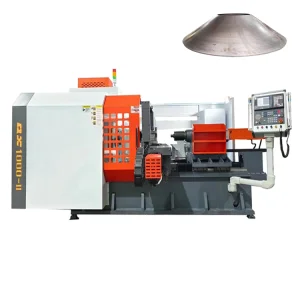
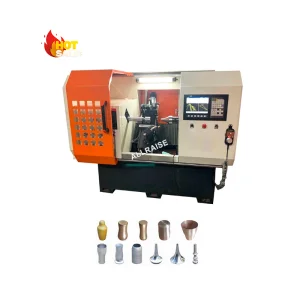
Engineered for high accuracy and optimized yield, directly matching the industrial standards of Portuguese fabricators.
Portugal’s metalworking sector—known locally as Metalomecânica—has evolved into one of the country's most vital export engines. Driven by regions like Porto, Aveiro, Braga, and Setúbal, Portugal has transitioned from traditional light manufacturing to highly specialized component supply chains for automotive giants, HVAC system providers, wind energy networks, and aerospace companies. Key players require advanced machinery that guarantees extreme repeatability, low material waste, and minimized energy consumption. The demand for CNC Metal Splitting, Shearing, and Spinning Machines is skyrocketing as shops replace older mechanical tooling with digital-first solutions.
Information Gain: While standard hydraulic press setups consume up to 40% more raw material through punching waste, modern CNC spinning systems deform and stretch raw sheet metal directly over templates. In Portuguese factories, where high energy costs and global metal prices challenge profit margins, this metal-forming strategy offers substantial financial relief and complies with strict EU green manufacturing regulations.
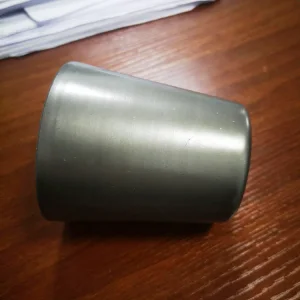
In traditional metal forming, a sheet of metal is stamped out using deep draw tooling, leading to high tooling costs and significant scrap margins. CNC spinning works by rotating a circular metal blank at high speeds while computer-controlled rollers apply localized pressure to flow the material over a mandrel. This process is ideally suited for circular and symmetrical shapes such as light fixtures, tank heads, pressure vessel caps, and kitchen utensils. In Northern Portugal’s industrial heartland, our clients utilize this technology to fabricate high-tolerance components without having to invest thousands of Euros in customized injection molds or casting operations.
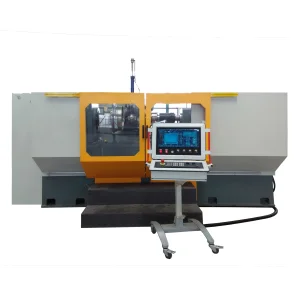
Globally, metal fabricators are shifting away from manual lathe operations. Safety regulations, lack of skilled manual labor, and the demand for higher tolerances have driven the adoption of automated dual-wheel CNC spinning lathes. Modern buyers assess multi-axis CNC systems on several critical metrics: spindle speed control stability, dynamic tracking force of the rollers, and the machine's ability to integrate with CAD/CAM post-processing software. Our CNC machinery portfolio uses advanced controls allowing operators to import DXF files directly, drastically reducing setup times from hours to mere minutes.
As a leading Chinese designer and manufacturer, Zhejiang ZRF Spinning Co., Ltd. exemplifies the "China Factory 4.0" paradigm. While European machine builders face long delivery lead times and rigid customization options, ZRF integrates a completely vertical manufacturing system. From high-grade structural castings and precise guideway grinding to complex CNC software programming, we control the entire lifecycle of our machinery. This integration ensures that our Portuguese partners receive industrial equipment that combines cost competitiveness with high structural reliability.
Our bases undergo strict thermal aging treatments to relieve internal stresses, guaranteeing long-term mechanical stability, vibration dampening, and high accuracy during rapid sheet deformation.
Equipped with high-efficiency Siemens motors and energy-saving hydraulic units, our equipment minimizes operating costs under the EU's strict energy pricing structure.
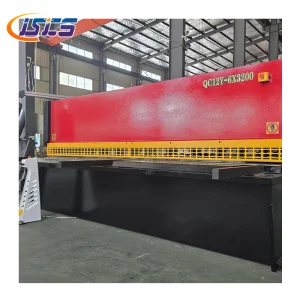
Zhejiang ZRF Spinning Co., Ltd. strictly executes its manufacturing processes in alignment with the ISO9001 quality management framework. To ensure transparency and display our manufacturing capability, we share real-time insights from our factory floor below:
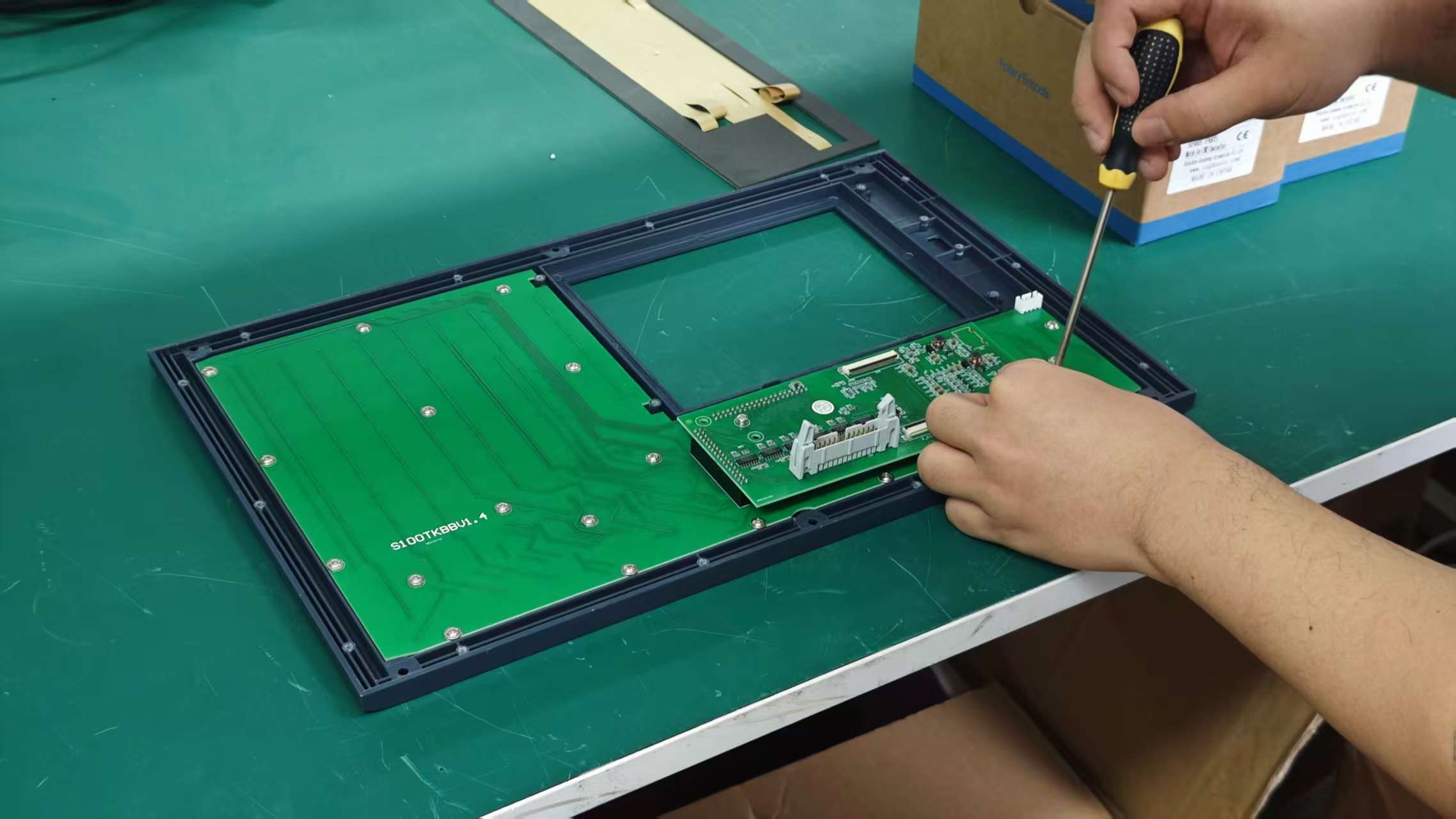
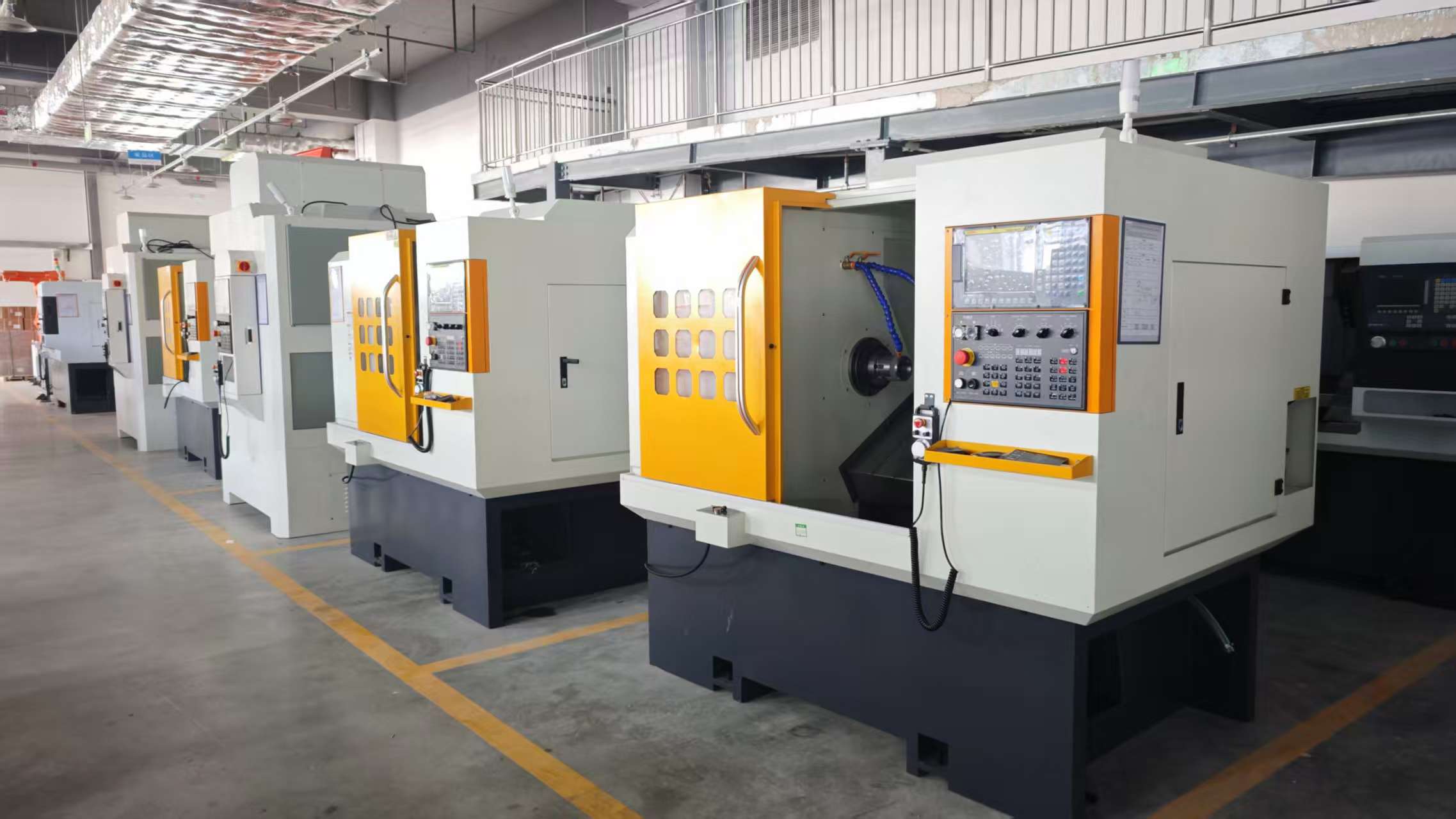
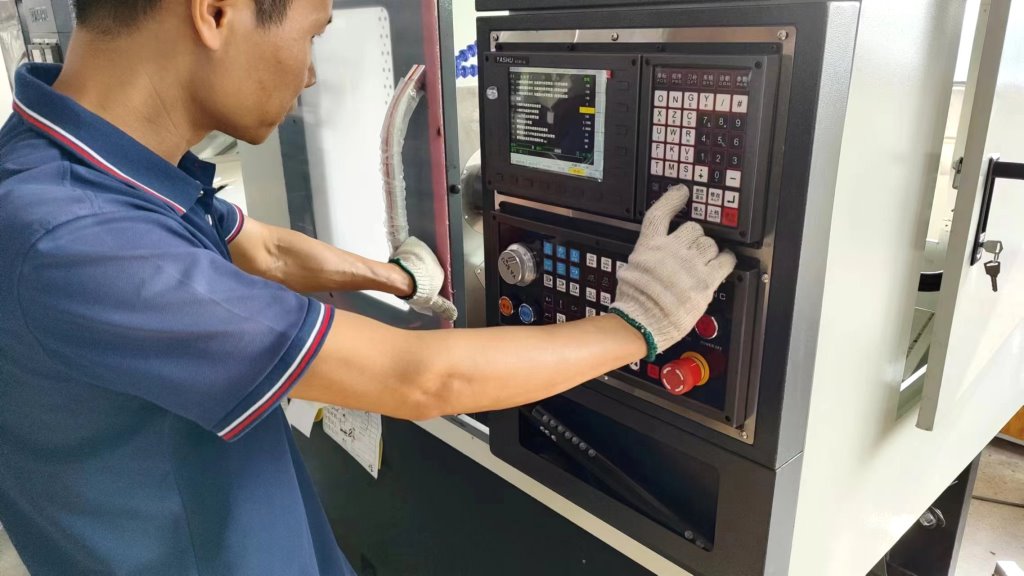
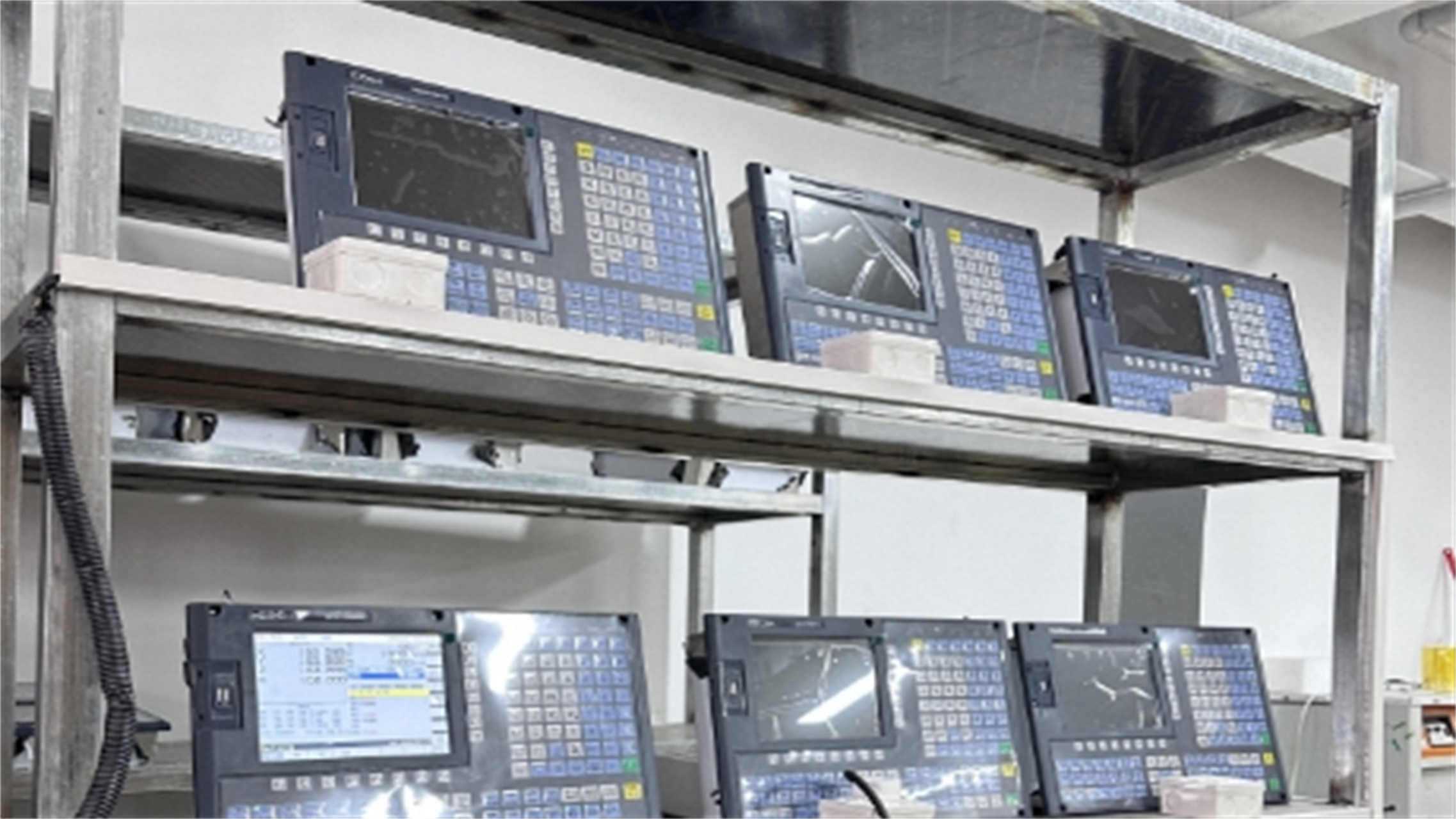
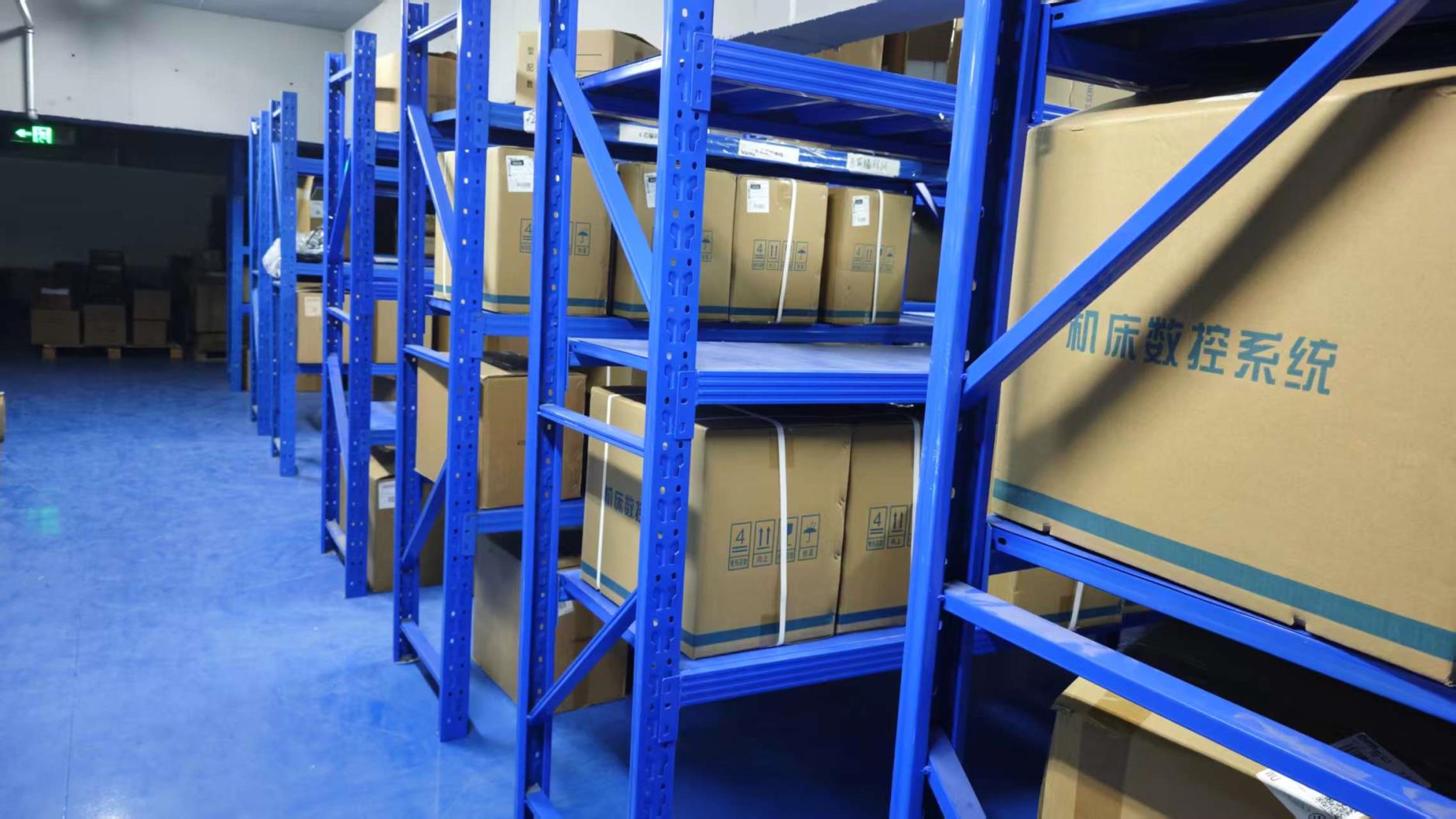
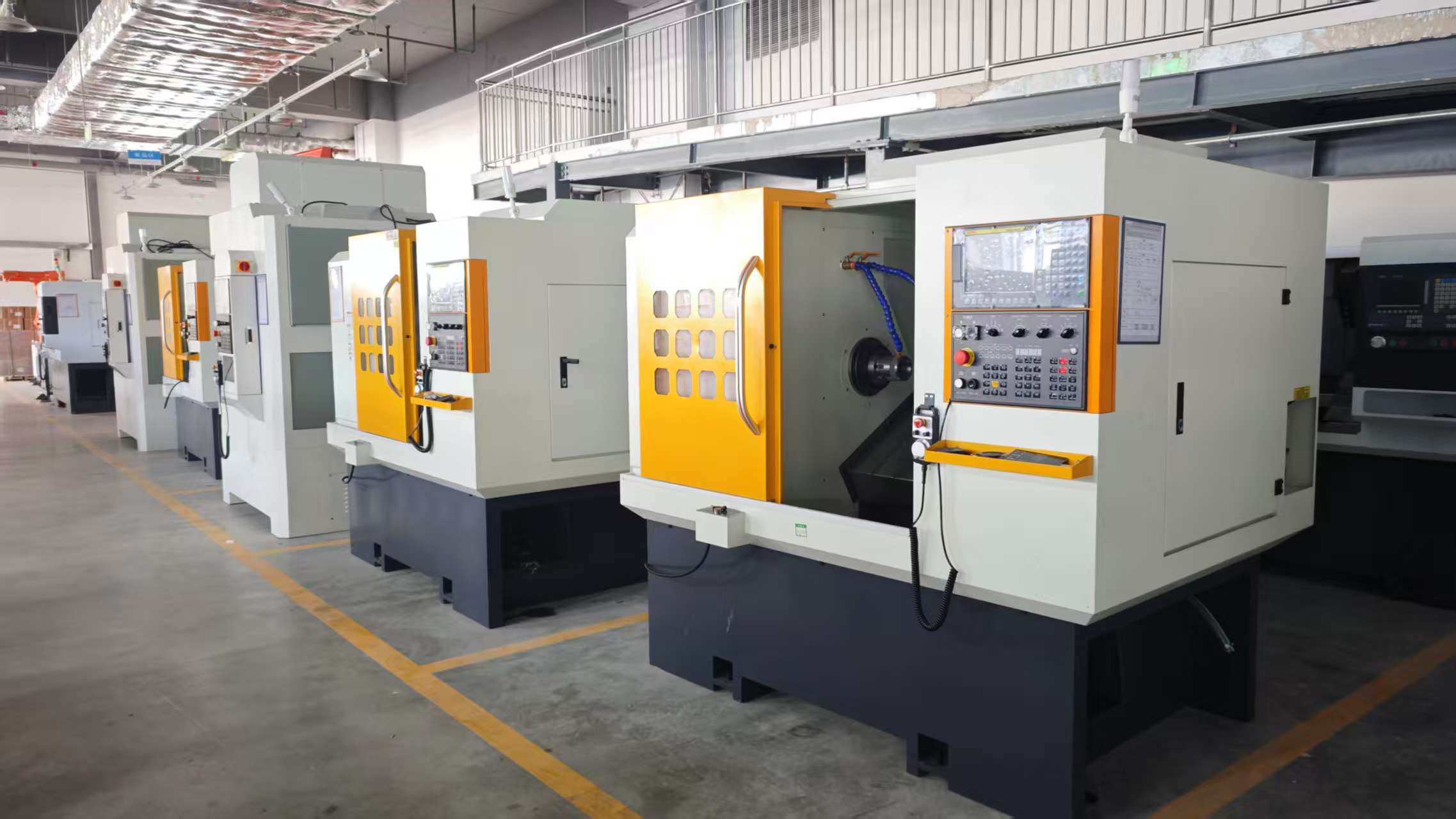
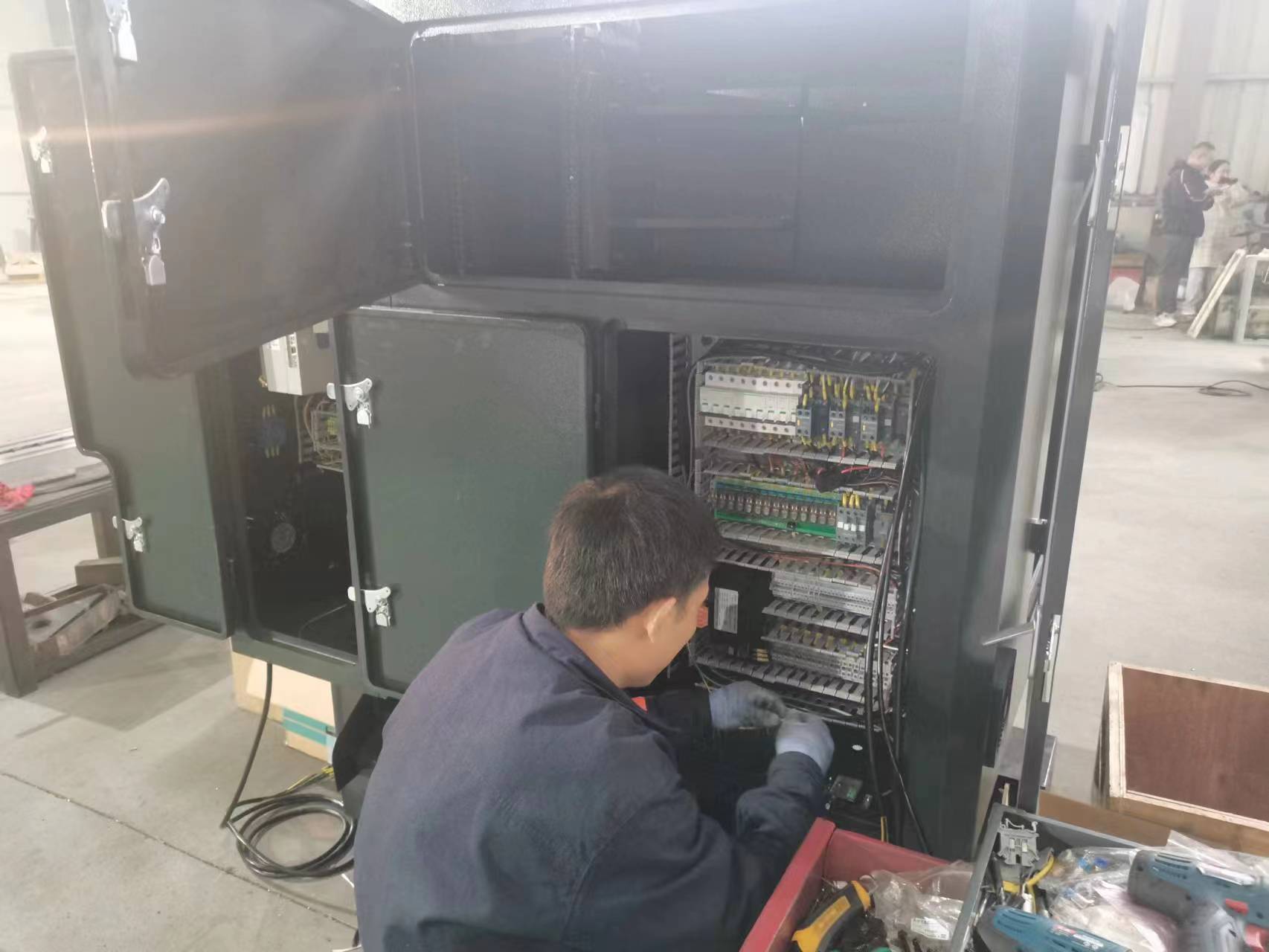
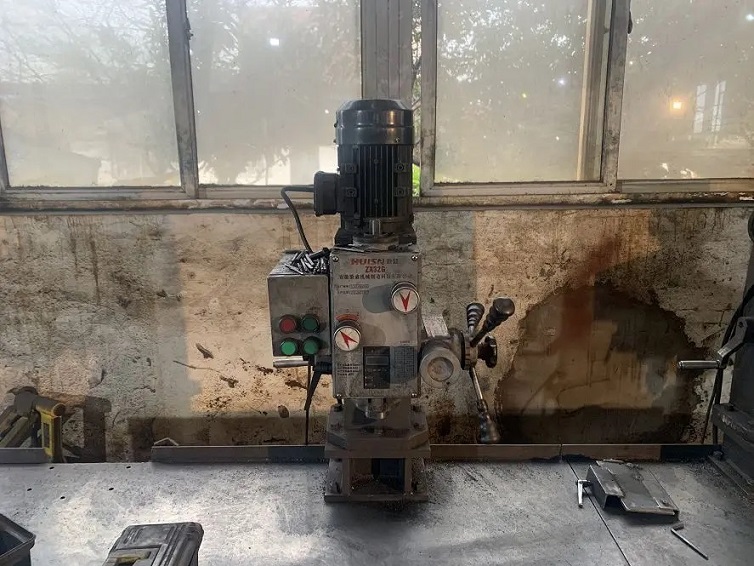
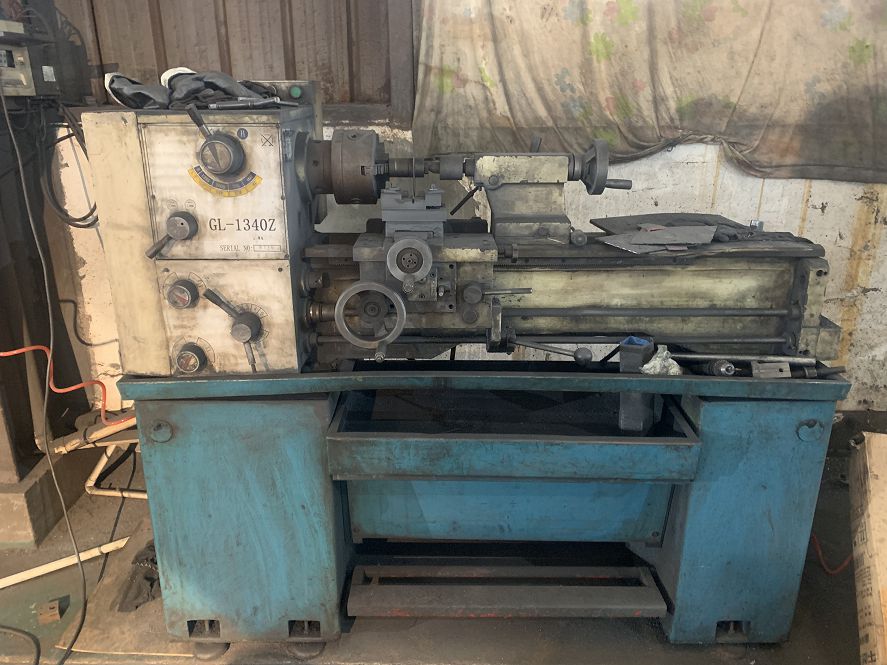
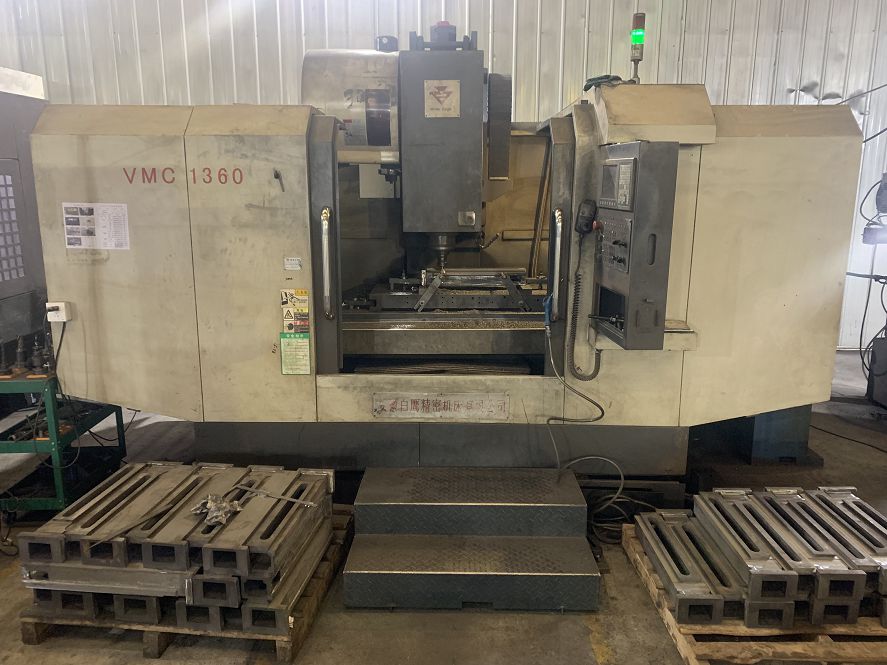
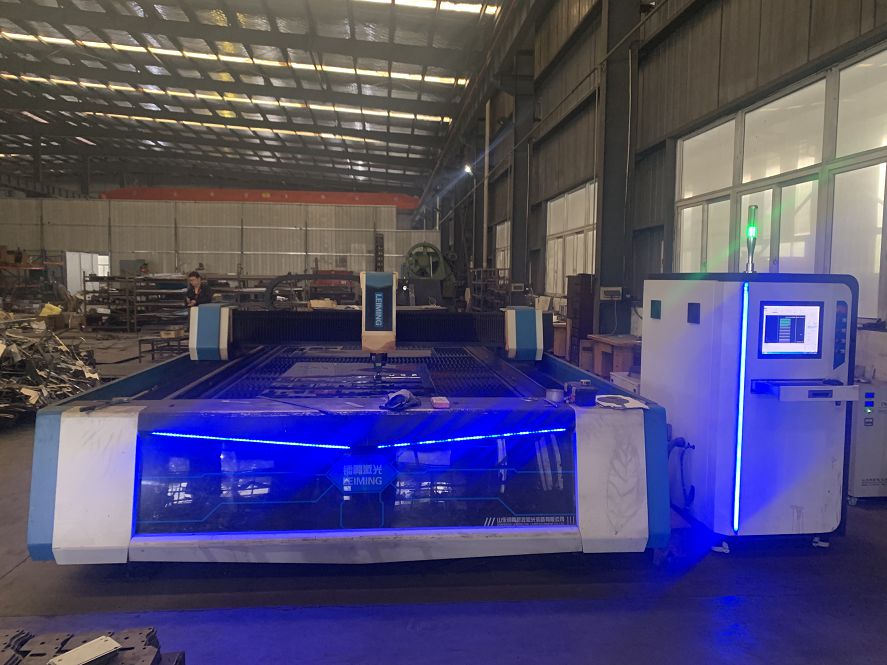
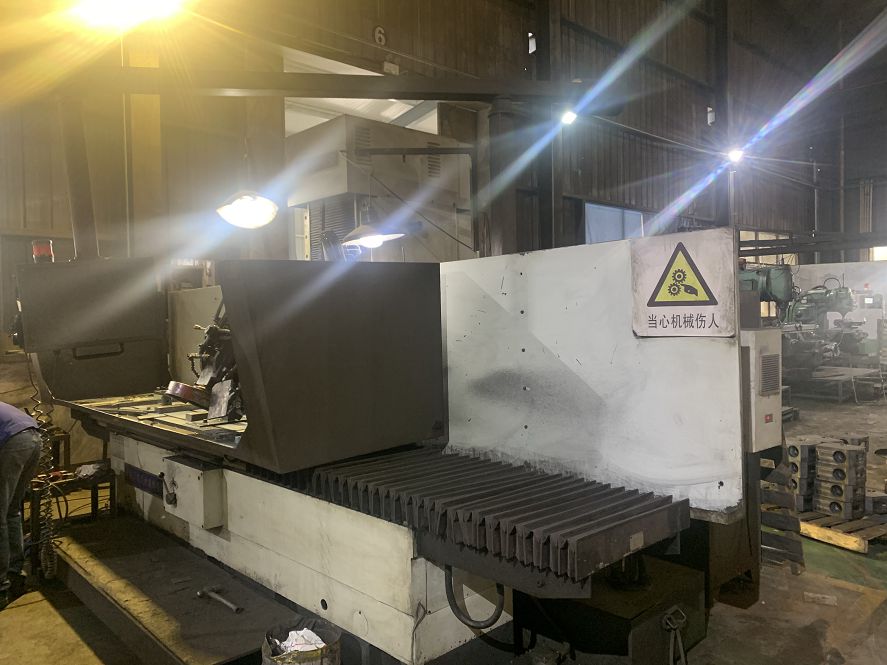
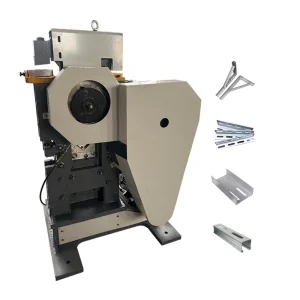
Explore our highly reliable metalworking solutions built to handle hard alloys, stainless steels, and complex geometries.
Metal forming demands change significantly depending on the target application. Below are three key scenarios showing where ZRF's high-rigidity CNC spinning machines are deployed to optimize local production:
Aveiro has a rich history of kitchenware manufacturing. Traditional stamping of aluminum or stainless steel requires multiple process stages, heat treatments, and trim dies. By implementing our CNC Metal Spinning Machine for Cookware, a factory can execute drawing, necking, and edge curling in a single continuous cycle. This dynamic control over wall thickness saves up to 15% material per piece and yields polished surfaces that drastically reduce final finishing time.
HVAC components like impellers, collection cones, and duct connectors demand concentricity to prevent vibrational noise at high airflow speeds. The CNC Spinning & Flanging Machine is ideal for executing precise, heavy-duty sheet flanging on large-diameter steel tubing. Our automatic toolpath control ensures that the flange angle and diameter are consistent, facilitating straightforward assembly in construction projects throughout Iberia.
For custom aerospace applications, components are formed from advanced alloys like Titanium or Nickel. These metals have narrow forming limits. The precise temperature management, coupled with our double-wheel hydraulic servo control systems, allows for shear forming with controlled thinning ratios. This approach achieves the structural integrity required to meet strict aviation specifications.
Get professional, engineering-level answers regarding CNC metal spinning, splitting, and shearing setups.
Get in touch with our engineering team for custom drawings, technical specifications, and factory-direct pricing for the Portugal market.
 ZRF Spinning