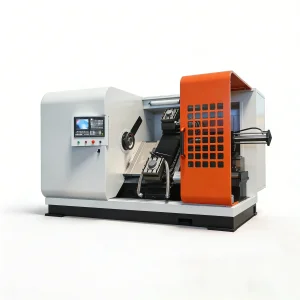
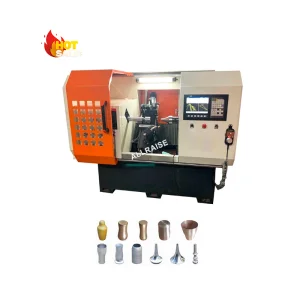
High-performance CNC spinning and flanging solutions engineered for high productivity, automotive manufacturing, and HVAC applications across Central Europe.
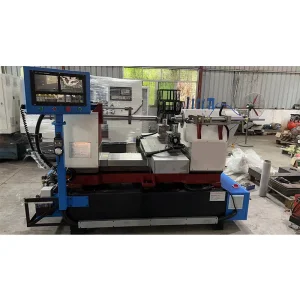
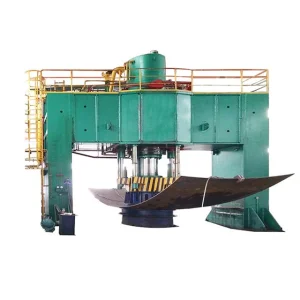
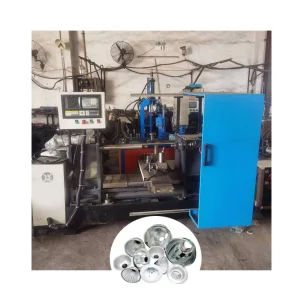
Hungary has positioned itself as the high-tech manufacturing heartland of Central and Eastern Europe. Driven by substantial foreign direct investment and a strategic geographic location within the European Union, the country hosts major production operations for international automotive OEMs (such as Audi in Győr, Mercedes-Benz in Kecskemét, and the BMW plant in Debrecen), Tier-1 components suppliers, and large-scale industrial HVAC manufacturers. This robust industrial ecosystem demands advanced sheet metal processing and manufacturing equipment that conforms to high standards of quality, energy efficiency, and automation.
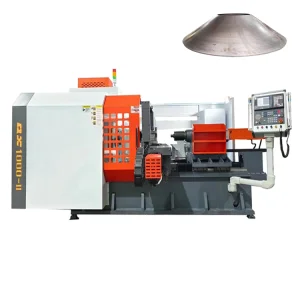
For modern metal fabrication plants in regions like Budapest, Miskolc, and Debrecen, traditional manual metal spinning is rapidly being phased out in favor of multi-axis CNC metal spinning, splitting, and shearing setups. These production technologies allow manufacturers to handle complex symmetrical geometries—such as transmission parts, pulley wheels, exhaust cones, lighting fixtures, and fan impellers—with high dimensional stability, minimal material waste, and rapid processing cycles.
Meeting VDA 6.3 and ISO/TS 16949 requirements by delivering high repeatability for transmission housings, wheel rims, and engine components.
Custom setups for forming high-efficiency fan inlets, heavy-gauge ventilation tubes, and structural silencers widely used in European infrastructure projects.
Fully compliant with CE Machinery Directive 2006/42/EC, low voltage standards, and integrated with safety light curtains and soundproof cabins.
An engineering deep dive into modern cold-forming dynamics and material displacement mechanisms.
CNC metal splitting involves localizing mechanical force to split a solid metal disc or tube profile into multi-layer walls, often utilized in pulley manufacturing and multi-grooved belt drive components without welding. This process optimizes material distribution by moving metal from the core out to the flange area, doubling tensile strength in highly stressed zones through work hardening.
In contrast, shear spinning (flow forming) forces the metal blank to conform to a rotating mandrel. The roller template deforms the material, reducing the wall thickness of the blank along its axial length while maintaining the original outer diameter of the starting blank. For Hungarian manufacturers specializing in stainless steel exhaust silencers or aluminum containers, this ensures highly consistent material thickness and a mirror-like interior finish.
Modern CNC metal spinning machines utilize multi-axis configurations (typically X, Z, and auxiliary axes for centering and cutting attachments) driven by high-torque Siemens or Fanuc CNC controllers. These systems allow real-time teaching, CAD/CAM file import, and precision displacement monitoring down to ≤ 0.01mm. The integration of dual-wheel synchronized forming reduces radial force on the spindle, eliminating deflection and extending tool life when processing high-strength alloys.
The process of metal deformation relies heavily on the mechanical properties of the starting sheet. Materials commonly processed include:
| Machine Type | Max Blank Diameter (mm) | Material Capacity (SS/Alum) | Spindle Speed Range (RPM) | CNC Control Unit | Primary Industrial Use Case |
|---|---|---|---|---|---|
| Double-Sided Spinning Machine | 800 - 1500 mm | 4.0 mm / 8.0 mm | 0 - 2000 RPM | Siemens / Custom CNC | Automotive pulleys, commercial fan rings |
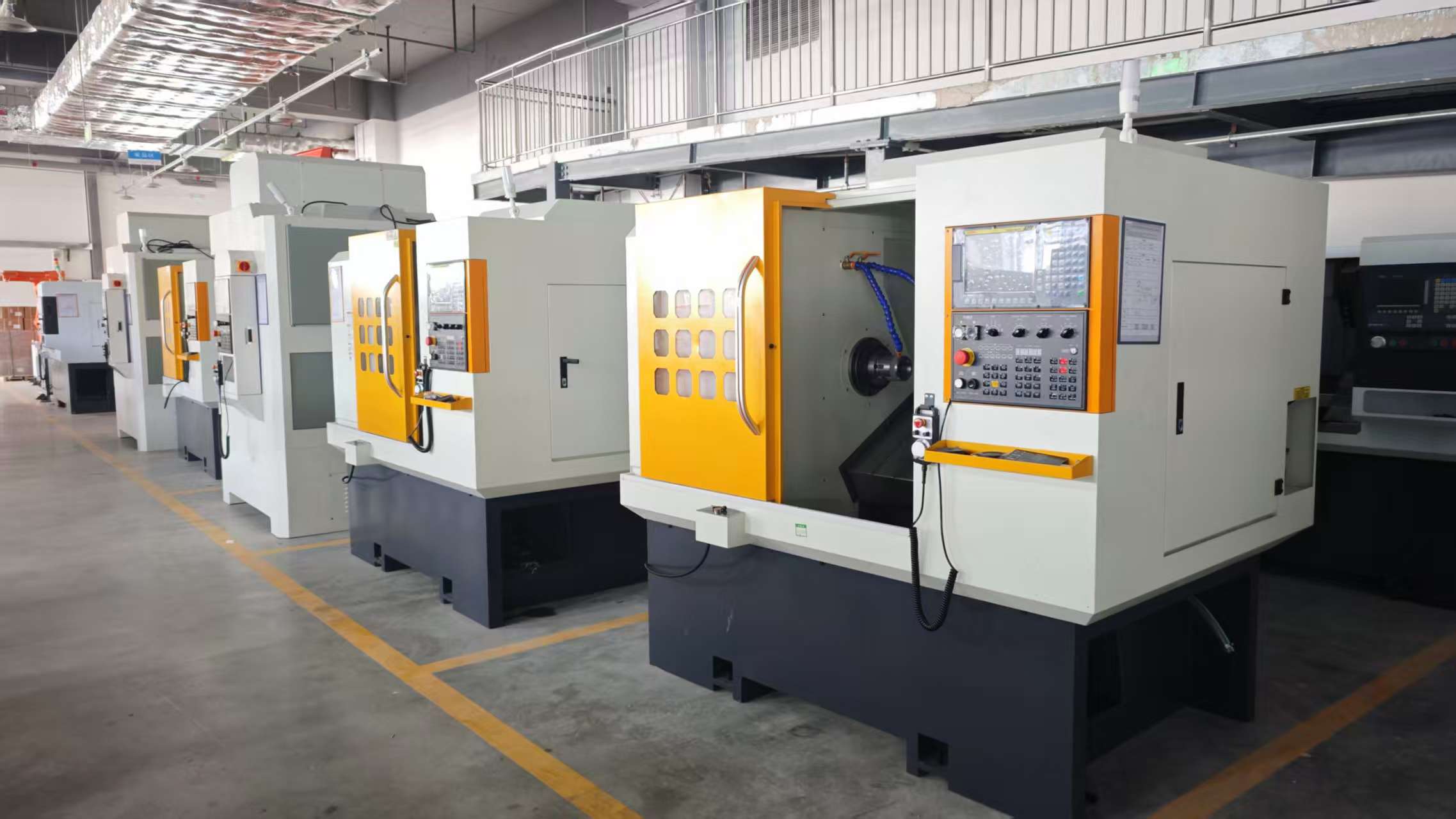
| Precision CNC Lathe Machine | 400 - 1000 mm | 3.0 mm / 6.0 mm | 0 - 2500 RPM | Syntec / Fanuc | Cookware, high-end design lampshades |
| Heavy-Duty Shear Forming | 1200 - 2500 mm | 8.0 mm / 16.0 mm | 0 - 800 RPM | High-Torque Hydraulic CNC | Aerospace parts, pressure vessel ends |
| Flanging & Shearing Combo | 300 - 2000 mm | 2.5 mm / 5.0 mm | Variable Frequency | Automatic PLC System | HVAC ventilation duct connection flanges |
Leading Global Manufacturer of High-Tech CNC Spinning and Metal Forming Machine Tools
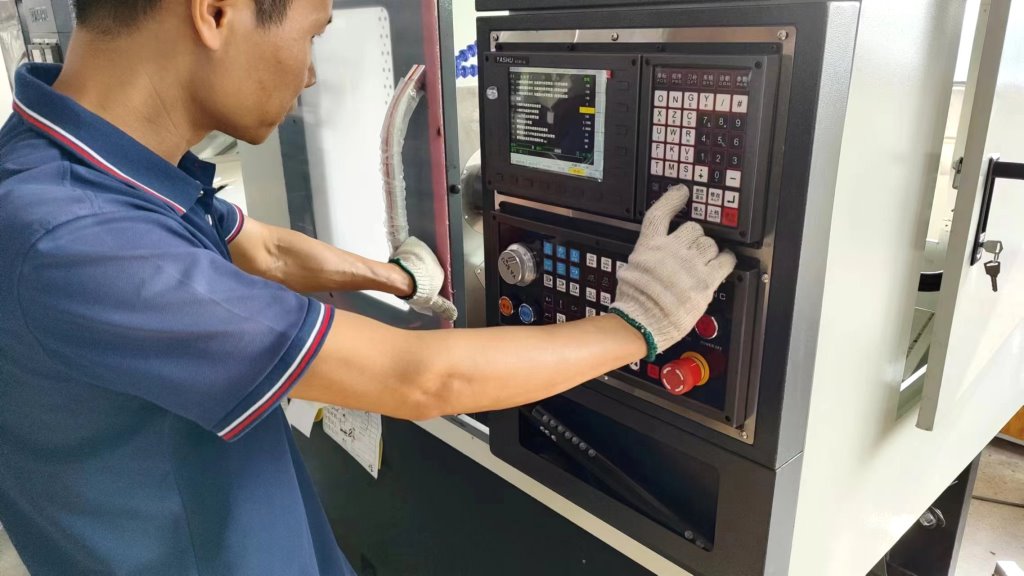
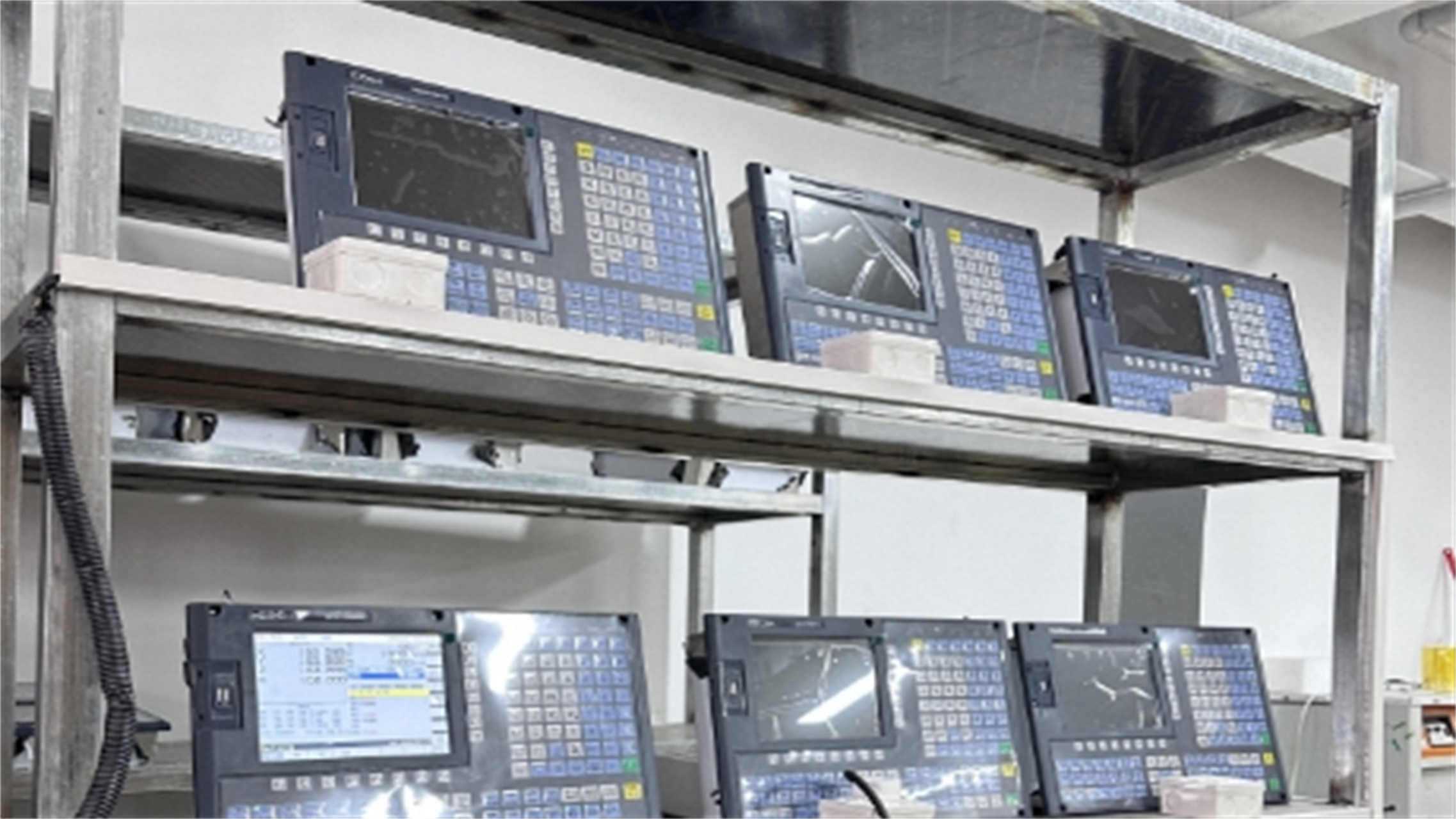
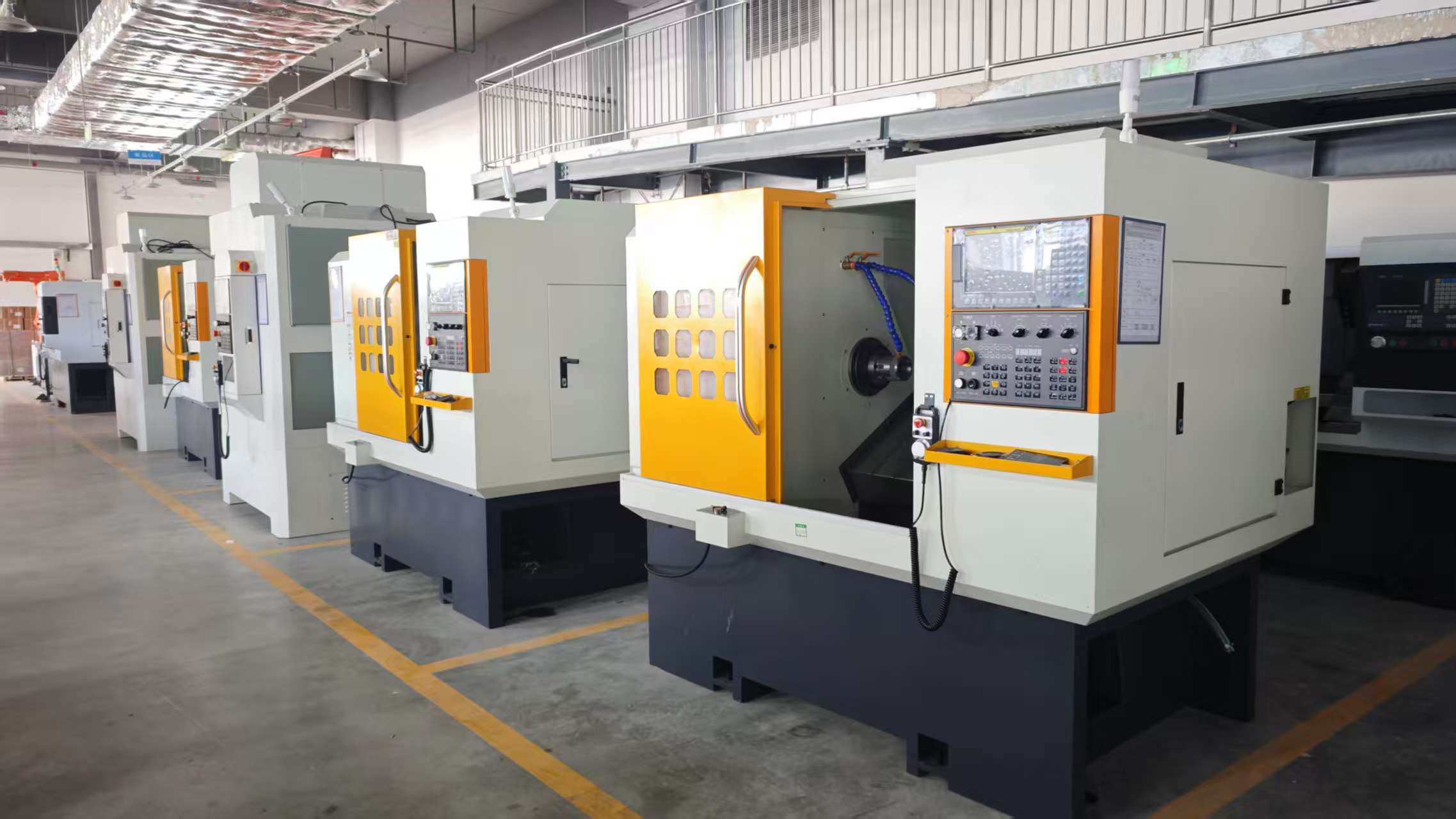
As a high-tech enterprise specializing in the research, development, and manufacturing of CNC spinning machine tools, Zhejiang ZRF Spinning Co., Ltd. has extensive experience and a strong technical foundation in the domestic spinning industry.
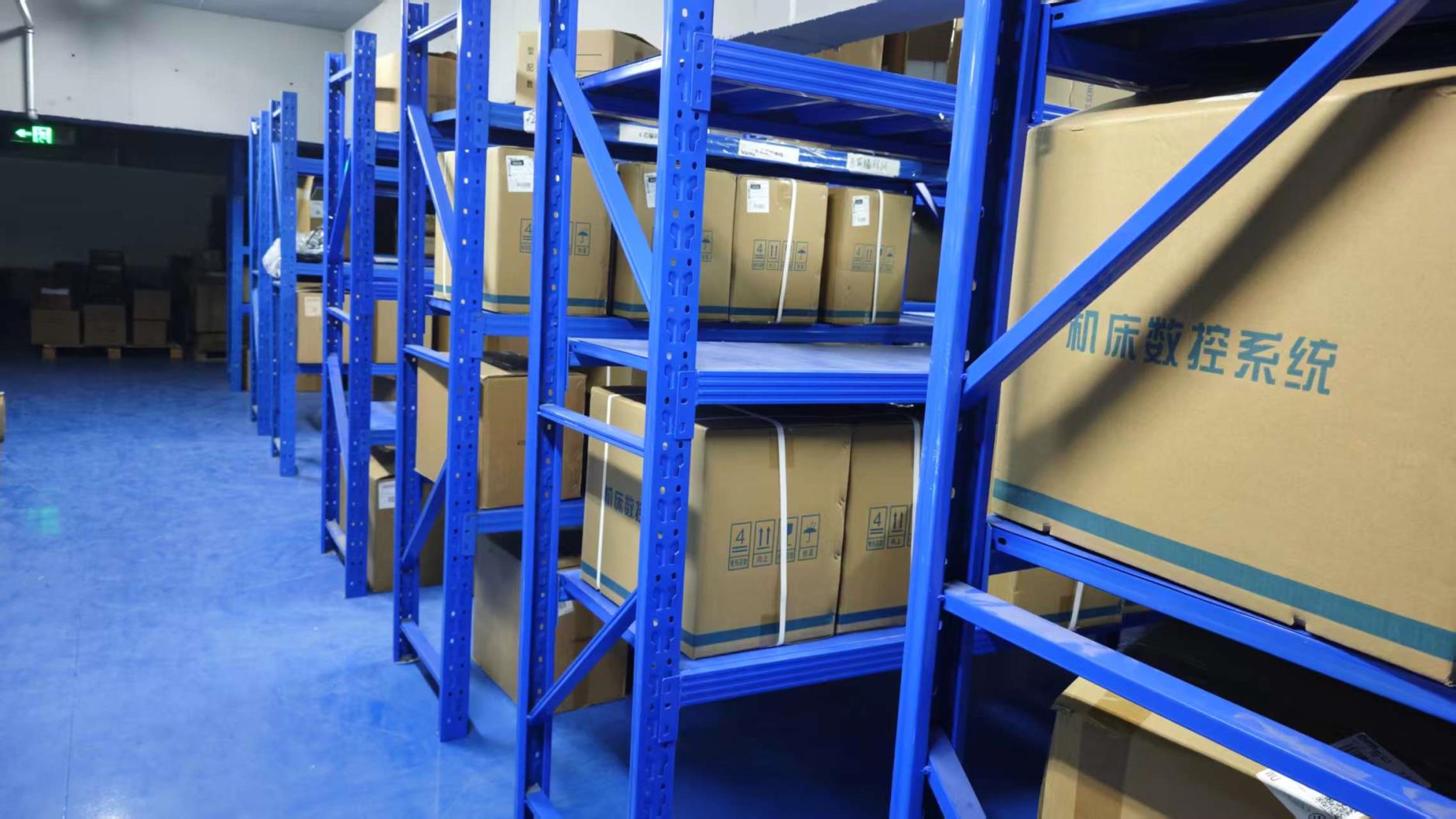
Our series of CNC spinning machine tools are widely applied across a variety of industries, including petrochemicals, electronics, daily hardware, food processing machinery, automotive and motorcycle components, pressure vessels, ventilation and environmental protection, defense, and aerospace. The ZRF spinning machine series has reached more than 30 provinces and cities across China and has been exported to over 20 countries and regions worldwide. Our advanced technology, excellent product quality, and comprehensive service system have earned the trust and recognition of users globally.
At Zhejiang ZRF Spinning Co., Ltd., we firmly advocate a philosophy of market-oriented development, research-driven innovation, and technological excellence. We focus on continuous improvement in both product performance and service quality. Our manufacturing process strictly adheres to the ISO9001 quality management system, ensuring reliable, safe, and high-quality products. Over the years, we have established long-term cooperative relationships with many leading domestic and international enterprises.
Our mission and values:
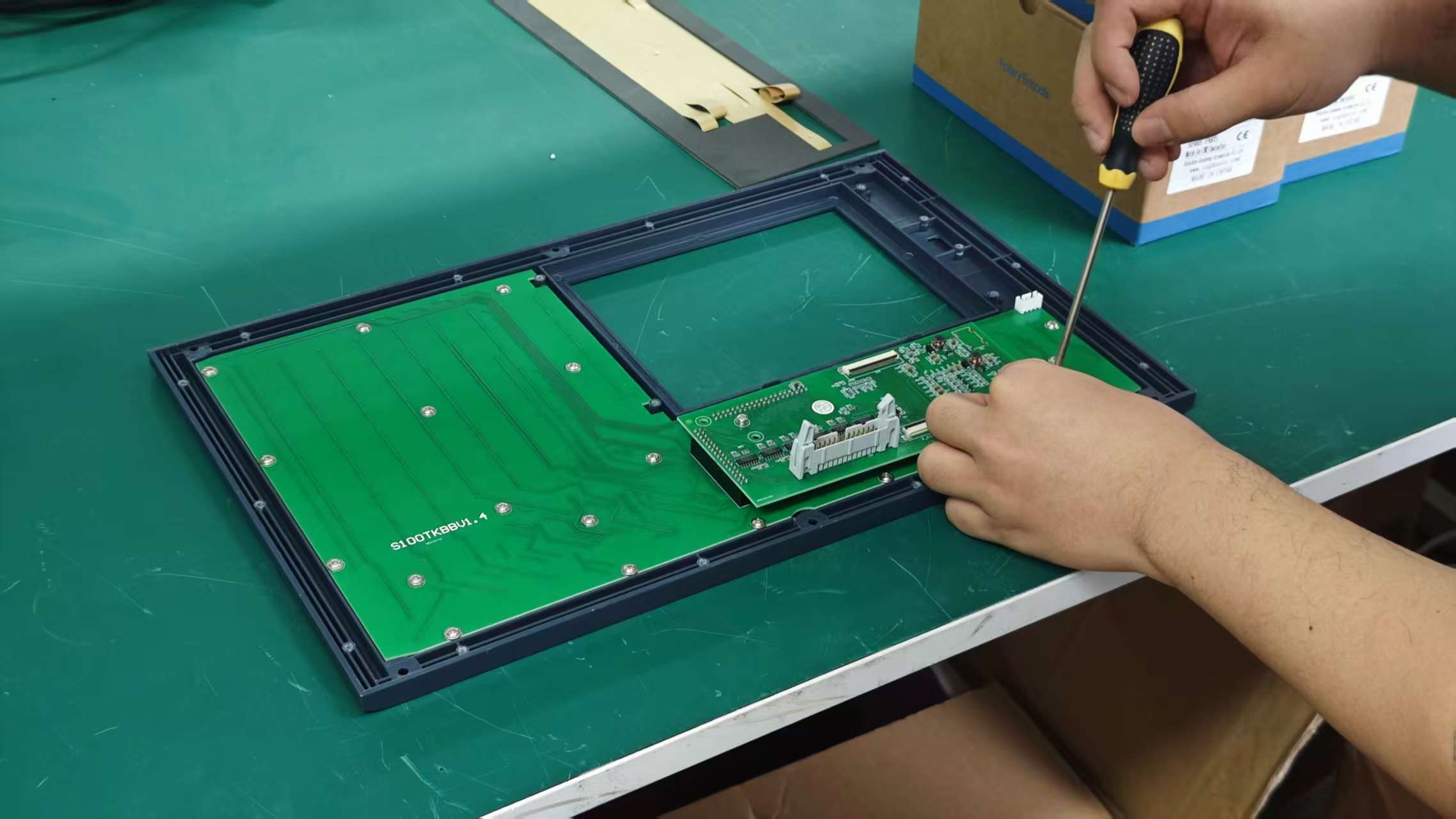
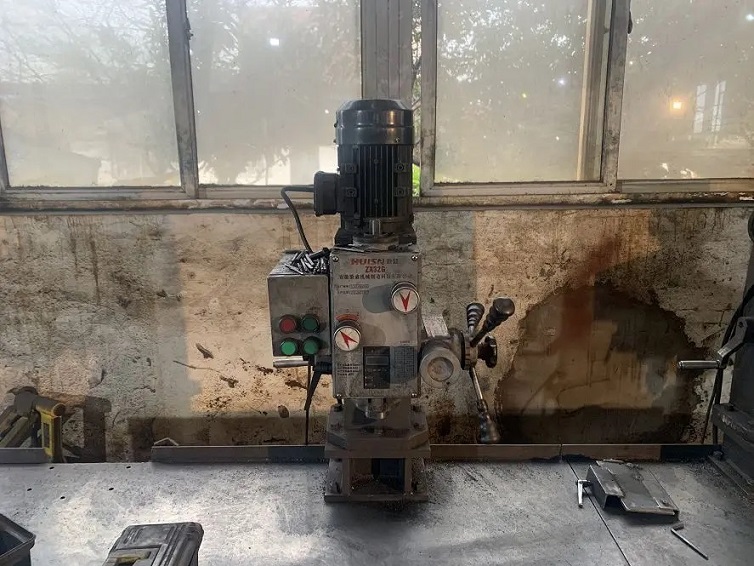
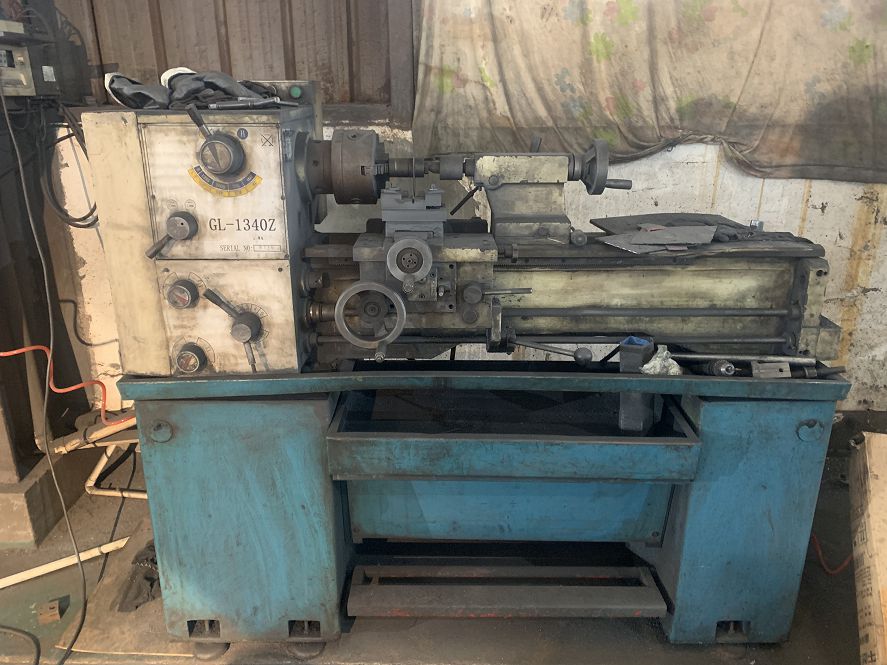
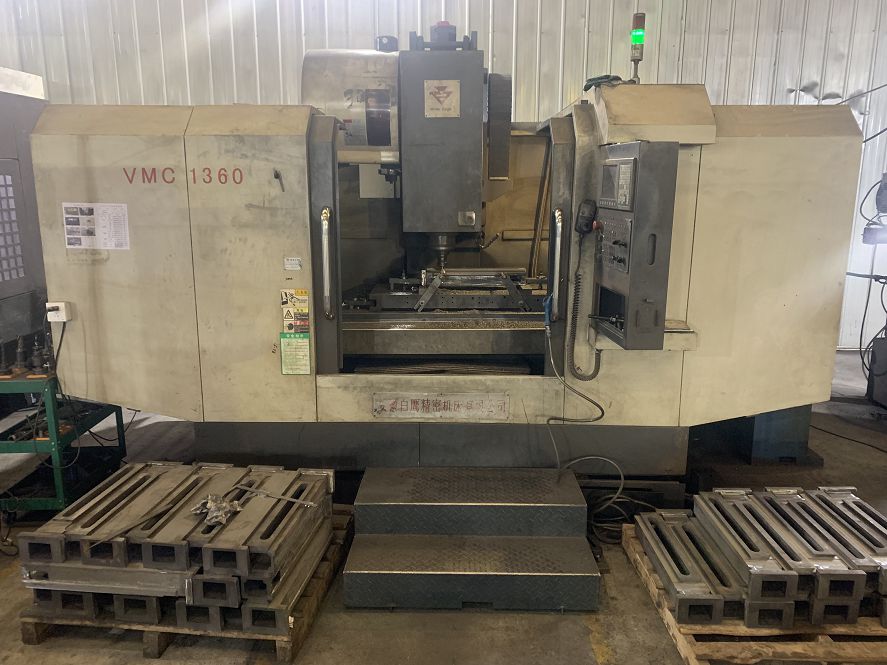
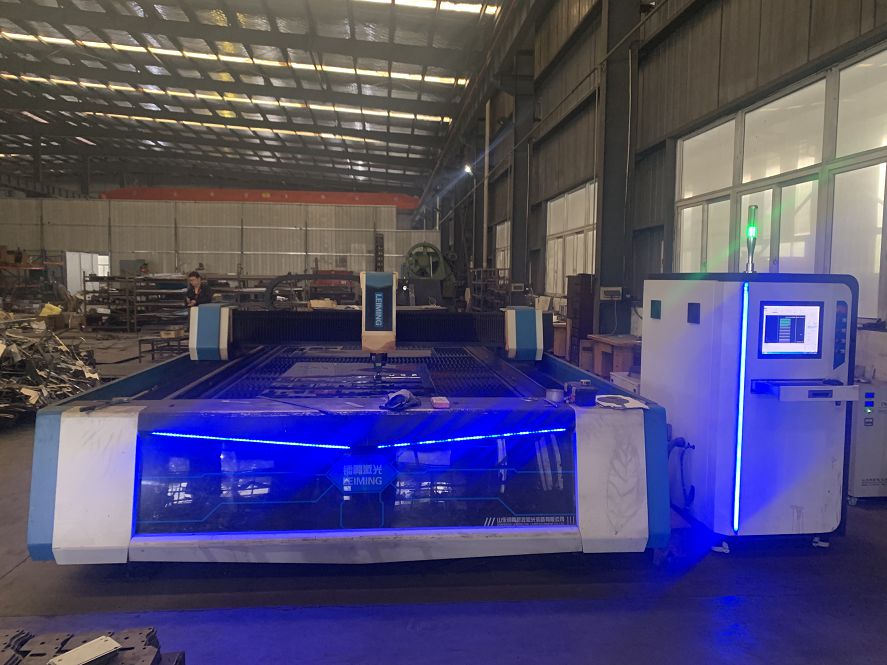
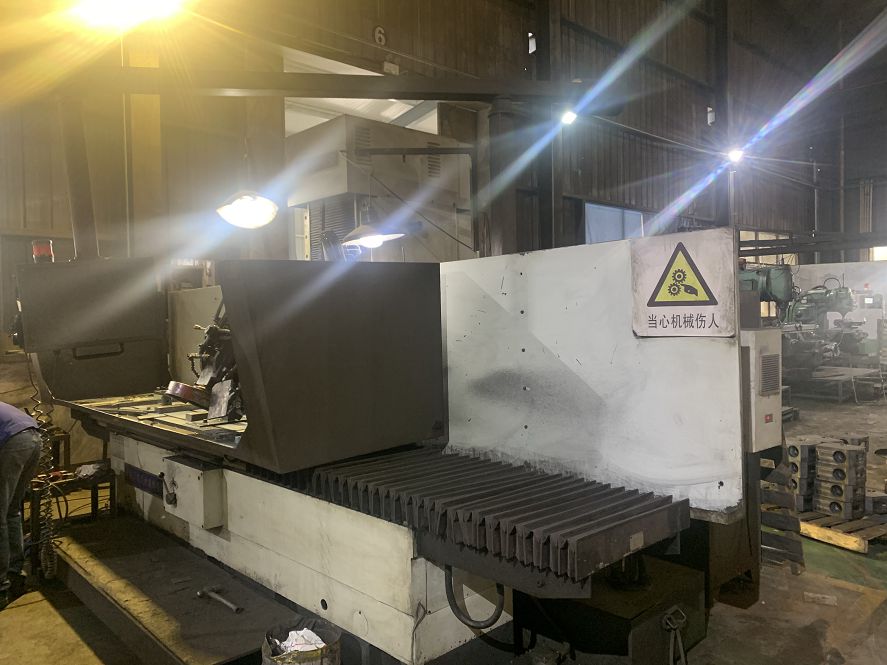
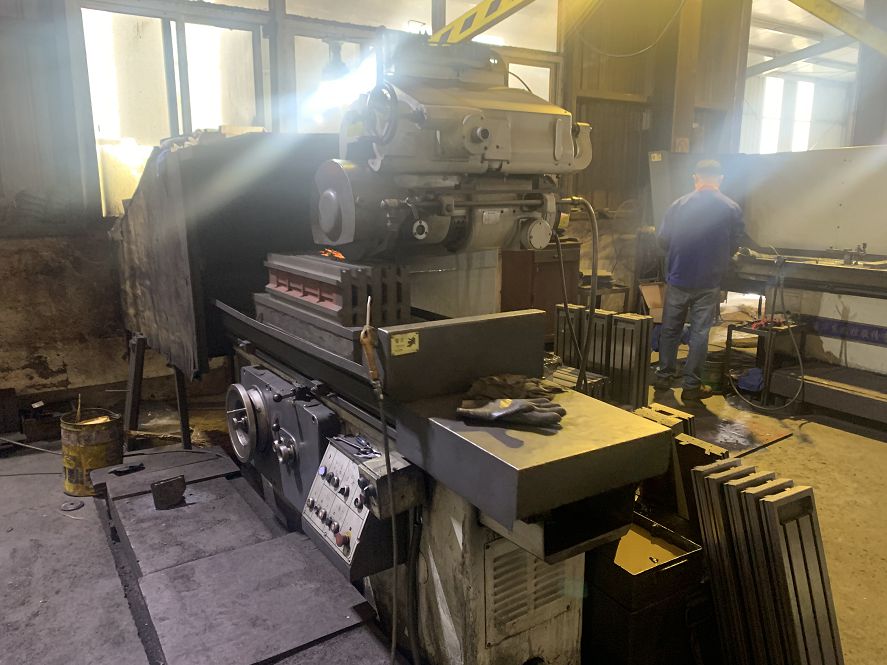
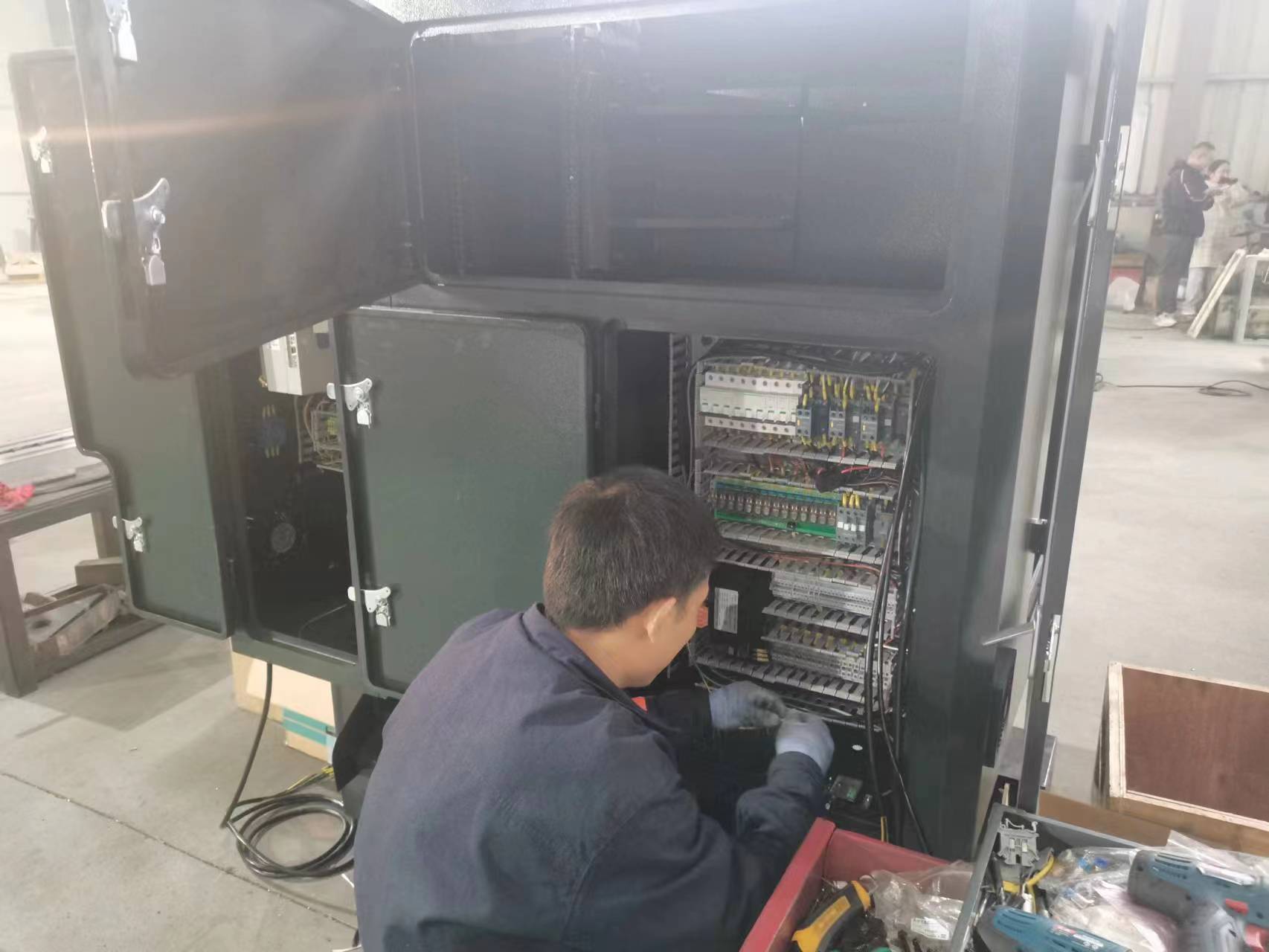
How we support Central European procurement managers with strict compliance, digital twin simulations, and reliable parts delivery.
For factory owners and procurement teams in industrial hubs like Győr or Székesfehérvár, importing machinery requires absolute confidence in logistics, installation, and ongoing maintenance. Our international department works directly with your engineers to deliver turn-key solutions.
Expert technical answers for engineers, production directors, and procurement specialists.
CNC spinning requires significantly lower tooling costs compared to deep drawing, which requires expensive male and female die sets. Metal spinning uses a single mandrel (often made of carbon steel or cast iron), making it ideal for low-to-medium volume production and rapid prototyping. It also improves mechanical properties through work hardening.
Our machines are engineered to comply with the CE Machinery Directive 2006/42/EC. This includes using certified safety components like dual-channel emergency stop circuits, interlocking door switches, light curtains, and electromagnetic safety locks, as well as providing full multilingual documentation.
Yes. Using our high-torque hydraulic spinning units and auxiliary hot-spinning equipment (which applies heat directly to the blank during rotation), we can successfully spin exotic alloys, high-strength stainless steel, and titanium. Please consult our technical department with your material specification.
Standard configurations typically take 60 to 90 days for manufacturing, testing, and aging. Specialized multi-axis systems with custom loading automation require approximately 120 days. Ocean freight from China to the Port of Koper (Slovenia) or Hamburg (Germany) with rail connection to Budapest adds 35 to 45 days.
We offer a two-stage training program. First, your technical operators can visit our production facility for hands-on programming and operation training. Second, our field engineers will travel to your site in Hungary to oversee final assembly, commissioning, and provide advanced training on your specific production parts.
Contact ZRF's technical engineering department today to request a custom machine configuration or arrange virtual factory testing.
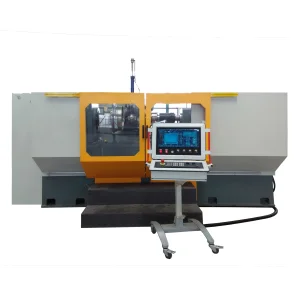
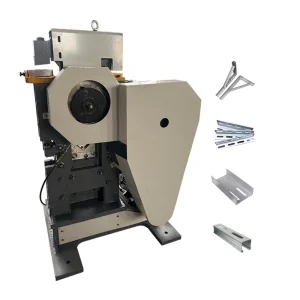
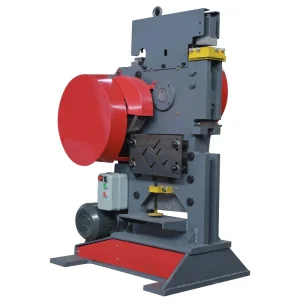
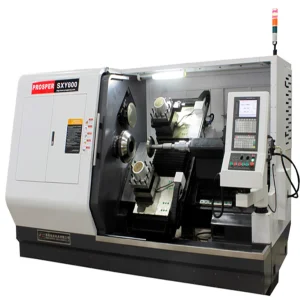
Send Inquiry NowExplore our full line of robust mechanical and hydraulic equipment tailored for metal processing operations in Hungary.
 ZRF Spinning