South Africa represents one of the most dynamic industrial economies in Africa, with established manufacturing hubs across Gauteng, KwaZulu-Natal, and the Western Cape. Traditionally reliant on imported consumer goods, South African retailers, mining companies, and consumer brands are actively pivoting toward local manufacturing. Under initiatives supported by the Department of Trade, Industry and Competition (DTIC), local content requirements are encouraging local cookware manufacturers to expand capacity, reduce lead times, and optimize material utilization.
In South Africa’s cookware industry, aluminum and stainless steel remain the dominant raw materials. Major local suppliers and distributors offer high-quality aluminum blanks (often sourced from localized processing facilities like Hulamin) and premium grade 304/316 stainless steel. However, manufacturing these metals into complex, deep-drawn pots, heavy-duty frying pans, and traditional South African cookware, such as specialized cooking bowls, demands robust machinery capable of processing high-tensile materials with absolute structural integrity.
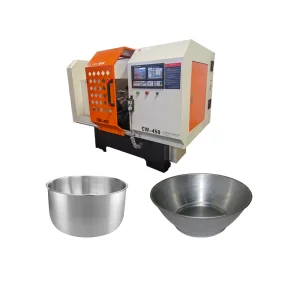
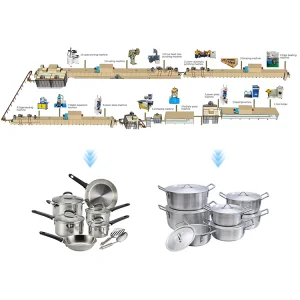
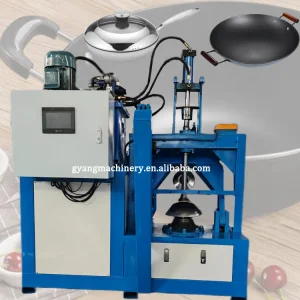
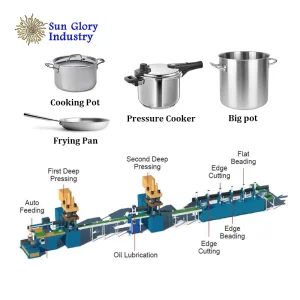
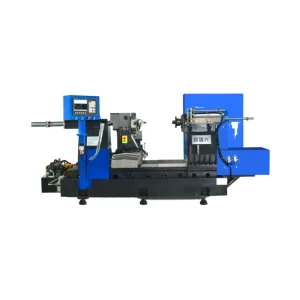
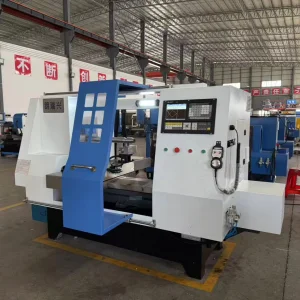
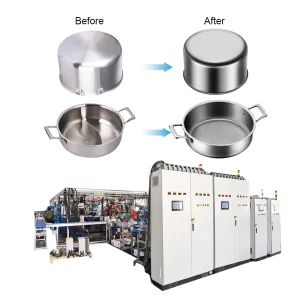
The primary barrier to scaling local manufacturing has been the reliance on manual or semi-automatic production methods, which are plagued by high scrap rates, inconsistent wall thickness, and long cycle times. By introducing Automatic Cookware Pot & Bowl Spin Forming Lines, South African factories can implement state-of-the-art automation. These CNC-controlled lines execute shear forming, conventional spinning, and edge trimming in a single setup, enabling local manufacturers to compete effectively with imports from East Asia while catering to domestic and regional SADC (Southern African Development Community) markets.
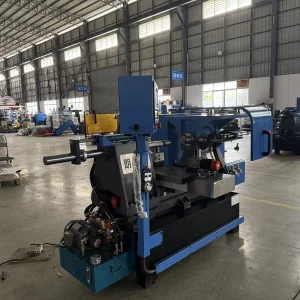
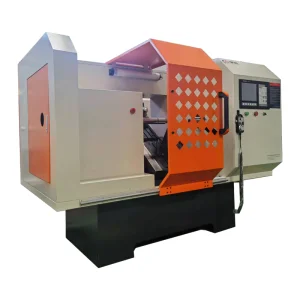
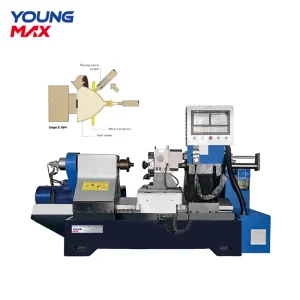
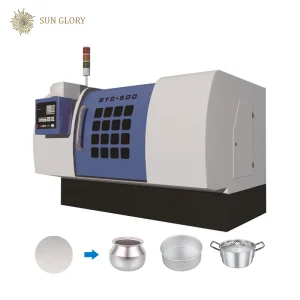
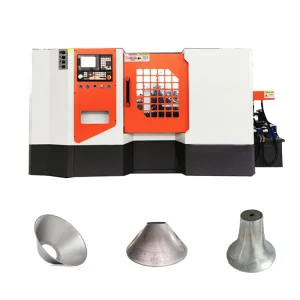
Metal spinning (or spin forming) is a precision cold-working process that rotates a metal disc (blank) at high speeds, using CNC-guided rollers to flow the material over a mandrel. Below is how our technology optimizes this process:
Equipped with state-of-the-art CNC control systems, our machines allow operators to program complex tool paths for variable wall thicknesses. This is critical for cookware, where the base needs to remain thick for heat retention, while the sidewalls can be thinned to save material weight and cost.
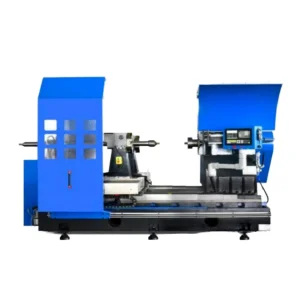
Our dual-spindle designs facilitate simultaneous or balanced forces on high-tensile stainless steel blanks. This limits machine deflection, eliminates micro-cracks, and maintains a mirror-smooth surface finish, reducing post-spinning grinding and polishing requirements.
Unlike traditional metal spinning lathes that require multiple machine setups, ZRF's automatic lines integrate auxiliary tool slides for secondary operations. In a single continuous cycle, the pot or bowl is spun, trimmed to height, beaded/hemmed at the rim, and flanged.
Operating industrial equipment in South Africa presents unique challenges, primarily regarding electrical grid stability and loadshedding. As a veteran manufacturer, Zhejiang ZRF Spinning Co., Ltd. customizes the electrical infrastructure of our spin forming machines to match local parameters perfectly:
| Performance Metrics | ZRF CNC Spin Forming Lines | Traditional Deep Drawing Hydraulic Press |
|---|---|---|
| Initial Tooling / Die Cost | Low to Moderate (Single-piece mandrel) | Extremely High (Matched male/female die sets) |
| Setup & Changeover Time | Fast (Programmable, under 30 minutes) | Slow (Heavy die swapping, up to several hours) |
| Material Yield / Blank Optimization | High (Flow forming allows thinner blanks) | Moderate (Requires blank holding flange, more waste) |
| Thickness Control | Excellent (Variable thickness along pot profile) | Uniform (Restricted by parent sheet thickness) |
| Surface Finish Quality | Very Good (Smooth rollers minimize micro-tears) | Variable (High friction can cause drawing scars) |
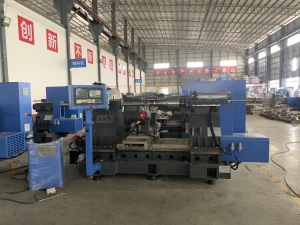
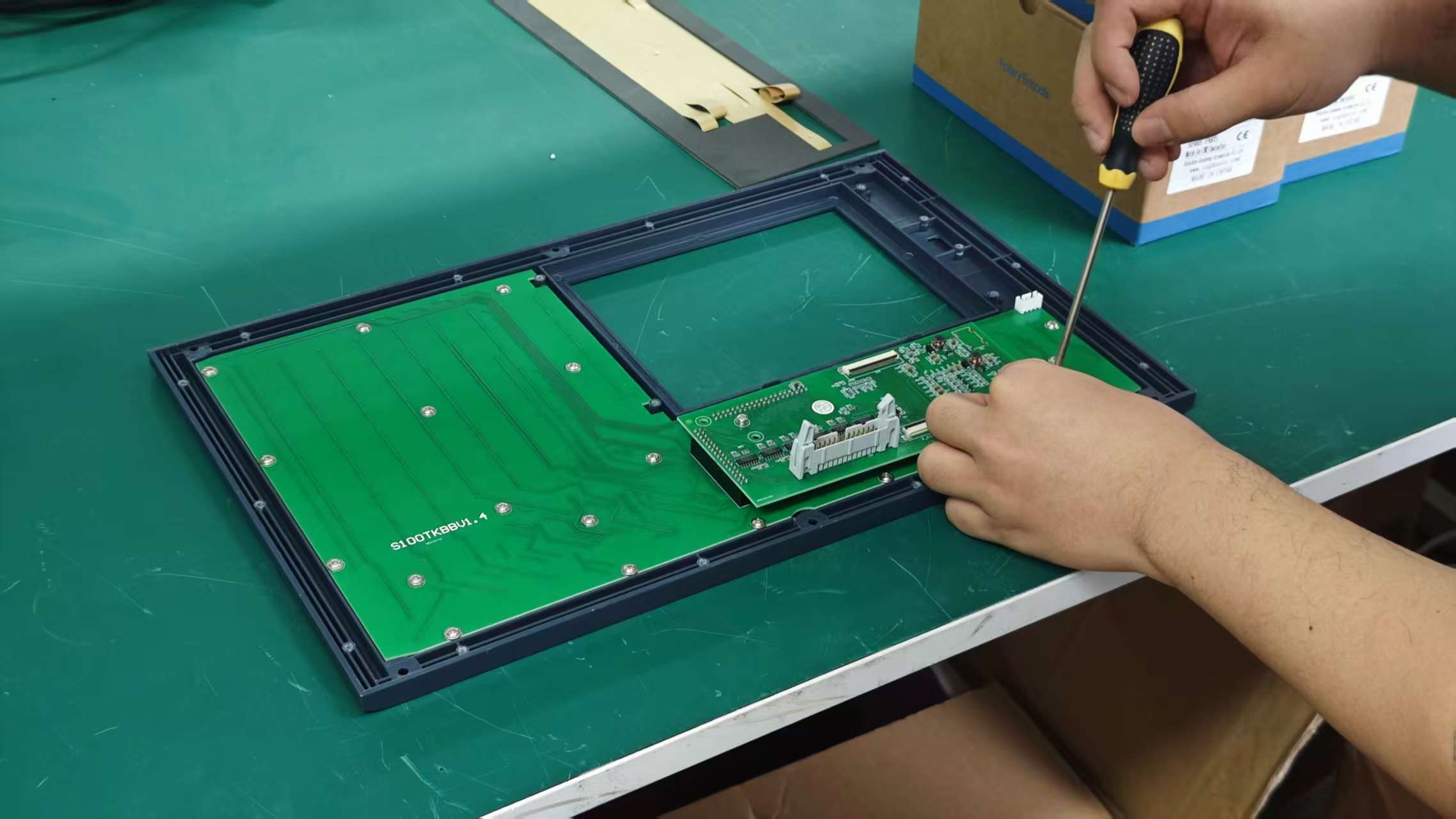
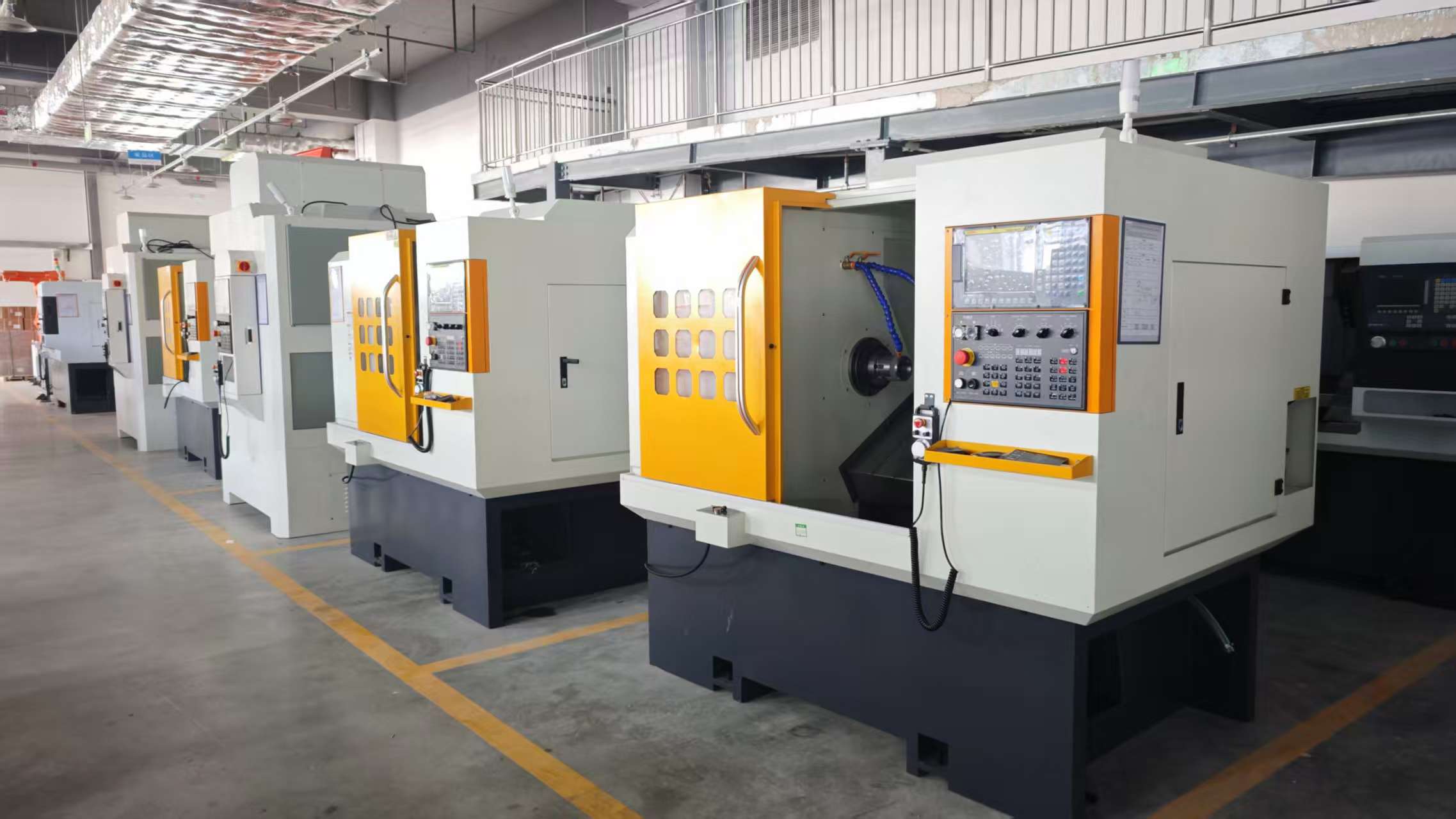
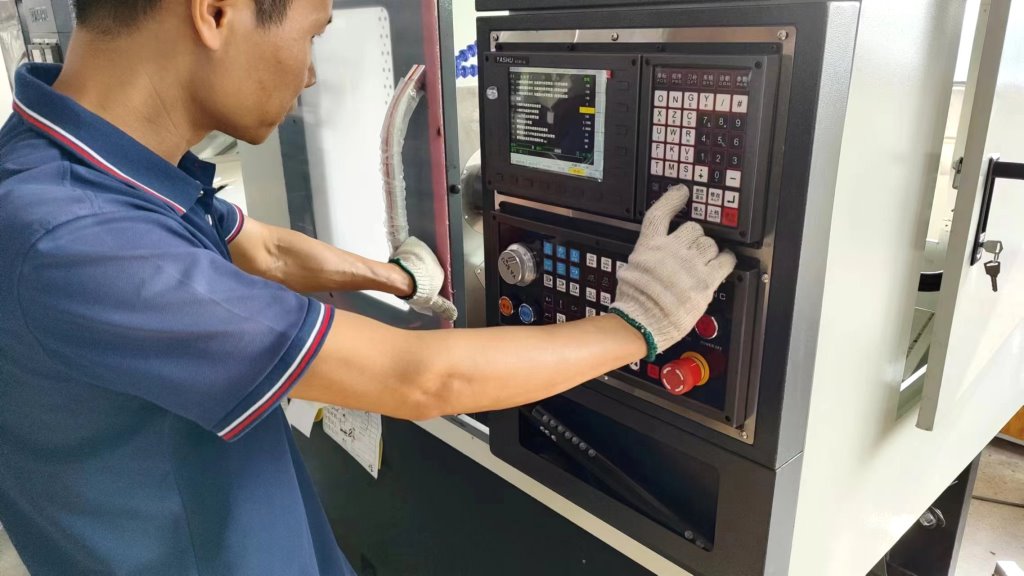
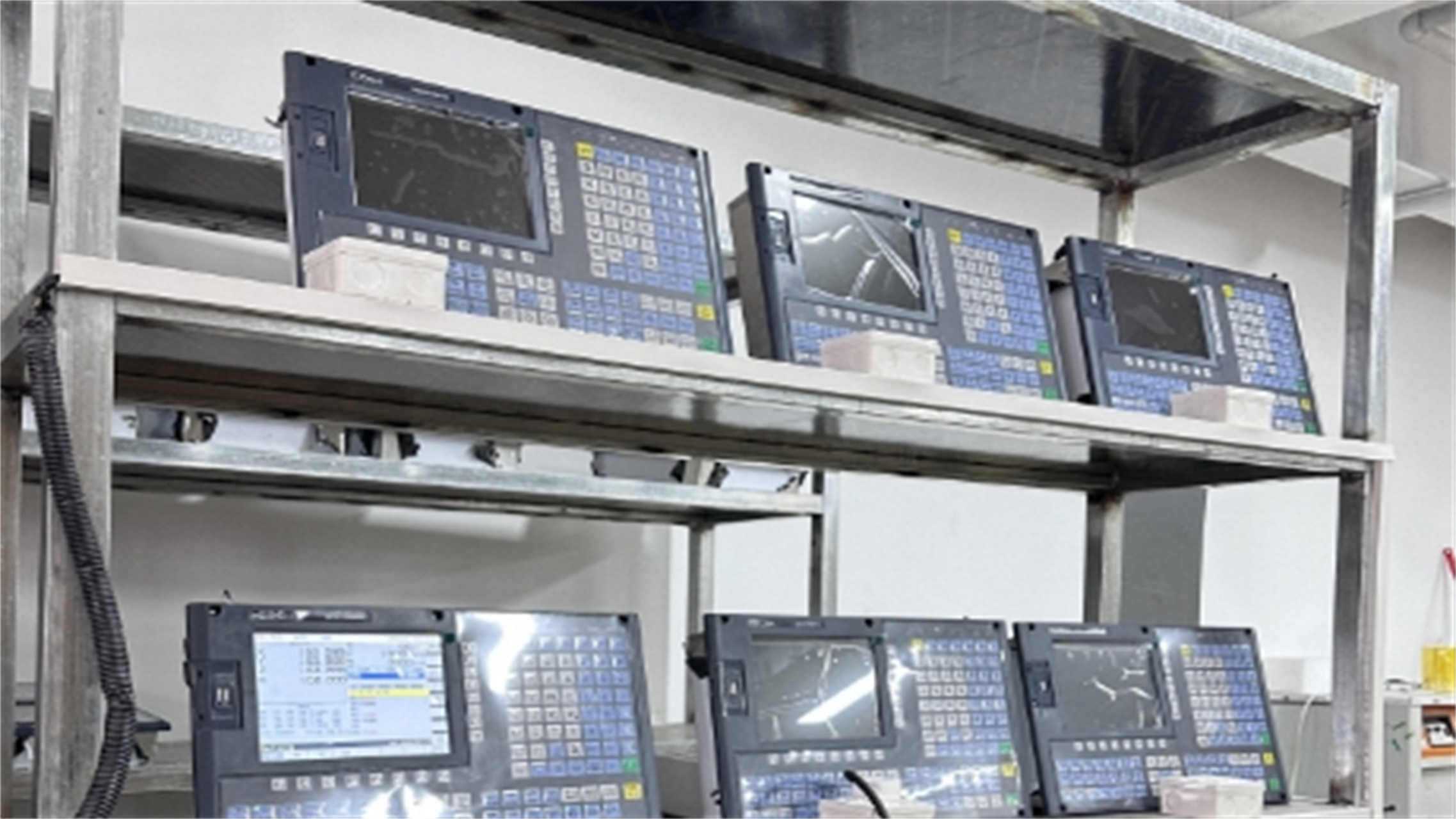
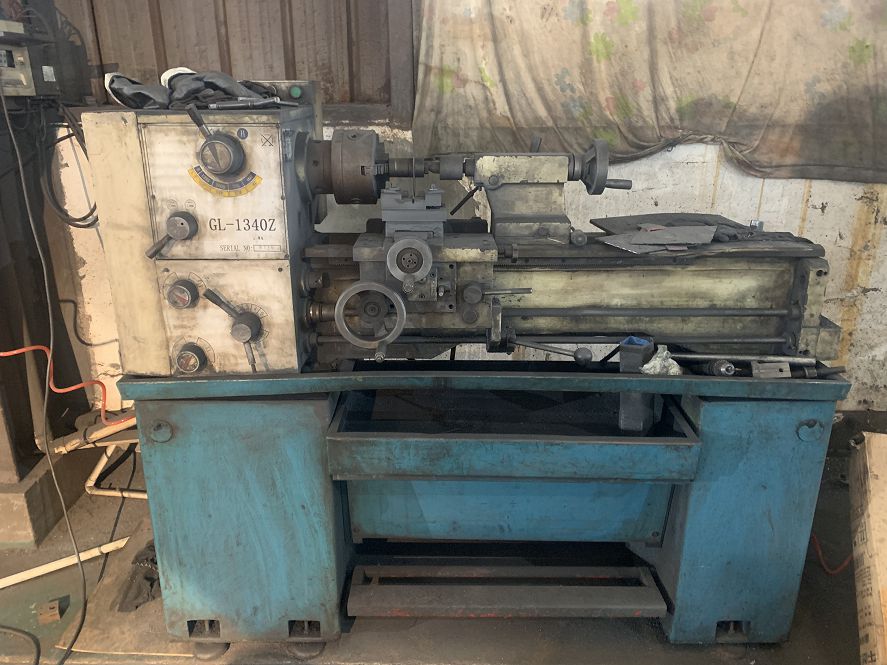
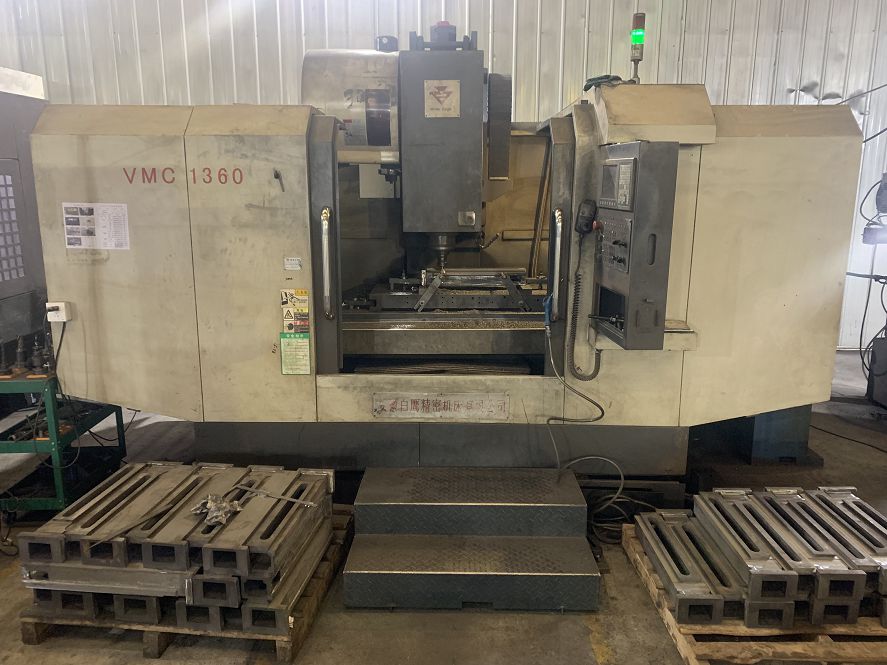
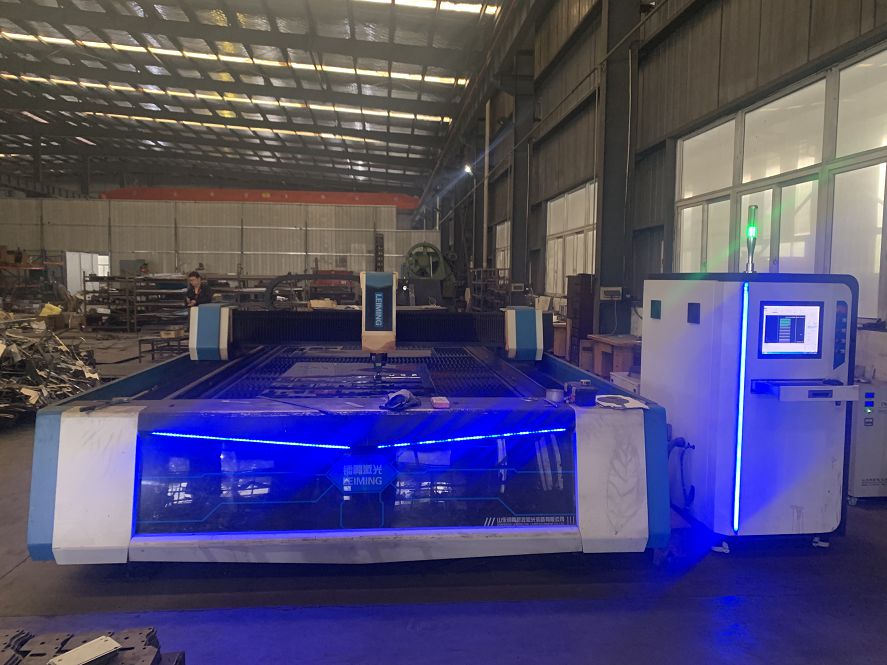
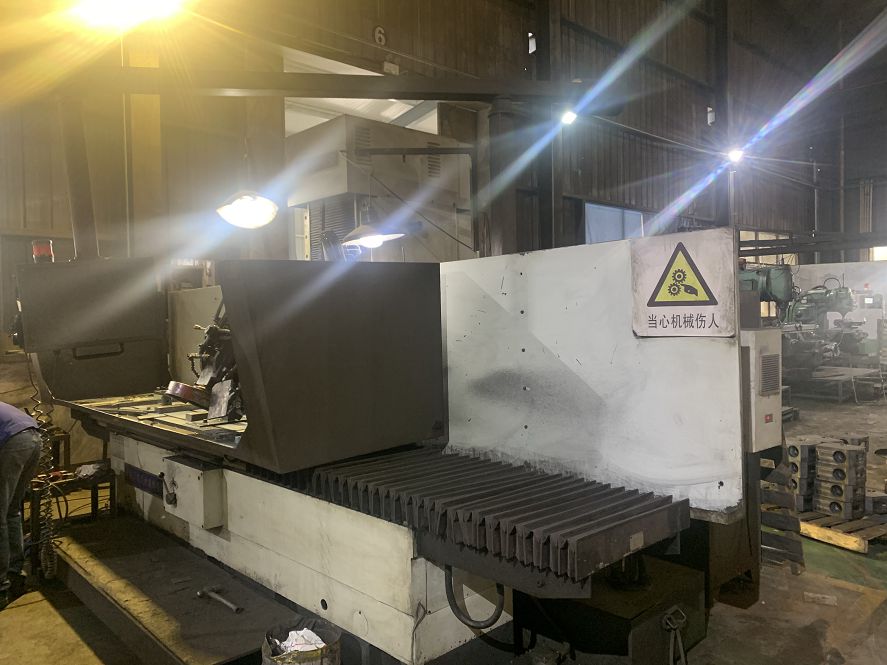
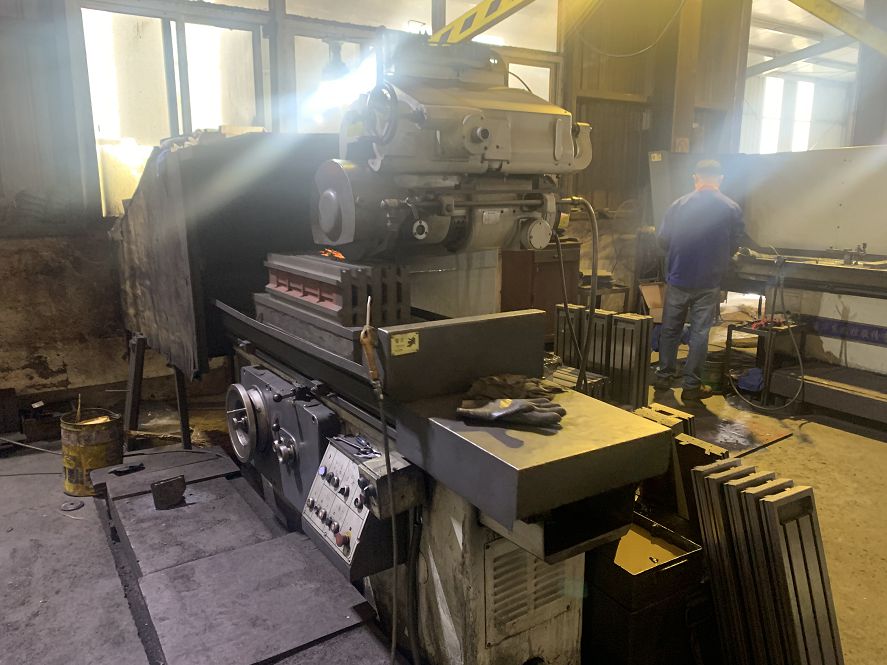
At Zhejiang ZRF Spinning Co., Ltd., our ISO9001-certified production facility utilizes high-precision processing machinery to manufacture and assemble CNC spin forming tools. From structural welding to final precision guideway grinding, each component is calibrated to withstand the massive radial and axial forces required for industrial metal deformation. Below is an inside look at our assembly, debugging, and quality control lines:
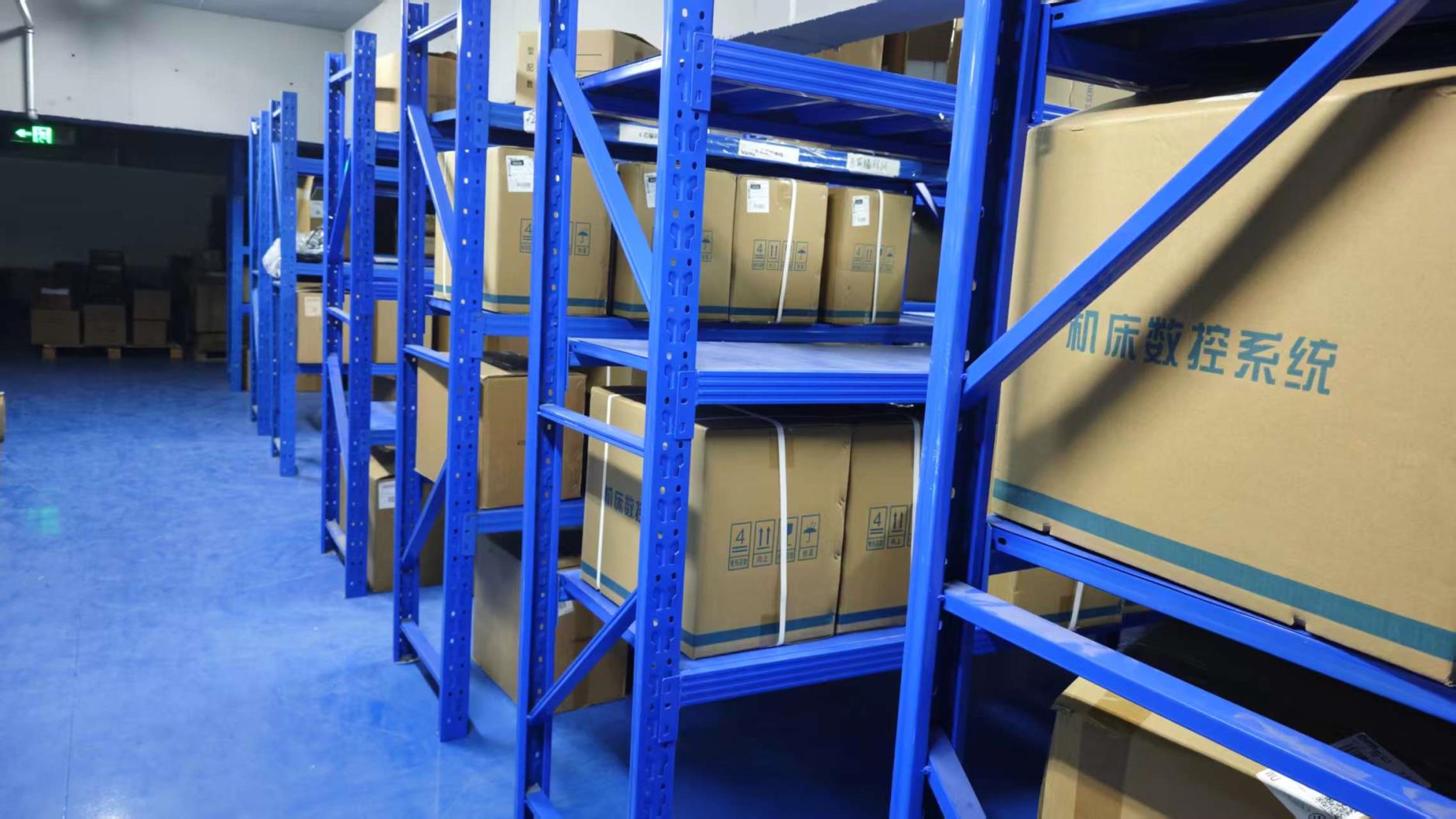
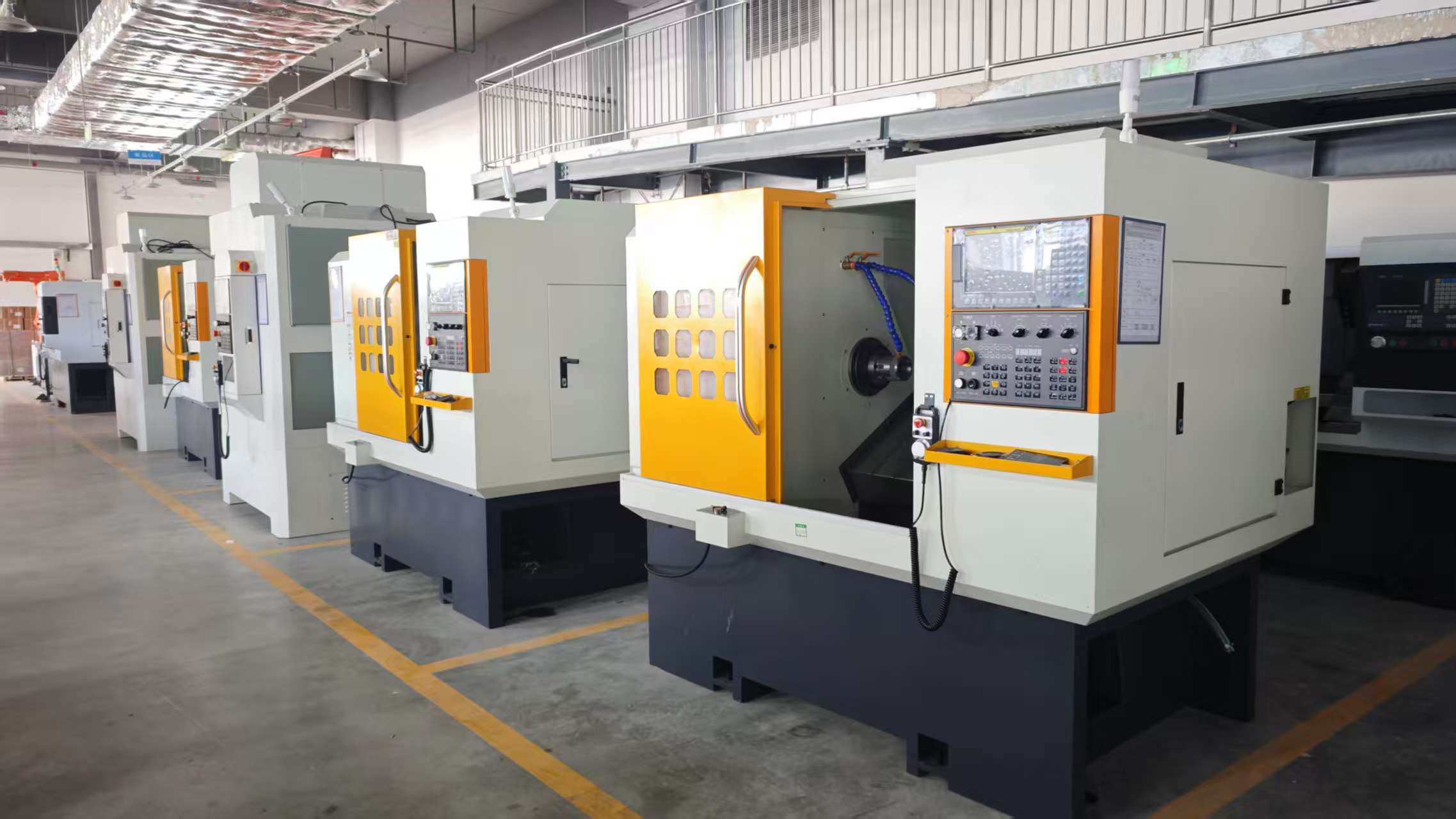
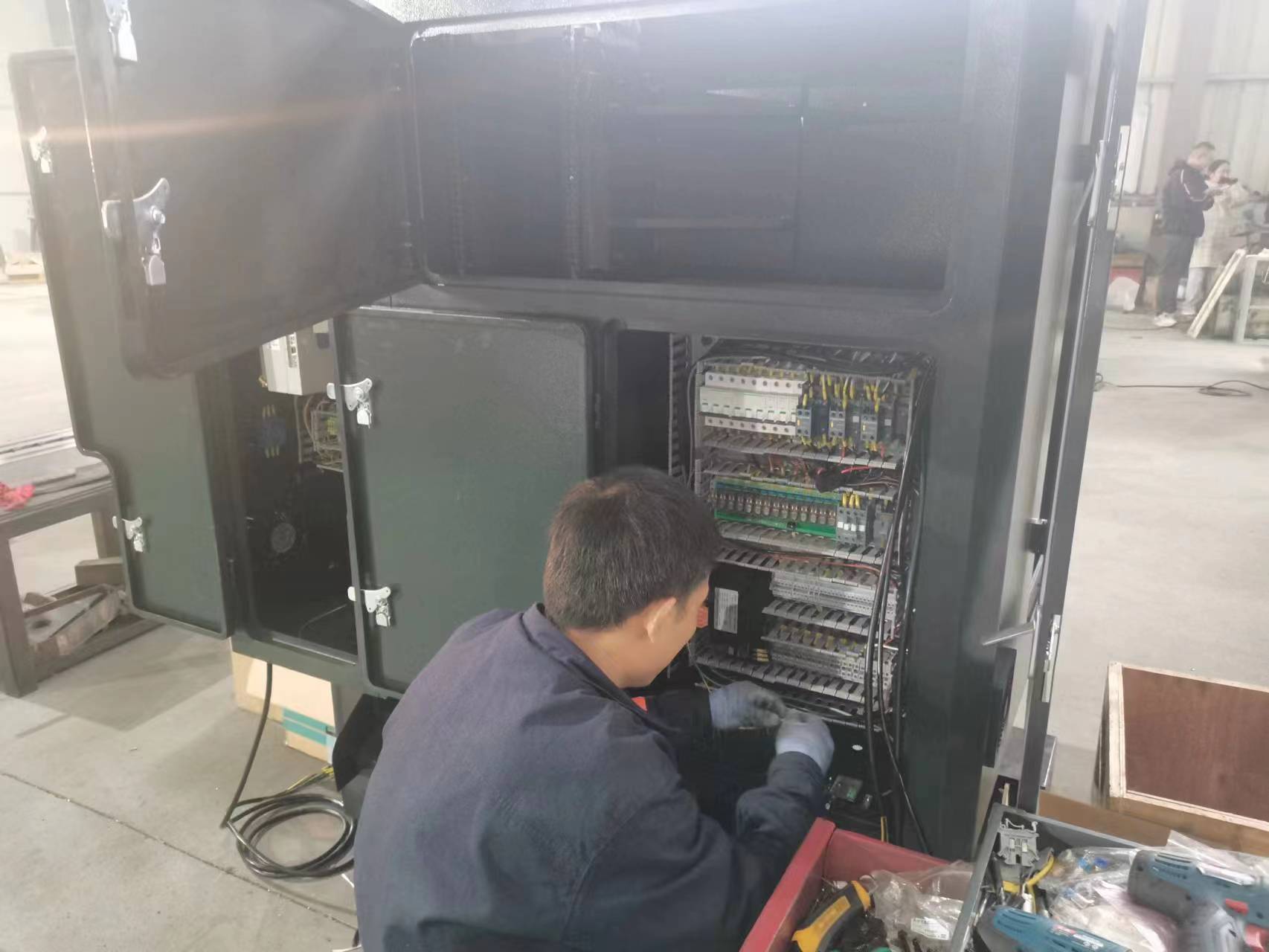
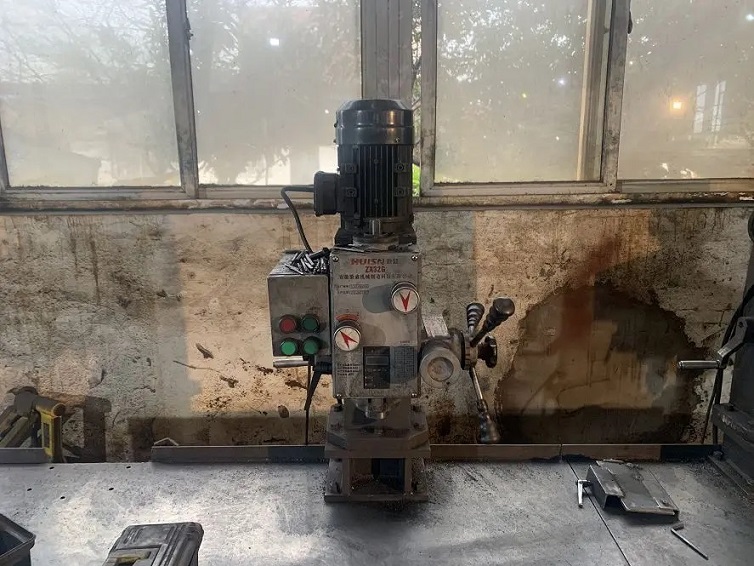
Chinese Provinces Served
Exporting Countries & Regions
ISO9001 Compliant Assembly
South African Grid Calibration
The manufacturing landscape for hollowware, pots, pans, and specialized bowls is shifting from simple mechanization to digital, cyber-physical systems. At ZRF Spinning, our technology roadmap emphasizes three major pillars:
To eliminate manual intervention and lower operational risks, our spin forming lines can be fully integrated with 6-axis articulated robots. The robot handles automatic blank loading, lubrication, transfer between the spin forming lathe and the polishing/beading units, and finished pot palletizing. This level of automation ensures a consistent output rate regardless of shift lengths.
By installing sensors across key mechanical components, including spindle bearings, hydraulic valves, and servo actuators, our systems monitor heat buildup, vibration frequencies, and tool wear. The CNC software flags maintenance requirements before component failure occurs. This predictive monitoring reduces unexpected downtime and lowers total cost of ownership (TCO).
Before any physical tooling is manufactured, our engineers utilize CAD/CAM data to generate a complete digital twin of the mandrel and the blank behavior. By simulating the spinning process virtually, we identify potential wall-thinning defects or material wrinkling. This approach reduces physical trial runs, ensuring the tooling is correct on the very first cycle.
As a high-tech enterprise specializing in the research, development, and manufacturing of CNC spinning machine tools, Zhejiang ZRF Spinning Co., Ltd. has extensive experience and a strong technical foundation in the domestic and international spinning industry.
Our series of CNC spinning machine tools are widely applied across a variety of industries, including petrochemicals, electronics, daily hardware, food processing machinery, automotive and motorcycle components, pressure vessels, ventilation and environmental protection, defense, and aerospace. The ZRF spinning machine series has reached more than 30 provinces and cities across China and has been exported to over 20 countries and regions worldwide. Our advanced technology, excellent product quality, and comprehensive service system have earned the trust and recognition of users globally.
At Zhejiang ZRF Spinning Co., Ltd., we firmly advocate a philosophy of market-oriented development, research-driven innovation, and technological excellence. We focus on continuous improvement in both product performance and service quality. Our manufacturing process strictly adheres to the ISO9001 quality management system, ensuring reliable, safe, and high-quality products. Over the years, we have established long-term cooperative relationships with many leading domestic and international enterprises.
Our Mission and Core Values:
We are dedicated to providing our clients with advanced, safe, and reliable technology and products. Looking forward, Zhejiang ZRF Spinning Co., Ltd. will continue to leverage its deep technical expertise to strengthen its leadership in China’s spinning industry and expand its global presence, striving to become a globally respected leader in spinning machine technology.
 ZRF Spinning