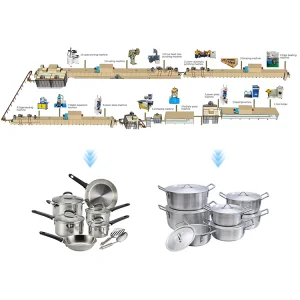
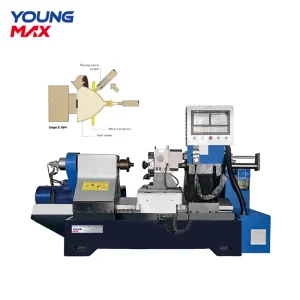
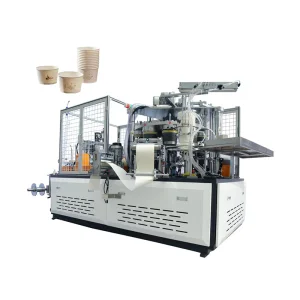
Zhejiang ZRF Spinning Co., Ltd. provides state-of-the-art metal forming systems engineered for unmatched precision and industrial durability.
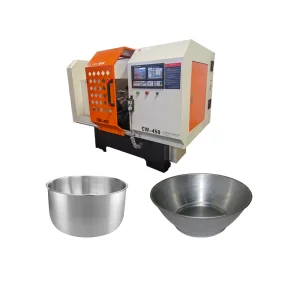
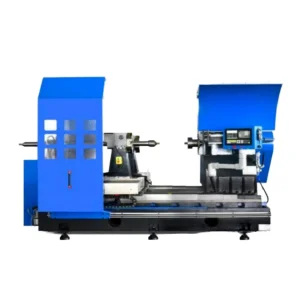
Cameroon's industrial sector, centered around key commercial hubs like Douala, Yaoundé, and the rising industrial zones of Kribi, is undergoing a monumental shift. Historically, the local cookware market in Cameroon has relied heavily on two sources: expensive imported kitchenware or low-grade cast aluminum pots (locally known as marmites) fabricated through artisanal recycling methods. While traditional sand-casting serves basic domestic demands, it presents critical bottlenecks including lack of standardization, structural defects, high labor intensity, and environmental hazards.
Under the national agenda for economic modernization and import substitution, Cameroonian manufacturing enterprises are actively transitioning from manual metalworking methods to Automatic CNC Metal Spinning and Spin Forming lines. By investing in modern technology, regional manufacturers are unlocking the capability to process premium raw materials such as food-grade aluminum disks (1050/1100 series) and high-tensile stainless steel (SUS304/316) into standardized, high-density, and aesthetically superior cookware, catering to both the domestic Cameroon market and the wider Central African Economic and Monetary Community (CEMAC).
Integrating Z浙江 ZRF CNC Spinning technology allows local factories to control material deformation profiles dynamically. This eliminates common casting defects such as micro-porosity and uneven cooling stresses. Consequently, the resulting pots, bowls, pans, and vessels display exceptional structural integrity, enabling Cameroon manufacturers to compete head-on with imports from European and Asian markets.
Analysing production efficiency, tooling costs, and structural design capabilities compared to deep drawing technologies.
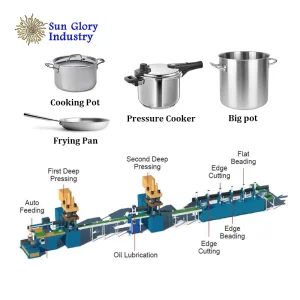
In global industrial cookware manufacturing, two primary forming techniques dominate: Hydraulic Press Deep Drawing and CNC Metal Spinning. Deep drawing requires massive capital expenditures for male and female dies, which are product-specific and require extensive setup times. For regional factories aiming to maintain flexibility and minimize upfront investments, deep drawing restricts the ability to introduce diverse product lines (such as varying pot profiles, neck designs, and rim configurations).
Conversely, Automatic CNC Metal Spinning Lines utilize simple, cost-effective mandrel chucks and programmable rollers. The metal disk is progressively deformed over the rotating mandrel by high-pressure CNC rollers. This provides distinct advantages:
| Parameters | CNC Metal Spinning Lines | Hydraulic Deep Pressing |
|---|---|---|
| Initial Tooling Costs | Minimal (Single Mandrel) | Very High (Matched Punch & Die) | Wall Thickness Control | Programmable & Variable | Fixed by Die Clearance |
| Surface Finish (External) | Exceptional (Polishing Integrated) | Often requires secondary drawing-mark removal |
| Ideal Material Thickness | 0.5 mm to 6.0 mm (Highly Versatile) | Generally thinner profiles or multi-stage presses |
| Setup Time | 15 - 30 minutes | 4 - 8 hours (requires heavy cranes) |
End-to-end production integrity requires complementary machines for trimming, polishing, forming, and material handling.
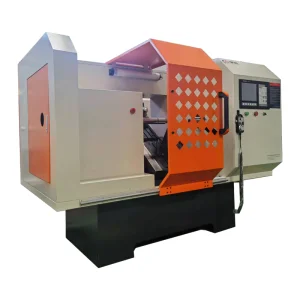
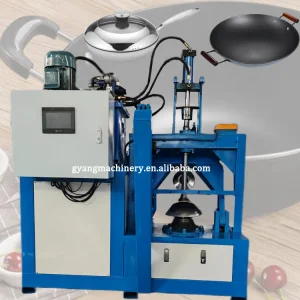
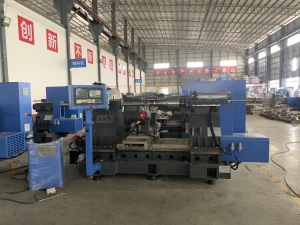
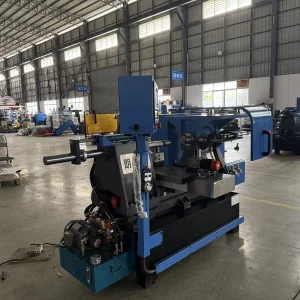
As a specialized manufacturer, Zhejiang ZRF Spinning Co., Ltd. integrates state-of-the-art software control, robust mechanical engineering, and a vertically integrated domestic supply chain. Our manufacturing facility in China utilizes precision machining tools, including laser cutting systems, precision guideway grinders, and automated testing rigs, to ensure every spinning lathe is built to last.
By using ZRF CNC spinning machines, Cameroon buyers gain access to advanced engineering advantages:
For Cameroon's developing manufacturing landscape, where power fluctuations are common, ZRF incorporates industrial-grade surge filters and stable German-engineered PLC systems (such as Siemens or Rexroth) to safeguard machine operation and minimize downtime. Our remote diagnostic capabilities allow ZRF engineers in China to assist Cameroon factory technicians via remote network support, drastically reducing troubleshooting times.
Speak to our system engineers for a tailored feasibility analysis and factory layout design.
Zhejiang ZRF Spinning Co., Ltd. executes rigorous assembly, aging, and testing stages to guarantee maximum uptime on the factory floor.
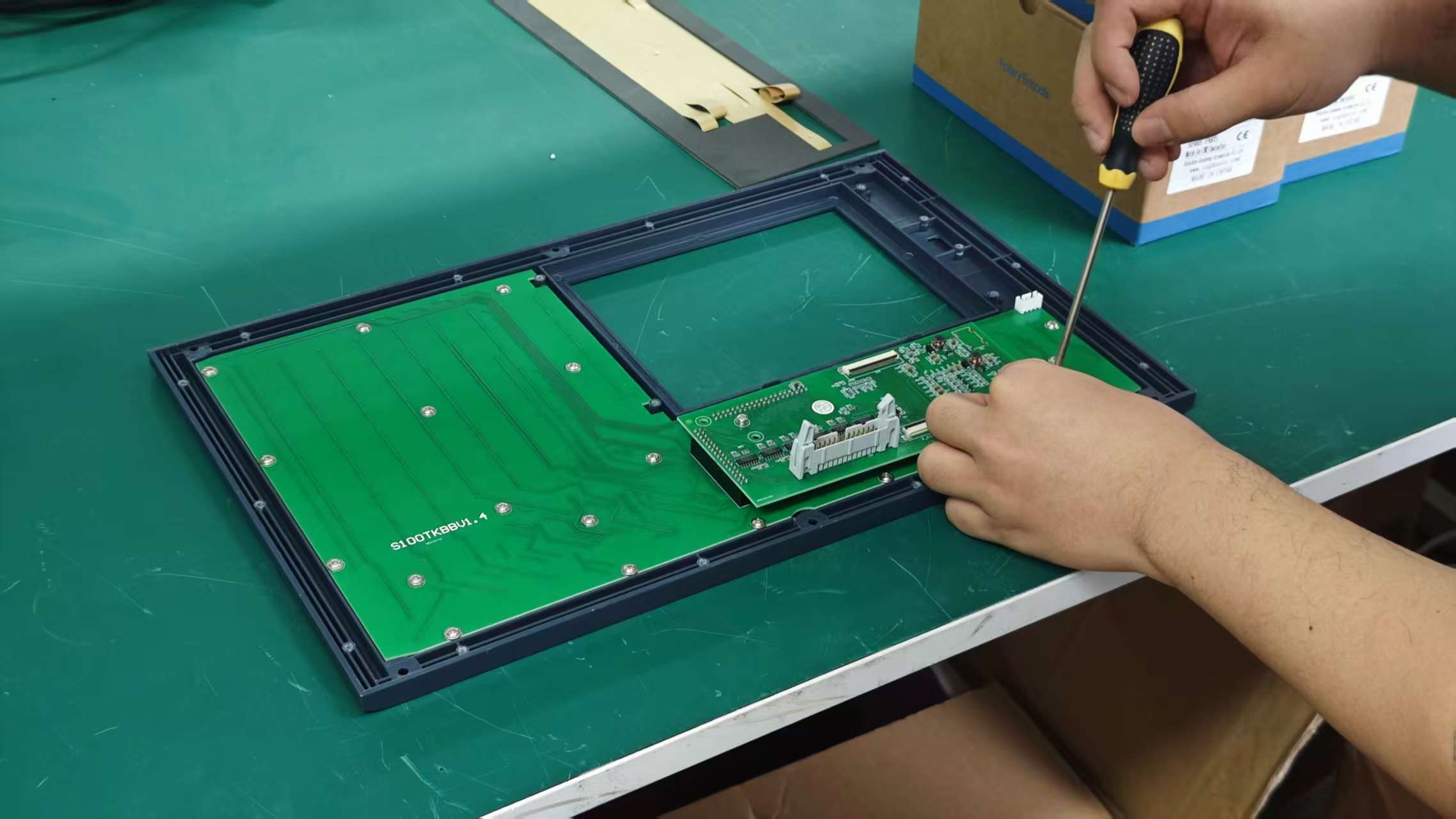
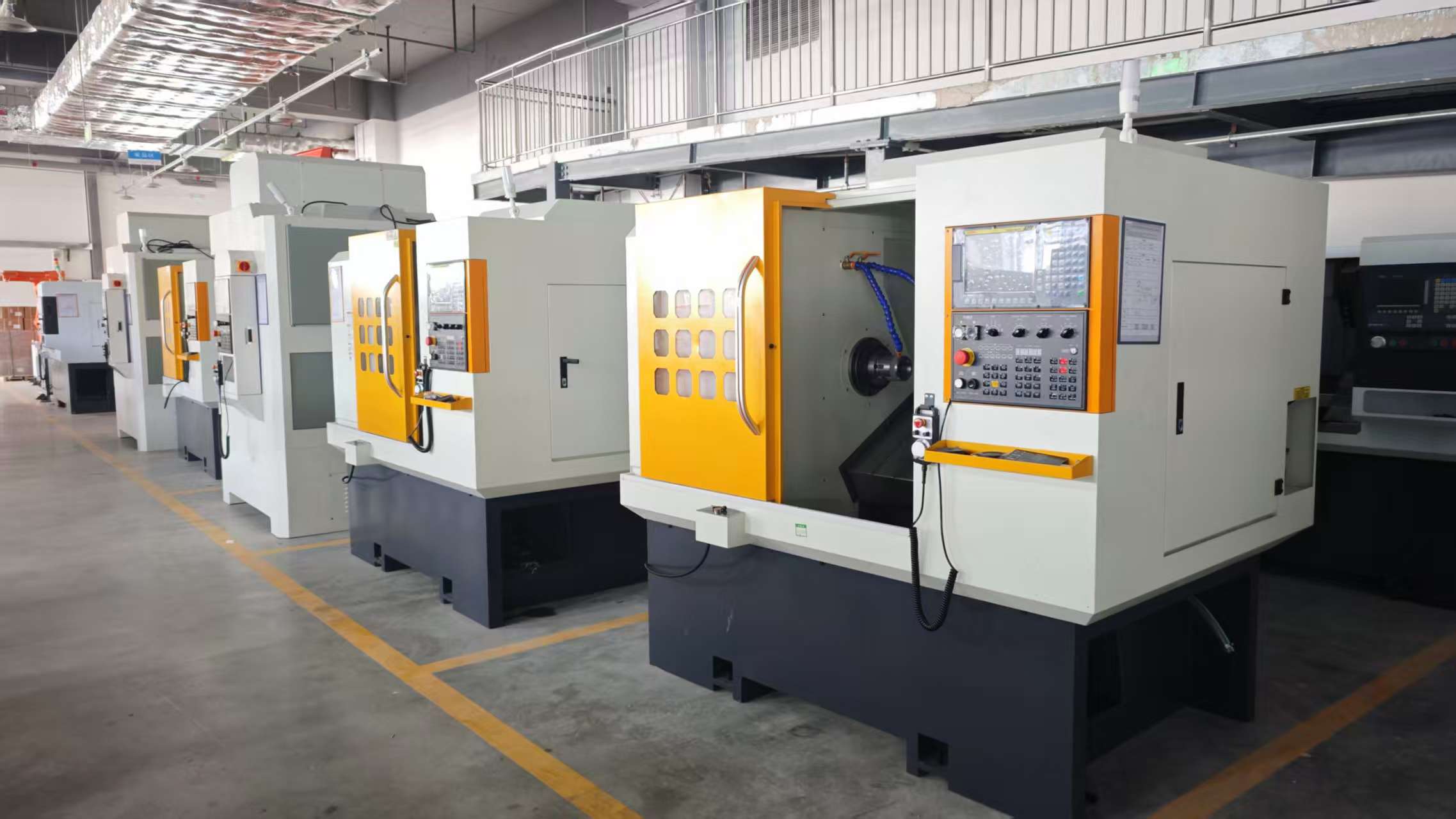
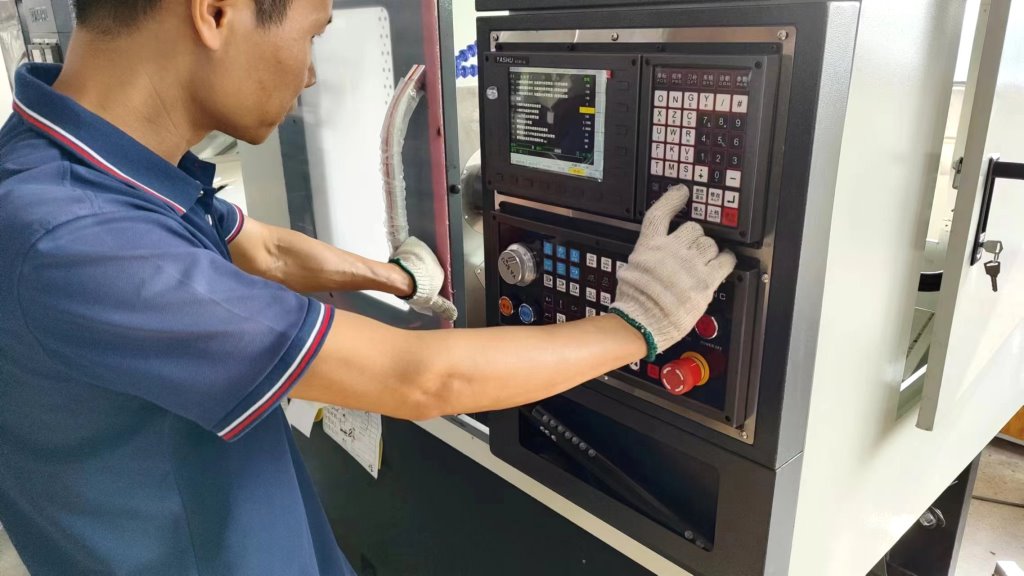
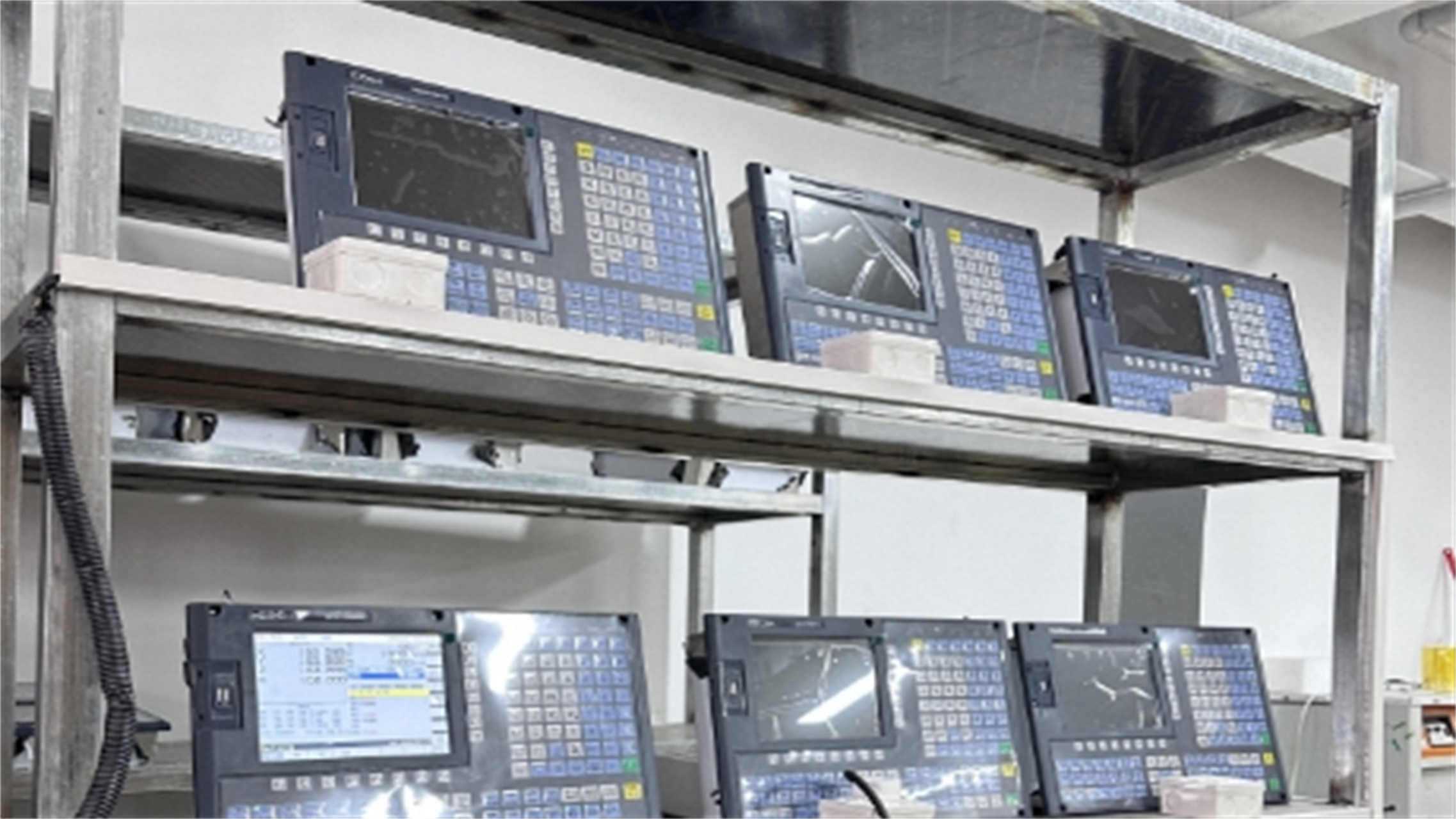
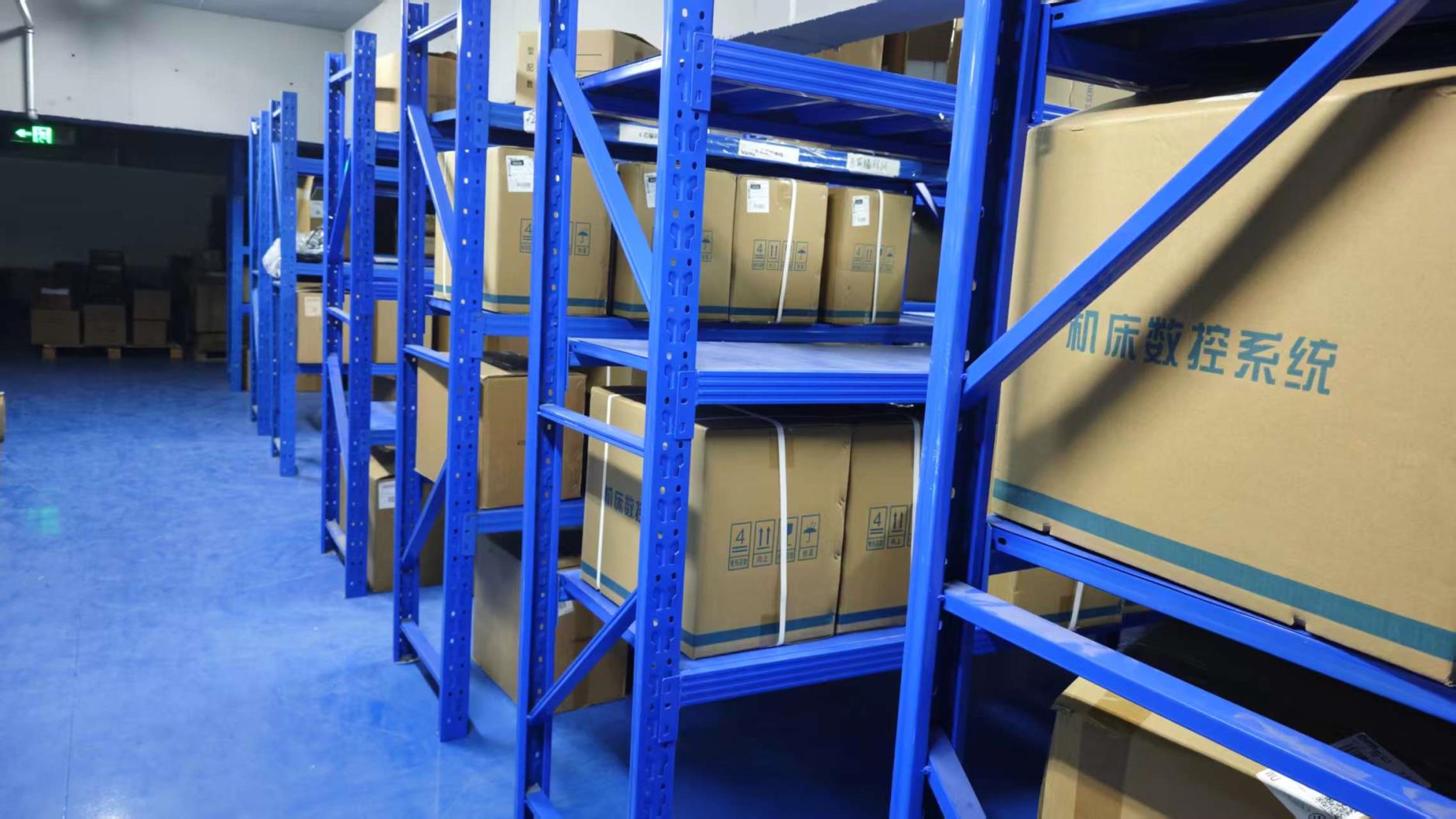
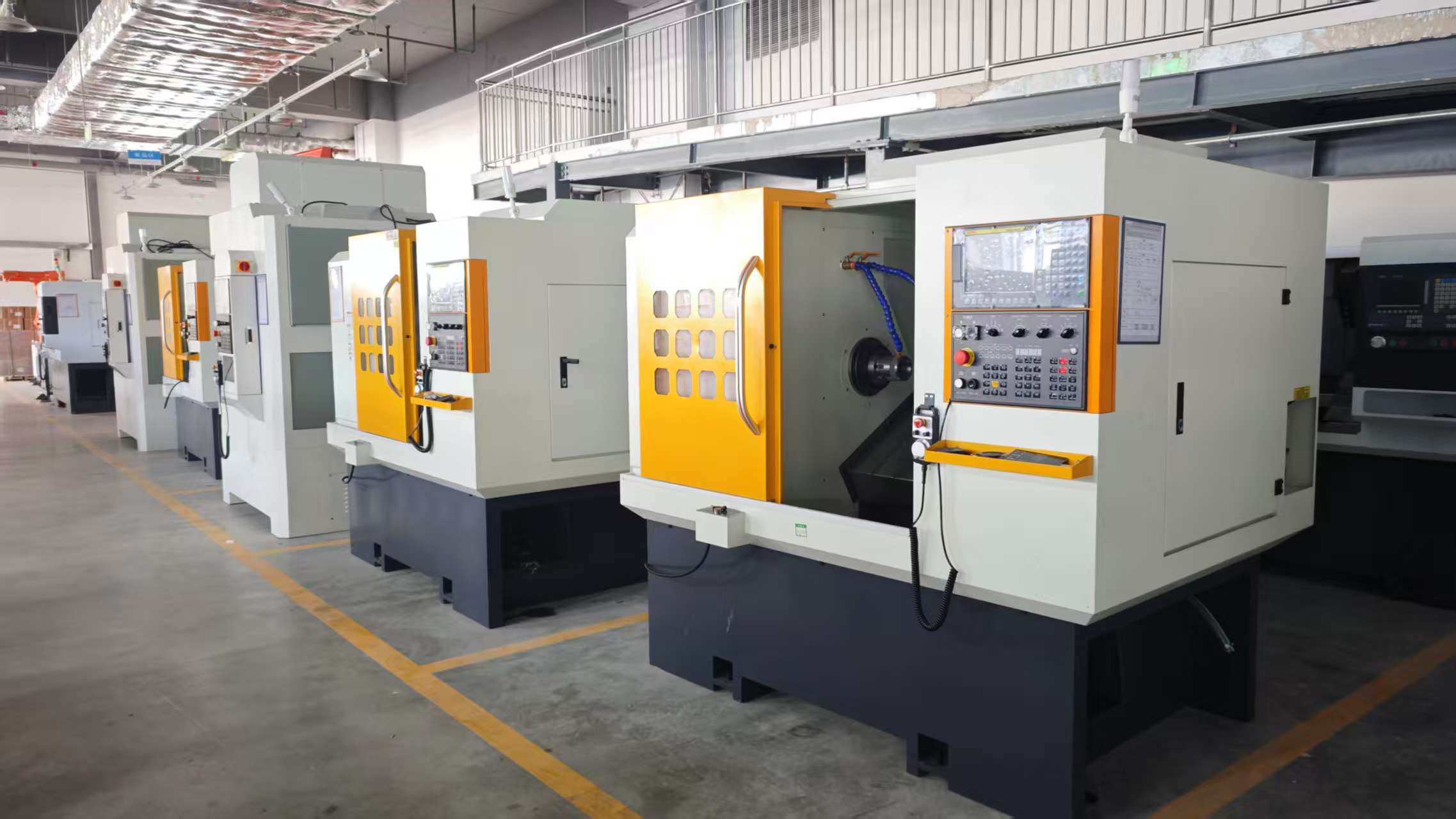
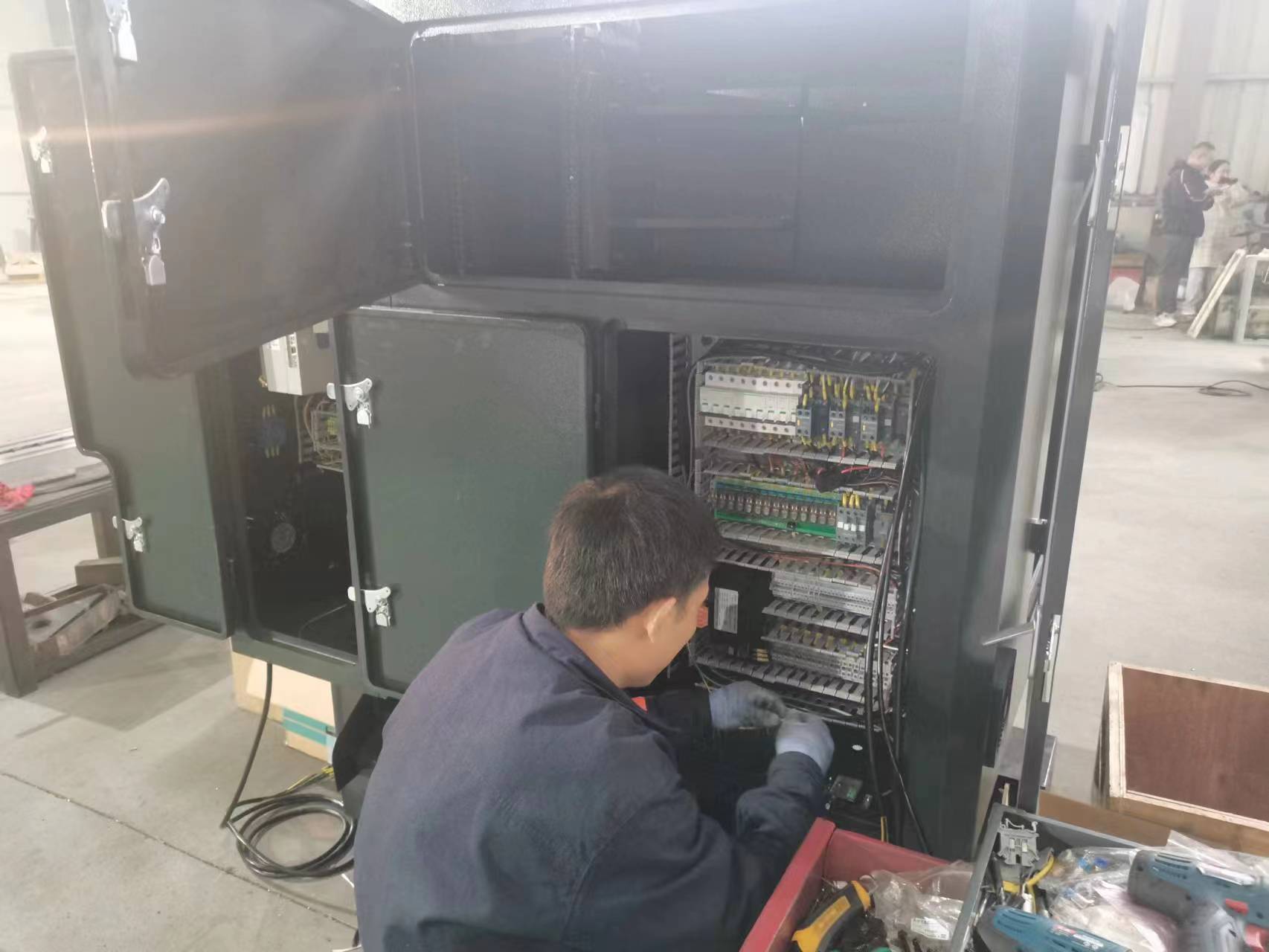
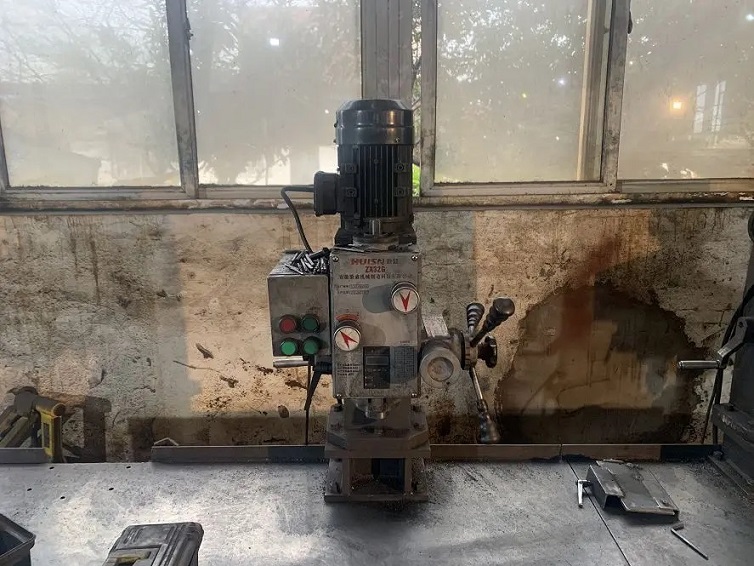
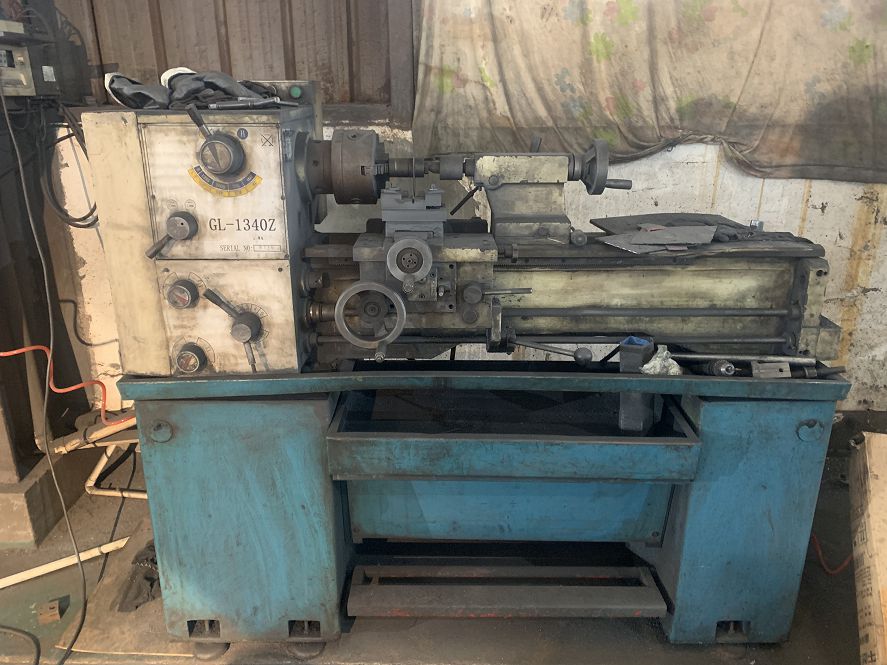
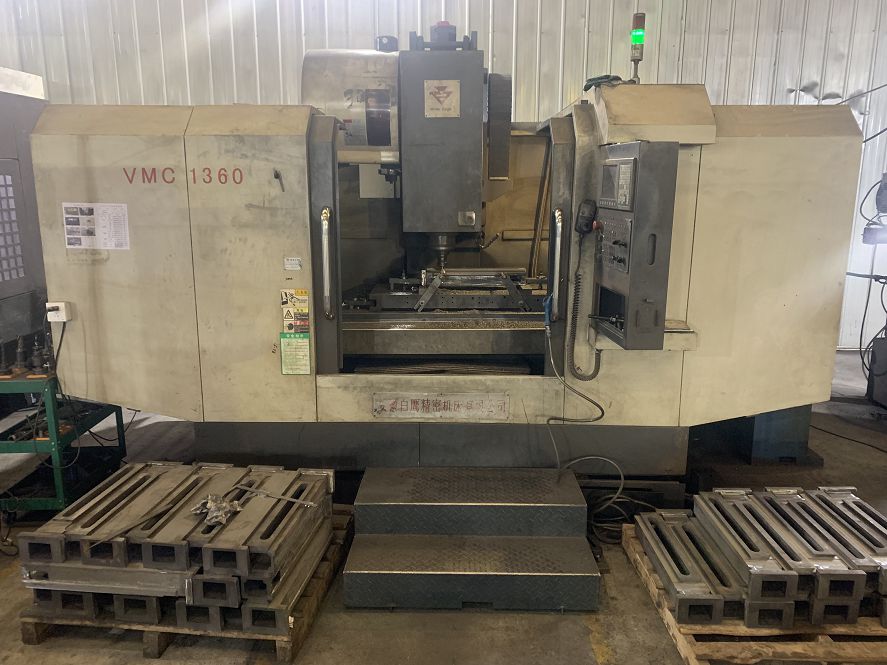
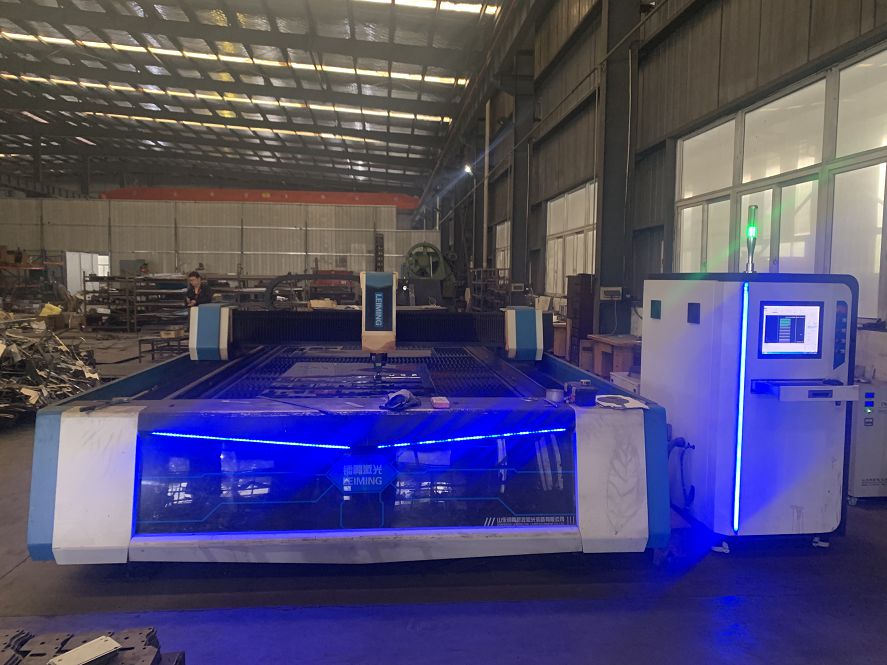
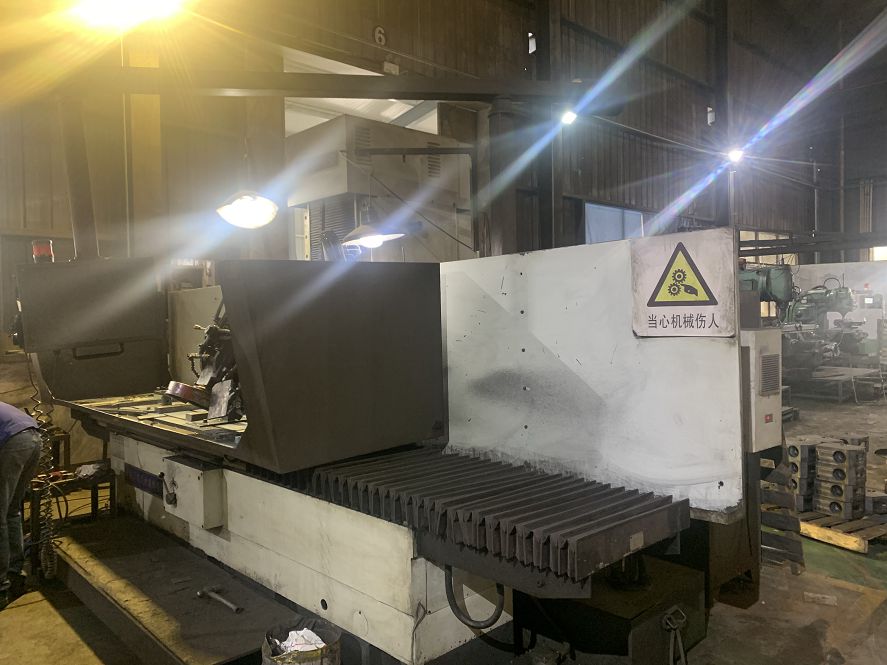
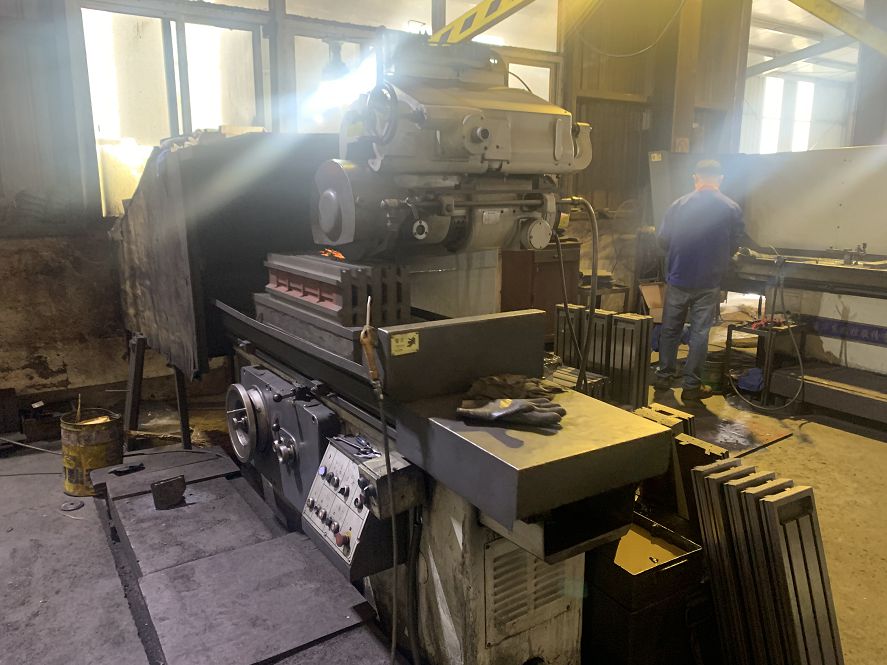
To successfully run a metal forming plant in Cameroon, equipment configurations must address local operational environments. Factors such as electrical supply consistency, structural design preferences, and workforce training require careful planning.
Zhejiang ZRF Spinning Co., Ltd. offers customized engineering solutions tailored for Cameroon factories:
In addition to aluminum pot production, there is an increasing demand for stainless steel cookware in Cameroonian urban centers. The high mechanical resistance of stainless steel (such as Grade 304) demands machines with strong clamping pressures and powerful spindles. ZRF's *dual-spindle CNC metal spinning machines* provide the high spindle torque and rigid roller configurations needed to form thick-walled stainless steel catering pots easily, preventing material cracking and wrinkling.
Providing clear, professional answers to the most common questions raised by industrial procurement managers and factory owners.
Discover the full scope of our automated systems, engineered to support every step of the metal forming process.
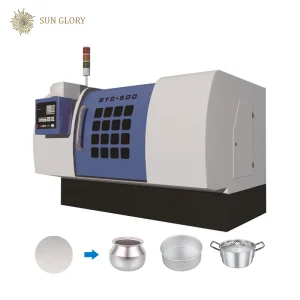
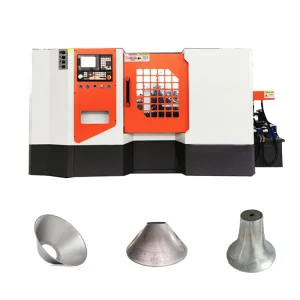
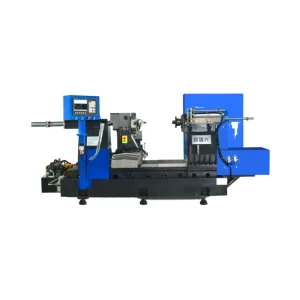
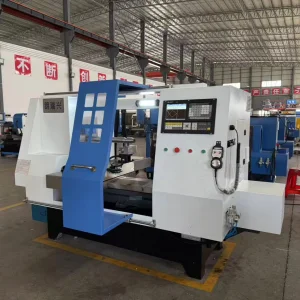
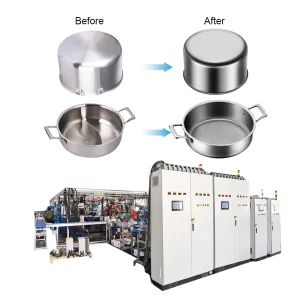
As a high-tech enterprise specializing in the research, development, and manufacturing of CNC spinning machine tools, Zhejiang ZRF Spinning Co., Ltd. has extensive experience and a strong technical foundation in the domestic spinning industry.
Our series of CNC spinning machine tools are widely applied across a variety of industries, including petrochemicals, electronics, daily hardware, food processing machinery, automotive and motorcycle components, pressure vessels, ventilation and environmental protection, defense, and aerospace. The ZRF spinning machine series has reached more than 30 provinces and cities across China and has been exported to over 20 countries and regions worldwide. Our advanced technology, excellent product quality, and comprehensive service system have earned the trust and recognition of users globally.
At Zhejiang ZRF Spinning Co., Ltd., we firmly advocate a philosophy of market-oriented development, research-driven innovation, and technological excellence. We focus on continuous improvement in both product performance and service quality. Our manufacturing process strictly adheres to the ISO9001 quality management system, ensuring reliable, safe, and high-quality products.
 ZRF Spinning