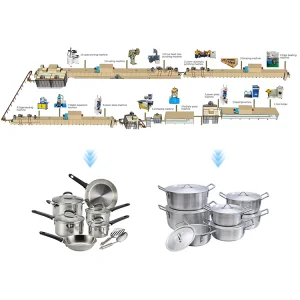
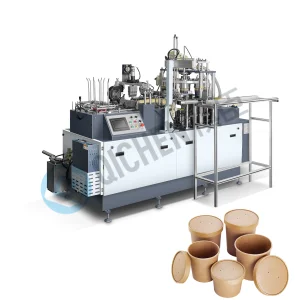
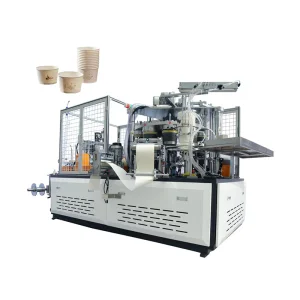
Premium grade automatic spinning equipment configurations designed for immediate integration into Central Asian cookware and industrial manufacturing facilities.
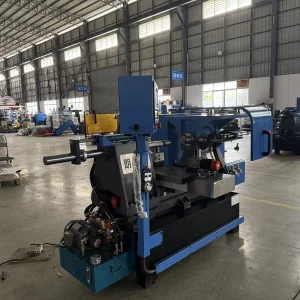
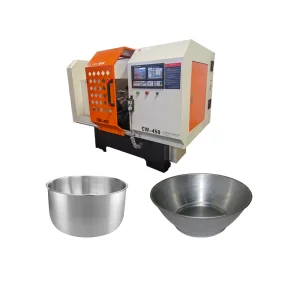
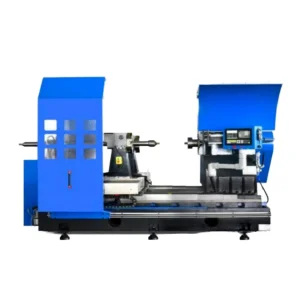
Uzbekistan is undergoing a massive industrial renaissance. Driven by national economic reform strategies, localization policies, and a young, dynamic workforce, local enterprises in Tashkent, Fergana, Namangan, and Samarkand are transitioning from simple imported hardware assembly to full-cycle domestic manufacturing. The metalware sector—specifically the production of aluminum, copper, and stainless steel cookware, pots, bowls, and household utensils—stands at the forefront of this industrial shift.
For decades, the domestic market in Central Asia relied heavily on imported cookware products from Turkey, China, and Russia. Today, however, the establishment of Free Economic Zones (FEZs) like Navoi, Angren, and Technopark Tashkent has created a strong incentive for local production. To succeed in this competitive landscape, manufacturers must overcome challenges related to raw material yield, labor costs, consistency in product wall thickness, and high energy costs. This is where Automatic Cookware Pot & Bowl Spin Forming Lines act as a pivotal technology, replacing traditional manual stamping or hydraulic drawing with highly efficient, CNC-controlled shear spinning techniques.
Traditional cookware production relies heavily on deep drawing hydraulic presses. While pressing is efficient for simple geometries, it demands expensive tooling (dies), creates significant scrap metal waste, and causes material thinning at critical stress points, such as the bottom radius of the pot. CNC metal spin forming, by contrast, relies on a localized roller feed that progressively flows the metal over a mandril. This technique offers key advantages:
Our specialized spin forming machinery line utilizes multi-roller configurations to distribute the metal evenly, guaranteeing zero structural micro-cracks and maintaining uniform wall thickness. This is particularly crucial for manufacturing heavy-gauge aluminum pots, traditional Central Asian cooking vessels, and premium stainless steel cookware sets.
| Parameters | Traditional Hydraulic Pressing | ZRF CNC Spin Forming Line | Manual Metal Lathe Spinning |
|---|---|---|---|
| Initial Tooling / Mold Cost | Extremely High (Custom steel dies required for each size) | Very Low (Simple wood, resin or cast-iron mandrels) | Low (Wooden or steel block mandrels) |
| Material Savings (Scrap Rate) | High scrap (Requires blank holder margin) | Minimal scrap (Near 100% net shape forming) | Variable (High human error scrap rate) |
| Structural Integrity of Cookware | Moderate (Thinning at corners, high residual stress) | Excellent (Strain-hardened structure, smooth grain flow) | Inconsistent (Highly dependent on operator skill) |
| Production Safety | High risk if manual loading is used | Fully enclosed, robotic integration ready | High risk (Manual tool manipulation) |
| Adaptability to Customization | Poor (Re-tooling takes weeks) | Excellent (CNC code adjustments take minutes) | High (But slow and inconsistent) |
Uzbekistan's culinary culture and industrial landscape demand highly specific machine configurations:
A leading high-tech enterprise specializing in the research, development, and manufacturing of state-of-the-art CNC spinning machine tools.
As a high-tech enterprise specializing in the research, development, and manufacturing of CNC spinning machine tools, Zhejiang ZRF Spinning Co., Ltd. has extensive experience and a strong technical foundation in the domestic spinning industry. Our series of CNC spinning machine tools are widely applied across a variety of industries, including petrochemicals, electronics, daily hardware, food processing machinery, automotive and motorcycle components, pressure vessels, ventilation and environmental protection, defense, and aerospace.
The ZRF spinning machine series has reached more than 30 provinces and cities across China and has been exported to over 20 countries and regions worldwide, including active installations in Uzbekistan's growing industrial centers. Our advanced technology, excellent product quality, and comprehensive service system have earned the trust and recognition of users globally.
At Zhejiang ZRF Spinning Co., Ltd., we firmly advocate a philosophy of market-oriented development, research-driven innovation, and technological excellence. We focus on continuous improvement in both product performance and service quality. Our manufacturing process strictly adheres to the ISO9001 quality management system, ensuring reliable, safe, and high-quality products. Over the years, we have established long-term cooperative relationships with many leading domestic and international enterprises.
Our core mission and values:
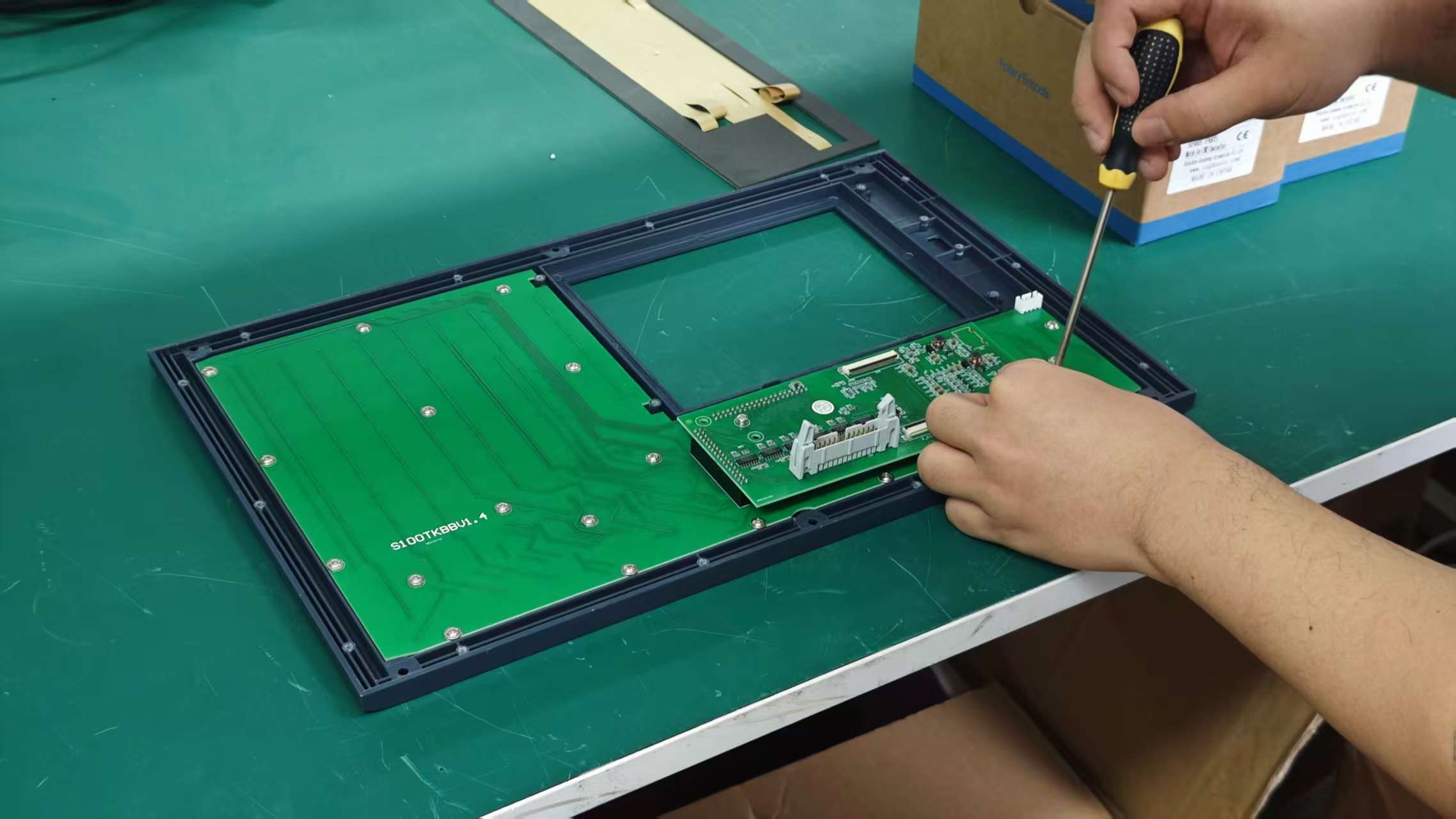
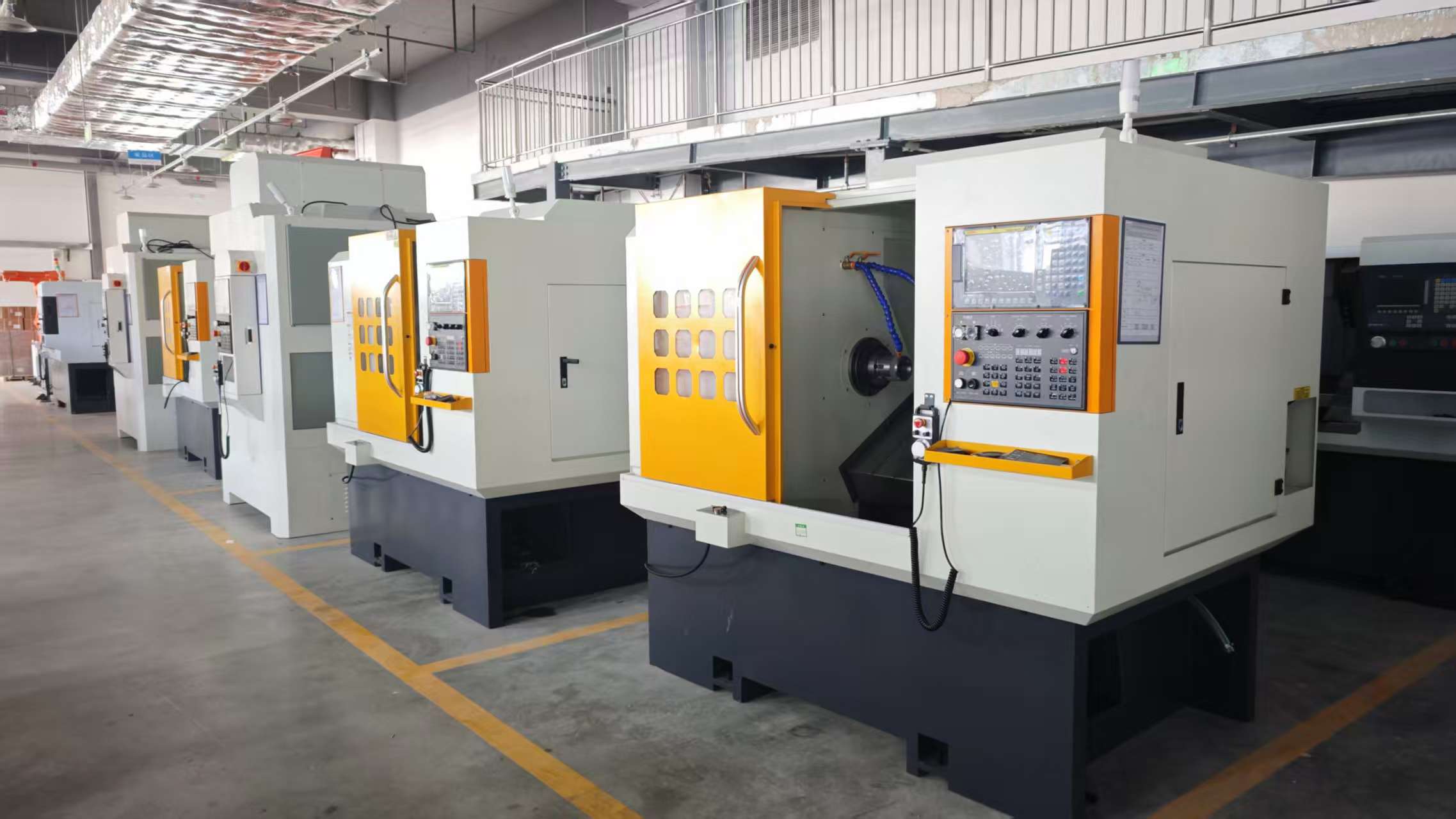
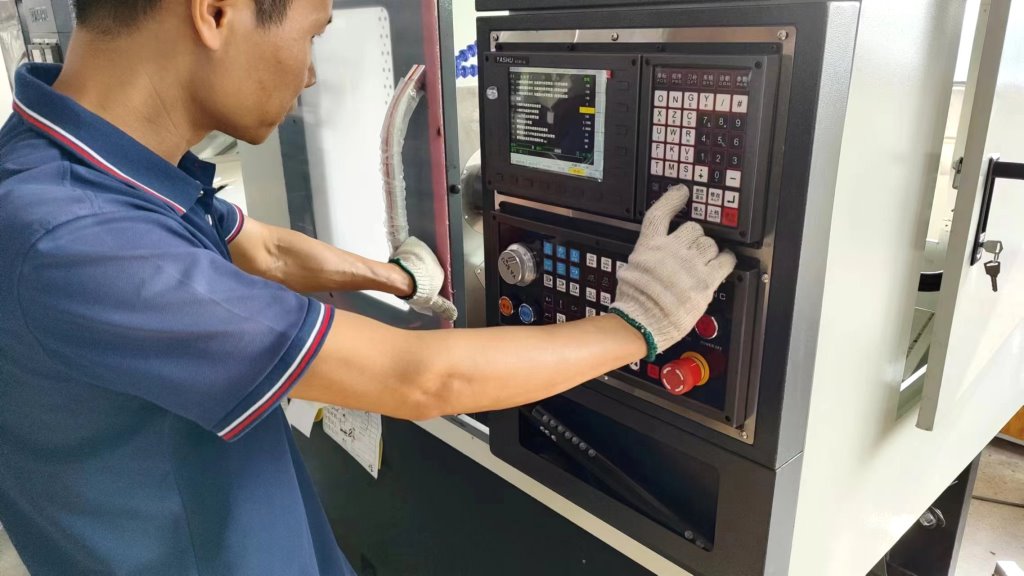
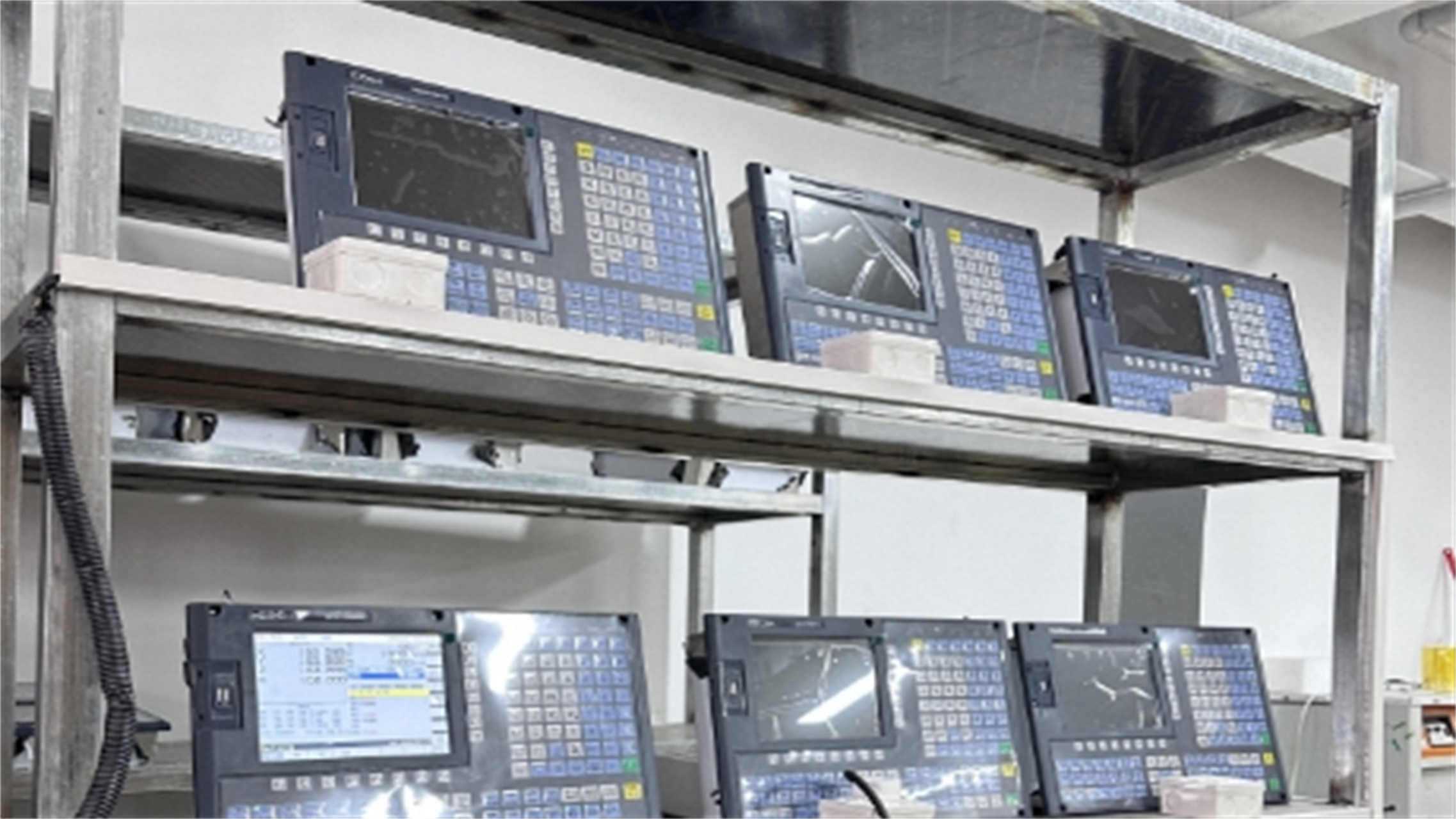
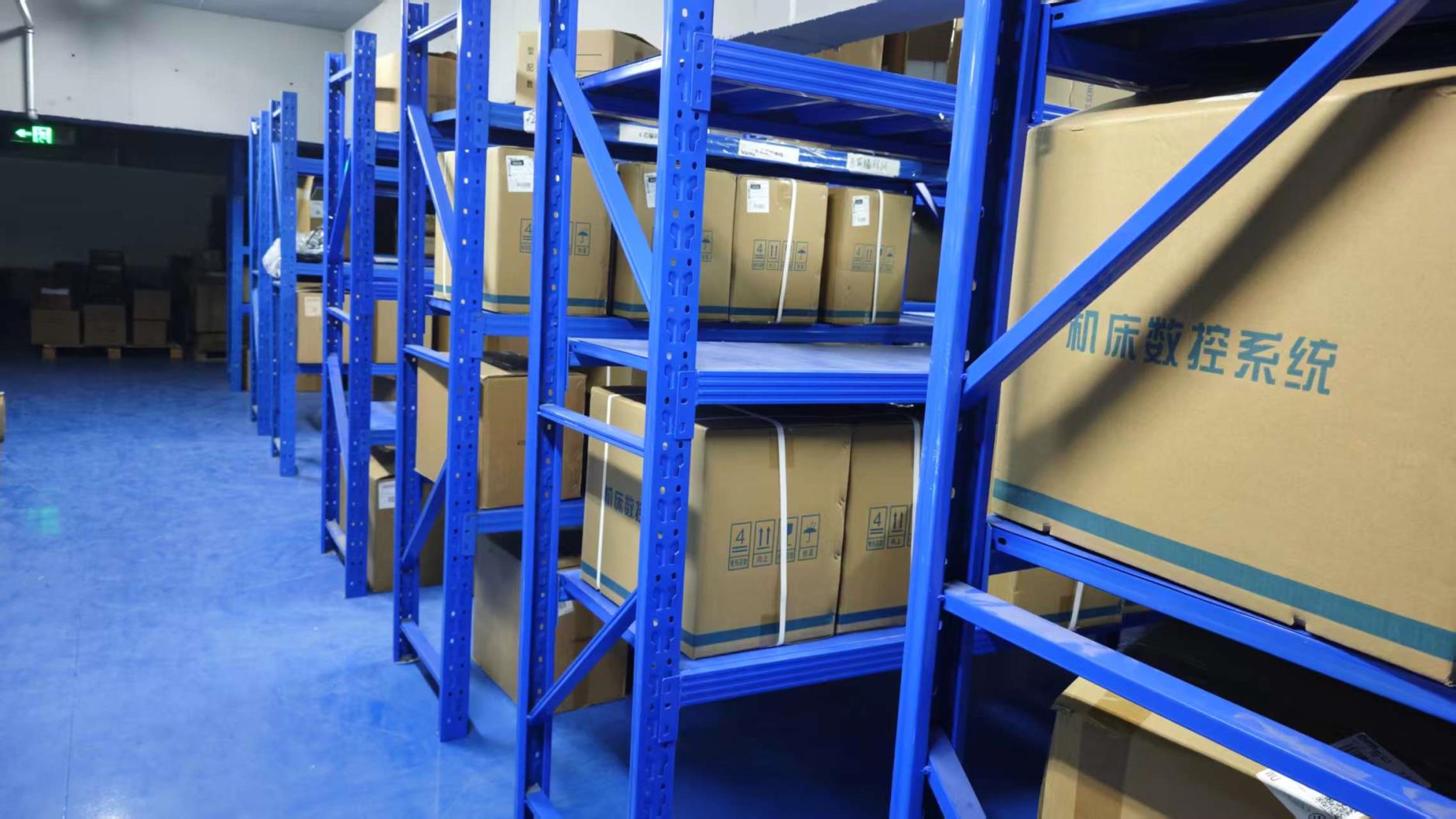
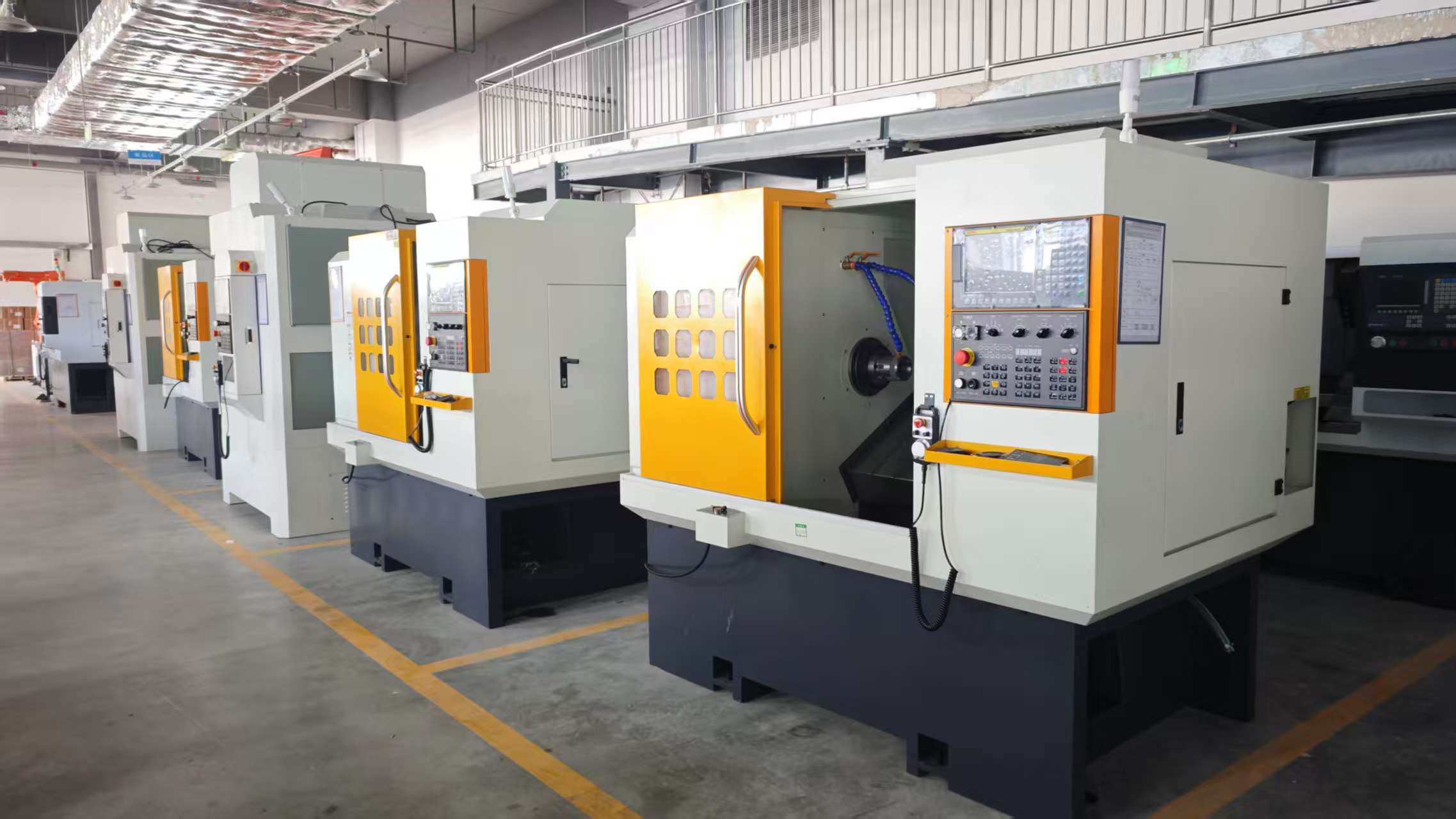
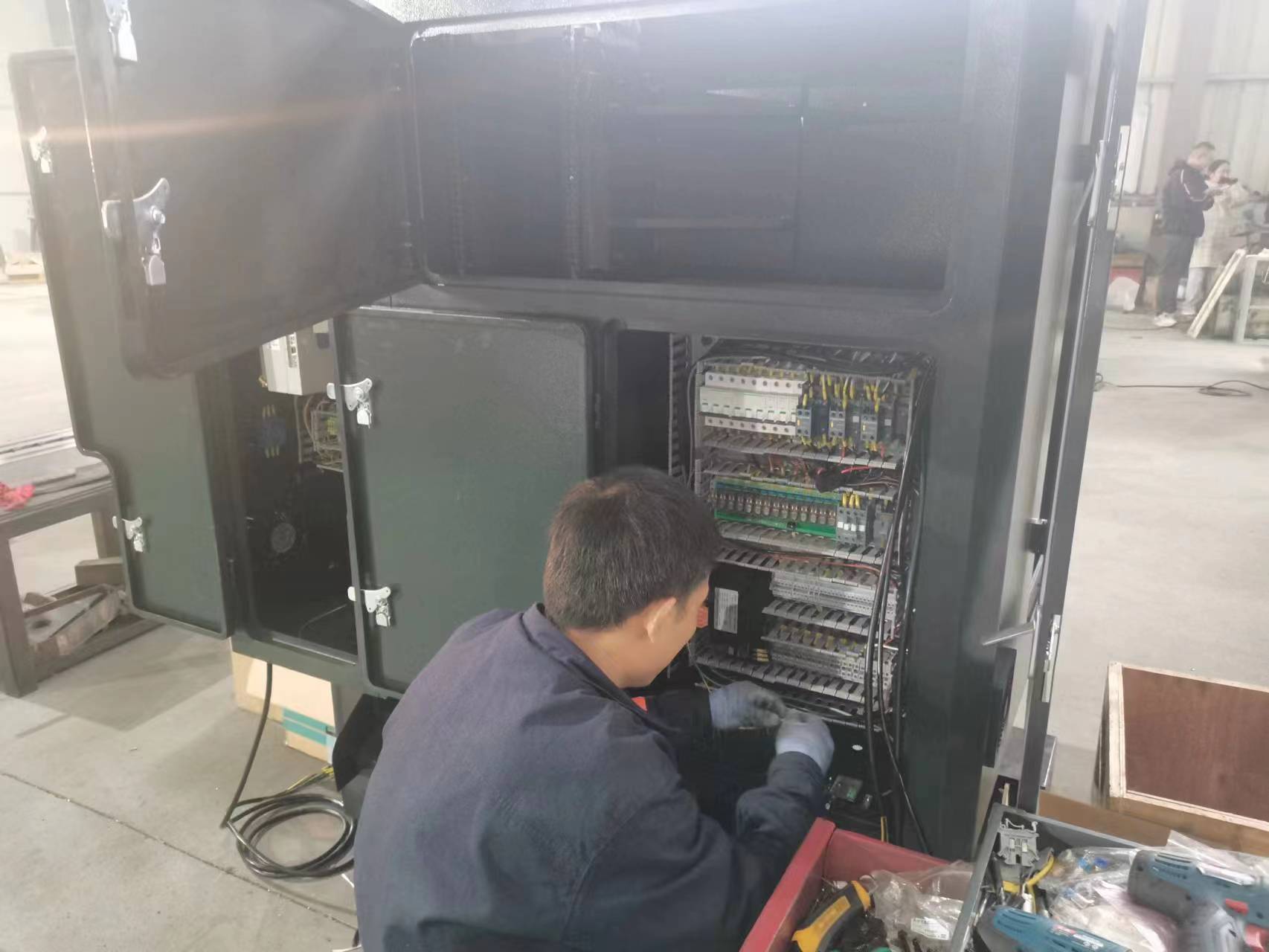
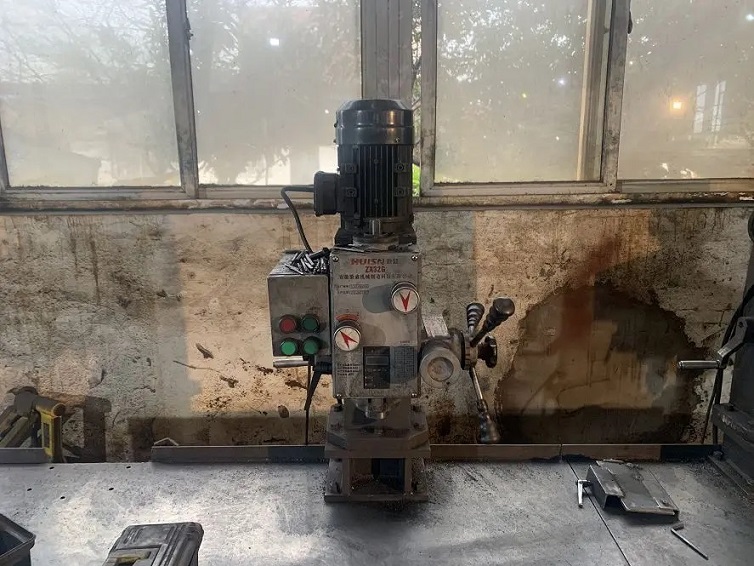
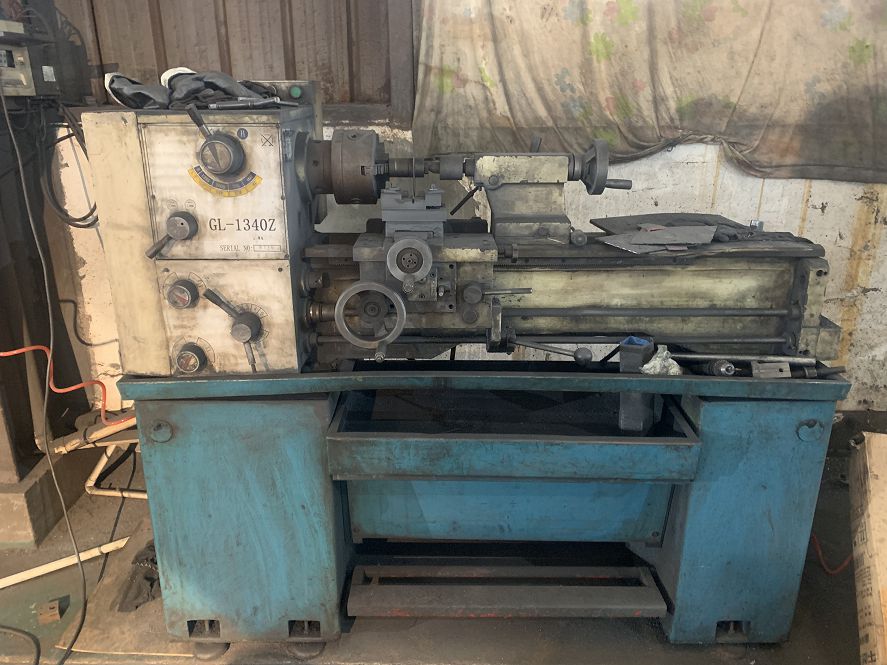
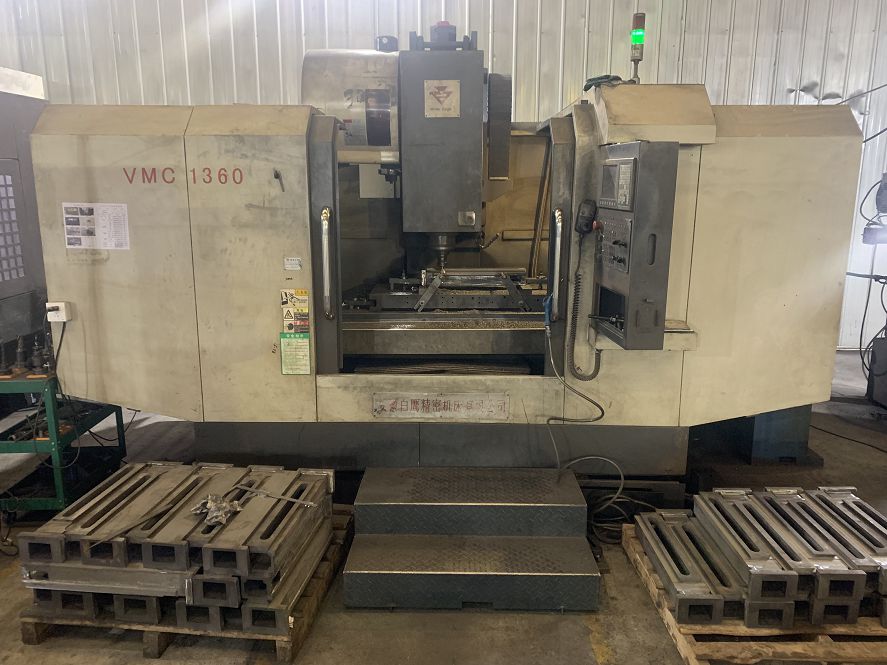
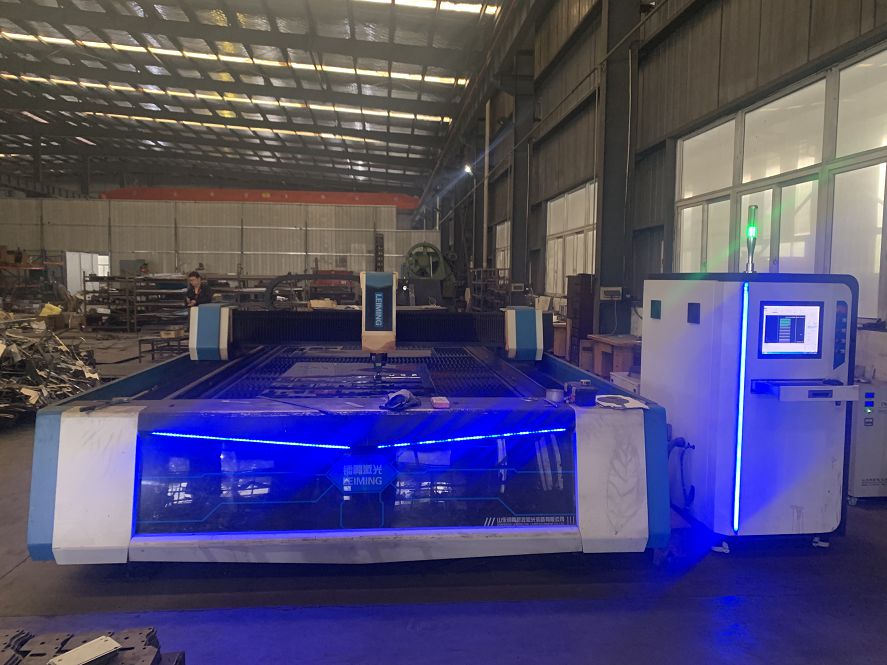
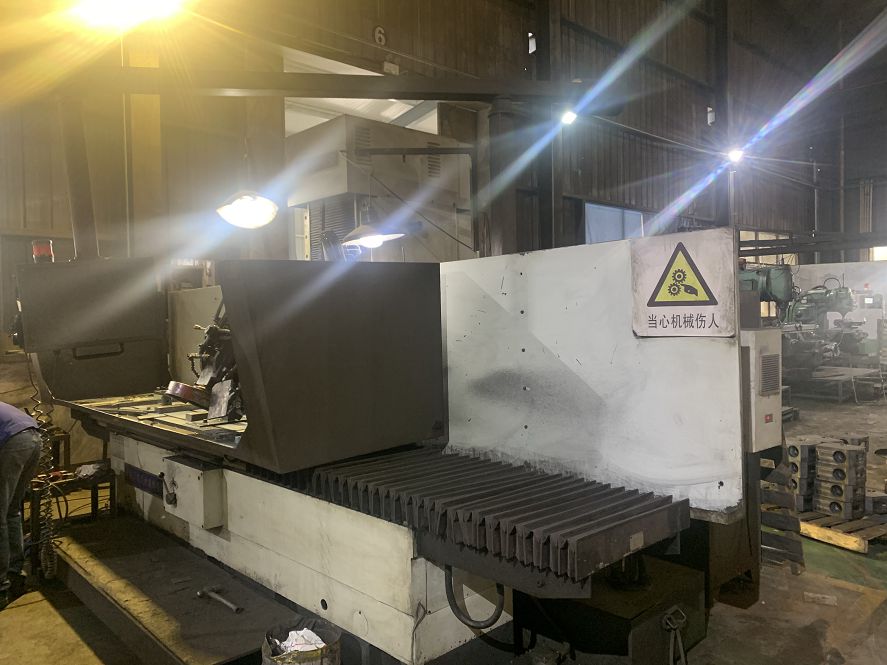
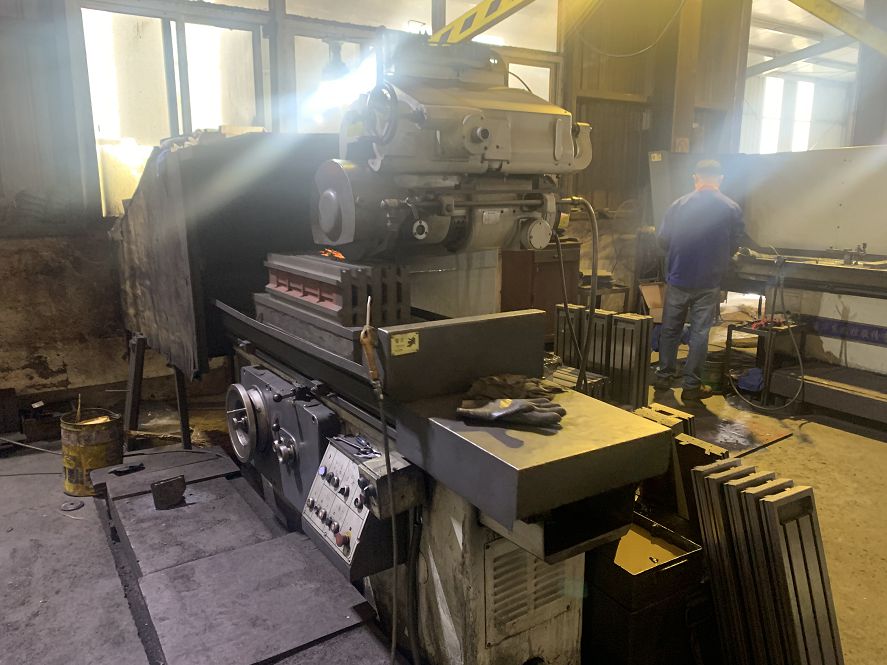 Universal Grinding Machine Station: Maintaining micro-level finish requirements on tooling and spinning rollers.
The metal spinning industry is transitioning toward full automation and Industry 4.0 integration. The future of cookware production lines does not rest solely on isolated spinning machinery. Instead, the focus is on highly cohesive, networked systems.
At ZRF, our technological roadmap integrates three critical automation pillars:
Multi-axis articulated arm loaders manage blank feed, lubrication, and post-spin transfer to polishing units, ensuring 100% human-free interaction.
Real-time laser and ultrasonic sensors measure pot wall thickness dynamically, automatically adjusting roller pressure to counter raw sheet variation.
Regenerative frequency drives feed energy back into the factory grid during mandrel deceleration, reducing electrical consumption by up to 22%.
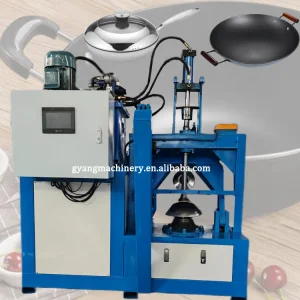
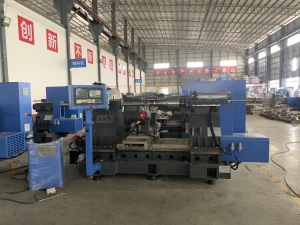
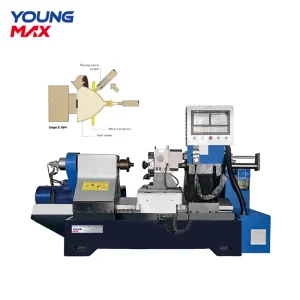
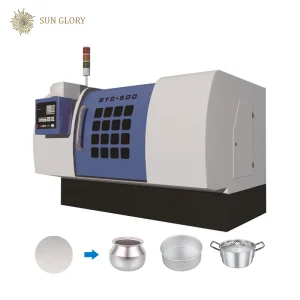
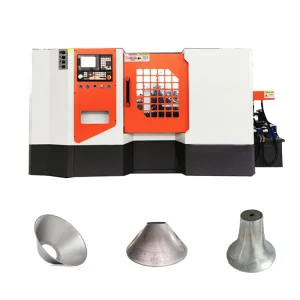
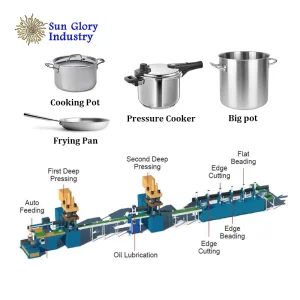
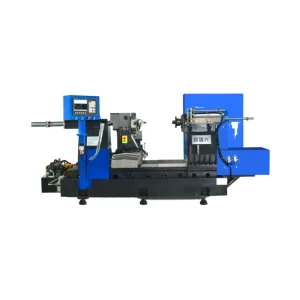
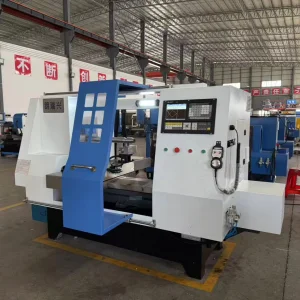
Explore our complete system range including single automatic machines, copper forming stations, and post-forming rotary table polishing solutions.
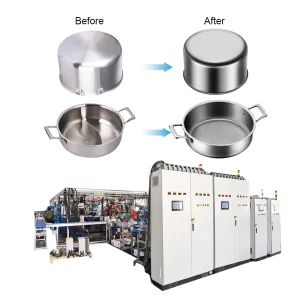
Critical engineering and logistics questions answered for companies seeking to export and establish spin forming lines in Uzbekistan.
Yes. All our machinery exports to Central Asia are custom configured. We fit systems with localized high-efficiency motors designed for 380V/50Hz 3-phase systems, complete with voltage fluctuation surge protection. This avoids CNC failure common with grid drops.
We provide a comprehensive package that includes full on-site installation, machine calibration, and hands-on operational training. Our programs train local operators in tooling changeovers, CNC G-code programming, and basic hydraulic/electrical preventative maintenance. Online remote diagnostic systems are also fitted to allow real-time support from our technical HQ.
We have established freight partnerships specializing in logistics to Central Asia. Most shipments travel via secure rail or heavy road transport from Lianyungang or Xi'an direct to Tashkent or primary custom hubs, complete with CE certificates, localized documentation, and customs compliance paperwork to facilitate smooth clearances.
Due to significant material savings, reduced reliance on imports, and tax exemptions within special economic zones, most manufacturers achieve full ROI on their ZRF automatic lines within 14 to 20 months.
 ZRF Spinning