The Advanced Battery Management Systems (BMS) market is projected to reach USD 24.8 billion by 2030. As the world pivots toward Electrification (EVs) and Renewable Energy Storage (BESS), the demand for high-precision manufacturing of BMS enclosures and components has skyrocketed.
Modern BMS are no longer just safety switches; they are AI-driven platforms managing State of Charge (SoC), State of Health (SoH), and State of Power (SoP) with millivolt accuracy to extend battery life by up to 30%.
Supplying the BMS industry requires elite CNC capabilities. Companies like Zhejiang ZRF Spinning Co., Ltd provide the foundational metalwork—spinning cooling jackets, pressure vessels, and aerospace-grade enclosures that protect these delicate electronic brains.
The evolution of BMS technology follows a trajectory from basic protection to predictive intelligence. This roadmap is crucial for exporters and suppliers looking to maintain a competitive edge.
| Generation | Key Features | Applications | Manufacturing Requirement |
|---|---|---|---|
| Gen 1: Passive | Voltage monitoring, fuse protection, resistor-based balancing. | Consumer electronics, simple power tools. | Standard die-casting. |
| Gen 2: Active | Energy redistribution, thermal management, CAN-bus integration. | Electric Vehicles (EV), PHEVs. | Precision CNC milling. |
| Gen 3: Intelligent | Cloud-connected, AI predictive aging, wireless BMS (wBMS). | Smart Grids, Tesla-scale BESS. | Aerospace-grade spinning & 5-axis CNC. |
Most SEO guides focus solely on software. However, true "Information Gain" lies in understanding that Thermal Runaway is often a mechanical failure. Advanced BMS suppliers now require "Active Cooling Housings" manufactured through CNC Metal Spinning to ensure seamless heat dissipation. This is where high-tech machine tool manufacturers bridge the gap between electronics and industrial safety.
Reliability Standard
Operating Range
Safety Integrity Level
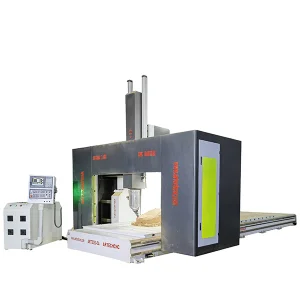
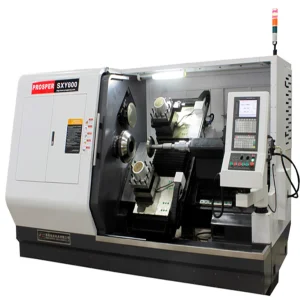
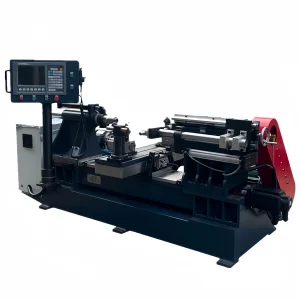
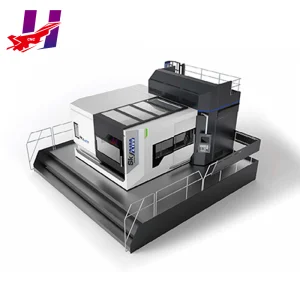
As a high-tech enterprise specializing in the research, development, and manufacturing of CNC spinning machine tools, Zhejiang ZRF Spinning Co., Ltd. provides the backbone for global energy infrastructure. Our technology is essential for creating the pressure vessels and ventilation components used in large-scale Battery Energy Storage Systems (BESS).
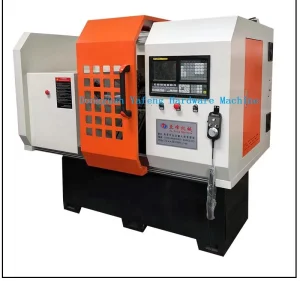
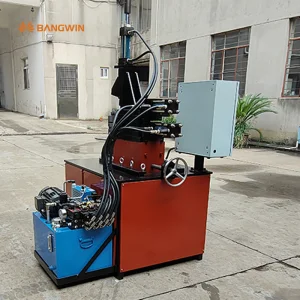
Our series of CNC spinning machine tools are widely applied across industries including petrochemicals, electronics, automotive, defense, and aerospace. The ZRF spinning machine series has reached more than 30 provinces and cities across China and has been exported to over 20 countries worldwide.
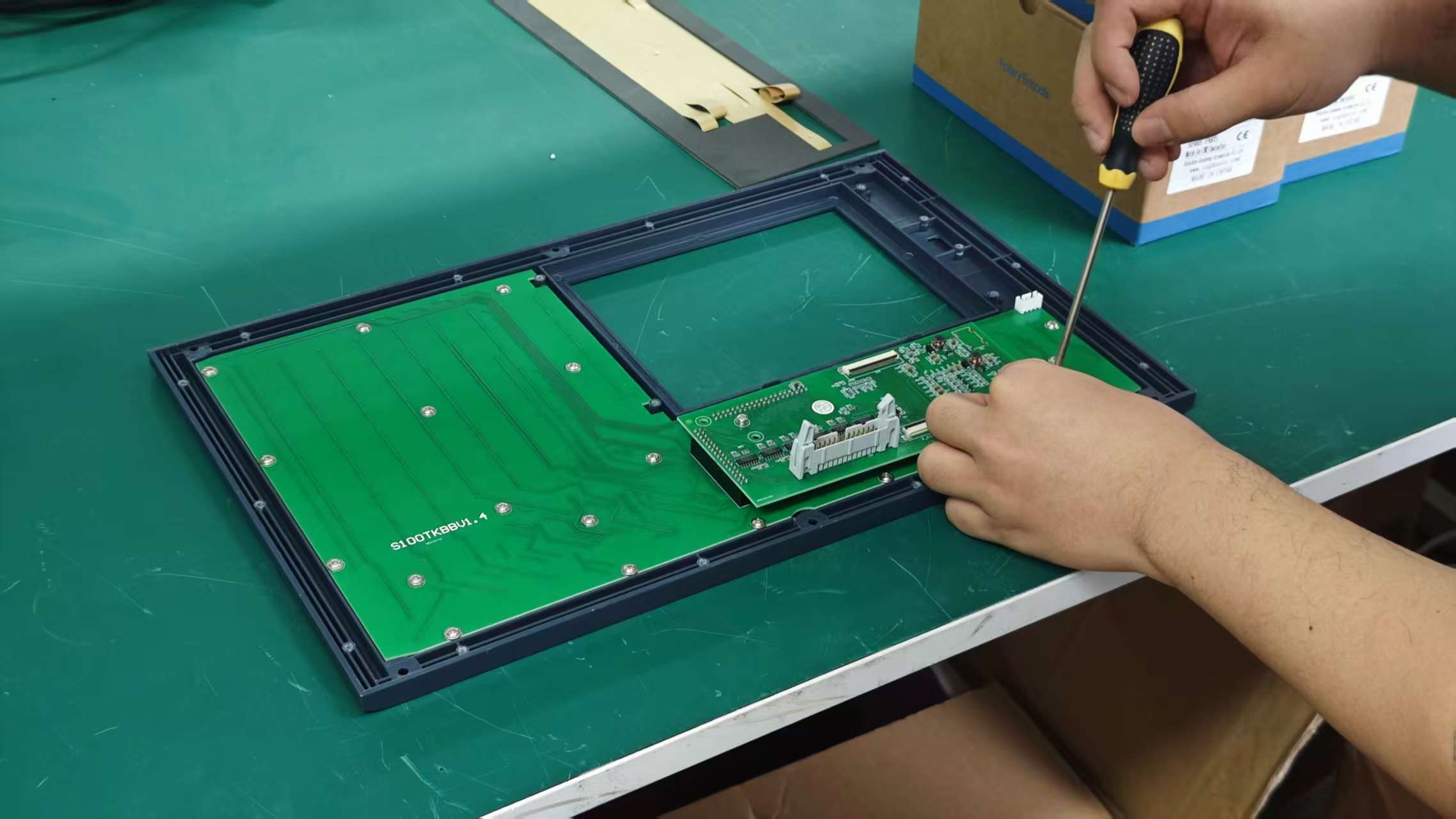
BMS solutions focused on "Self-Heating" protocols. Hardware must include vacuum-insulated spinning jackets produced by CNC machines to maintain electrolyte fluidity.
Focus on anti-corrosive coatings and "Hermetic Sealing." Exporters must ensure IP67 or IP69K ratings for all BMS control units.
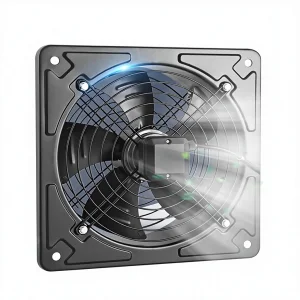
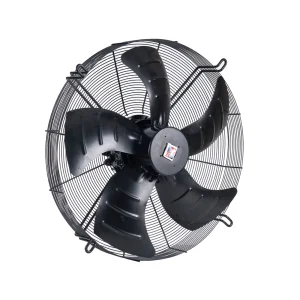
Addressing air density changes for cooling. Using industrial axial fans (like our EC High-Speed 550mm series) is critical for forced-air BMS cooling.
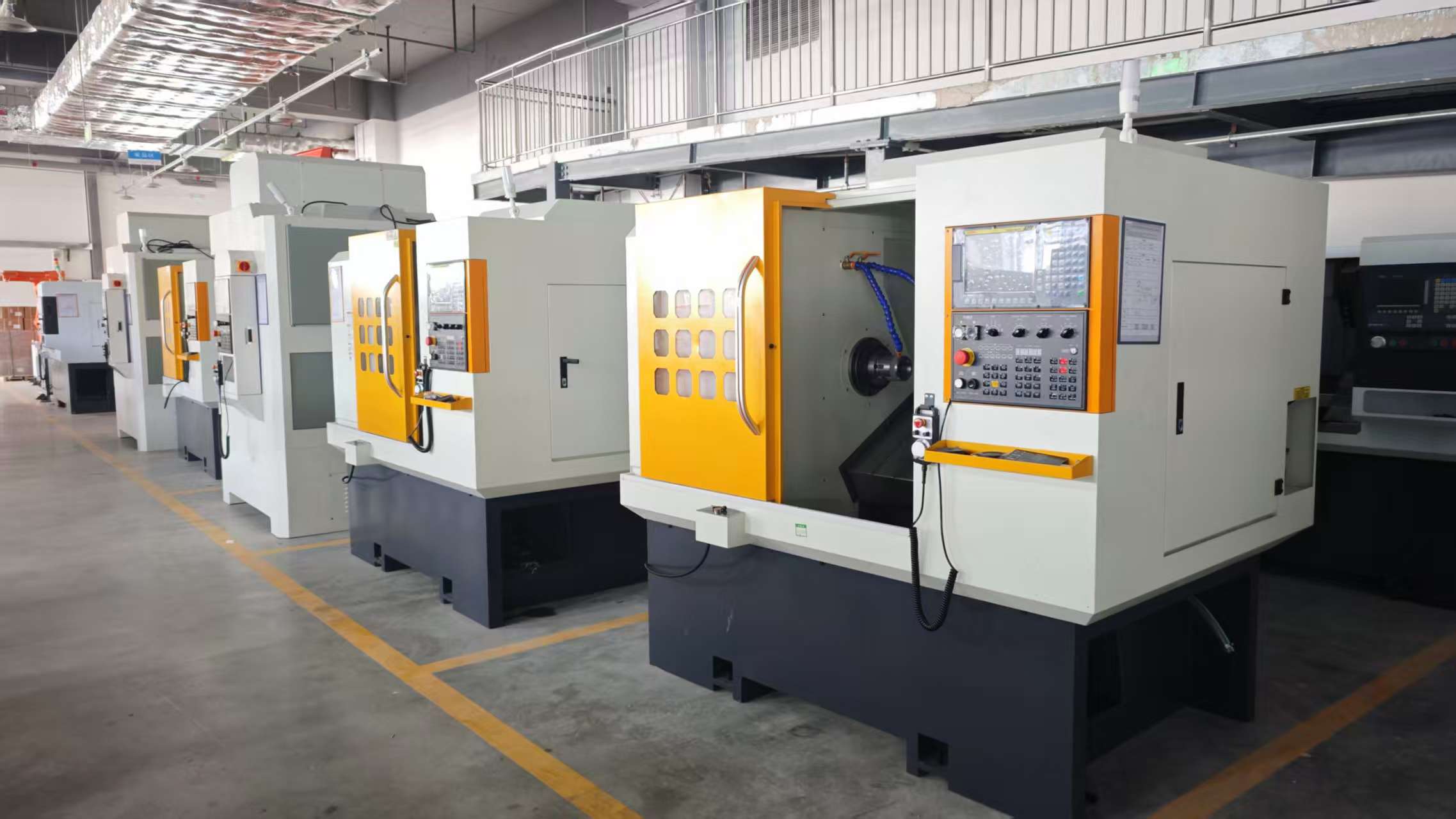
General Assembly
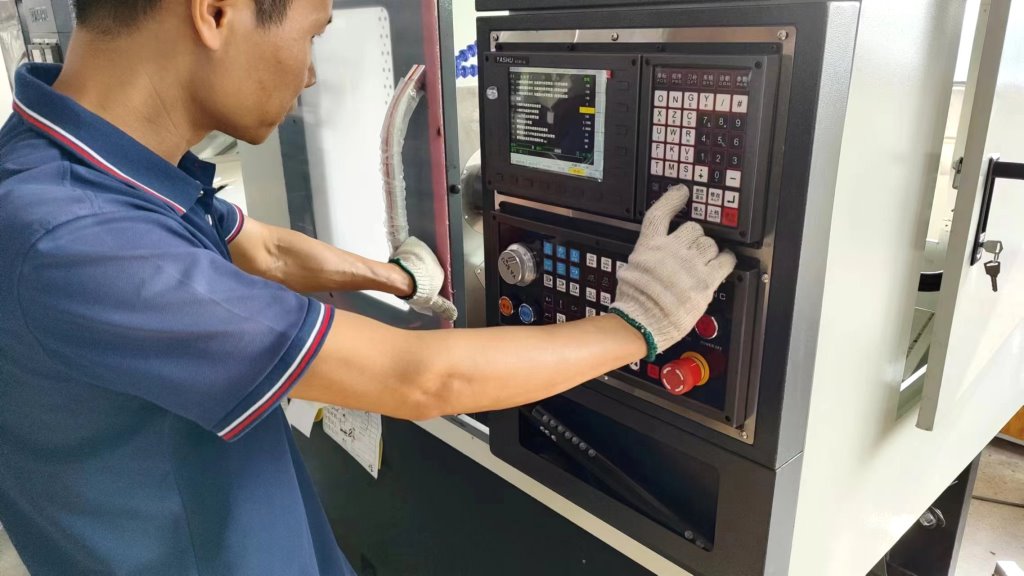
System Debugging
Aging & Stress Testing
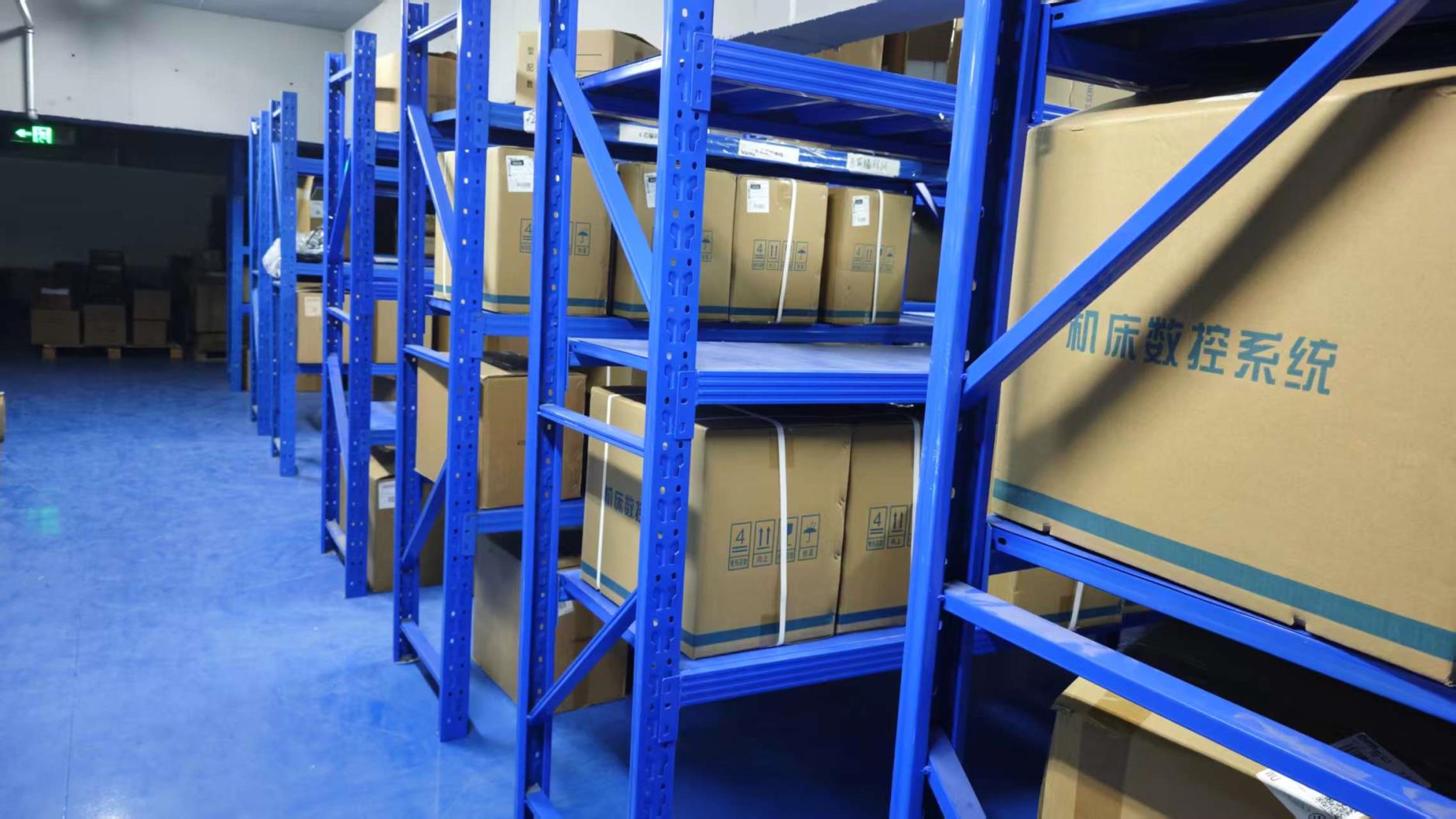
Storage & Logistics
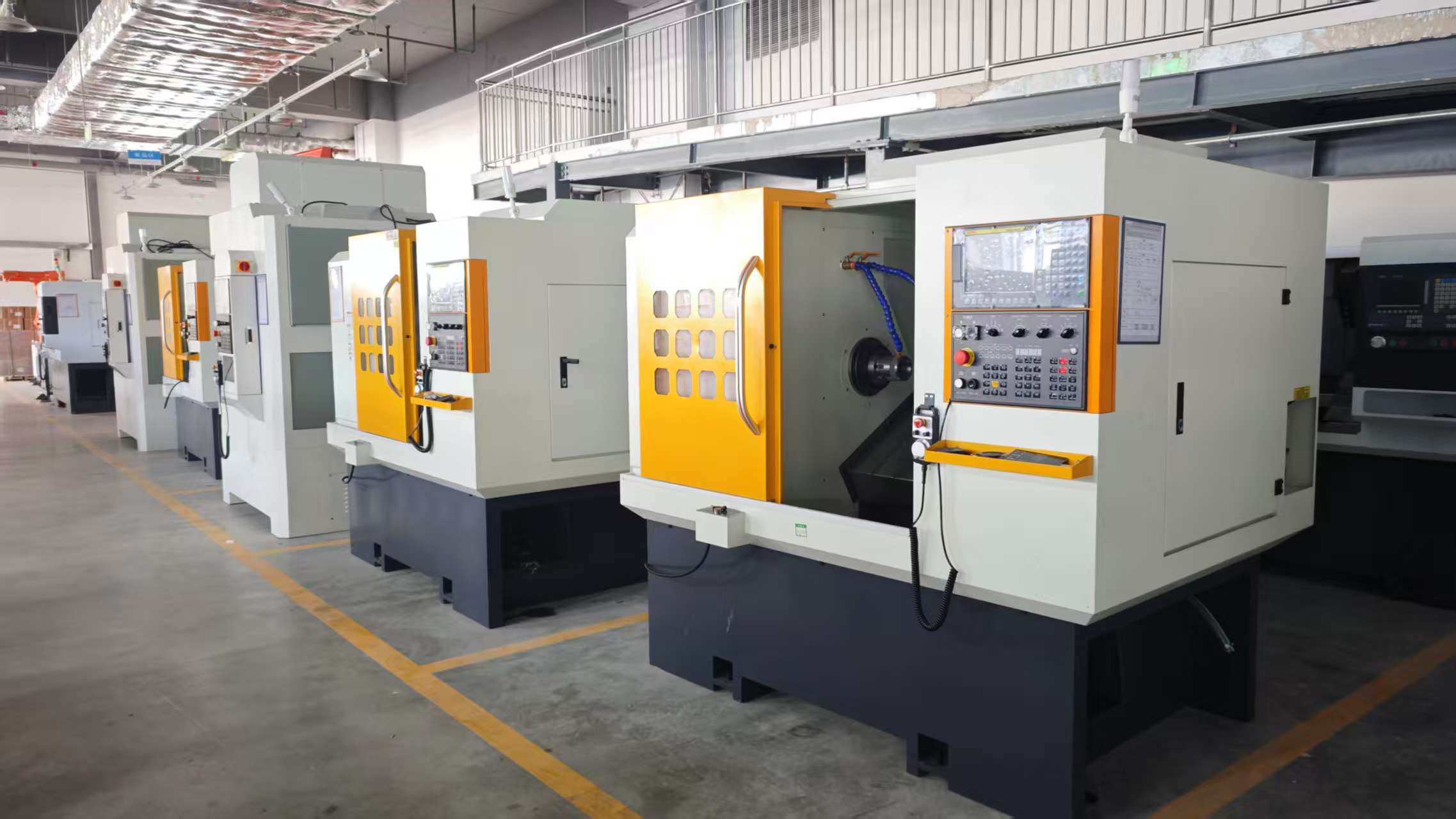
Assembly Line Efficiency
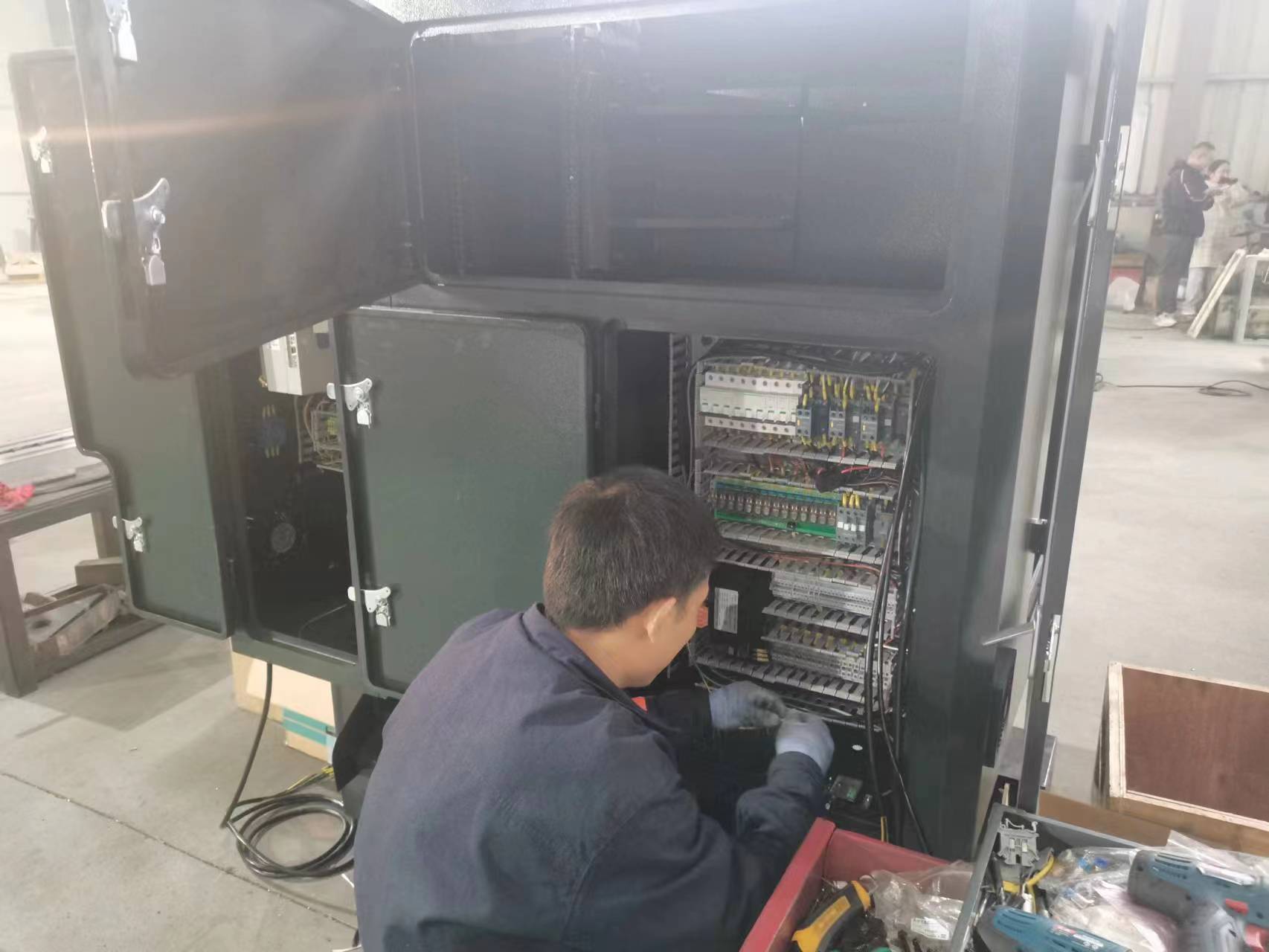
Precision Testing
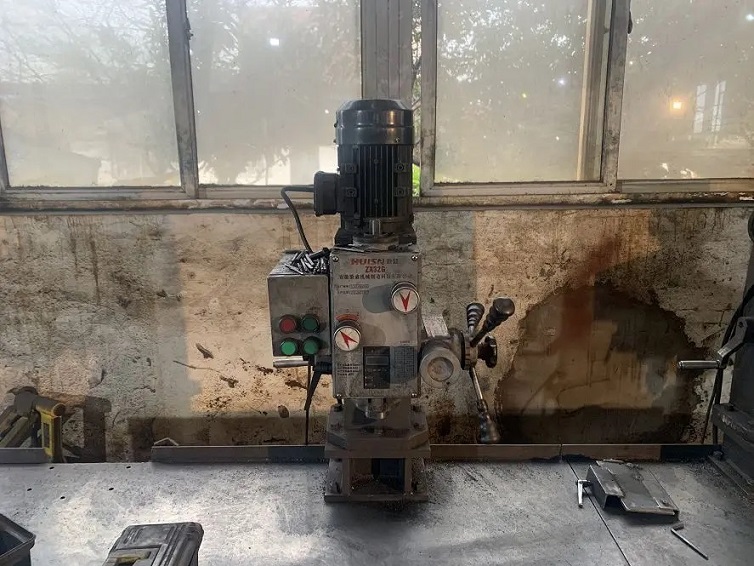
Milling and Drilling Machine
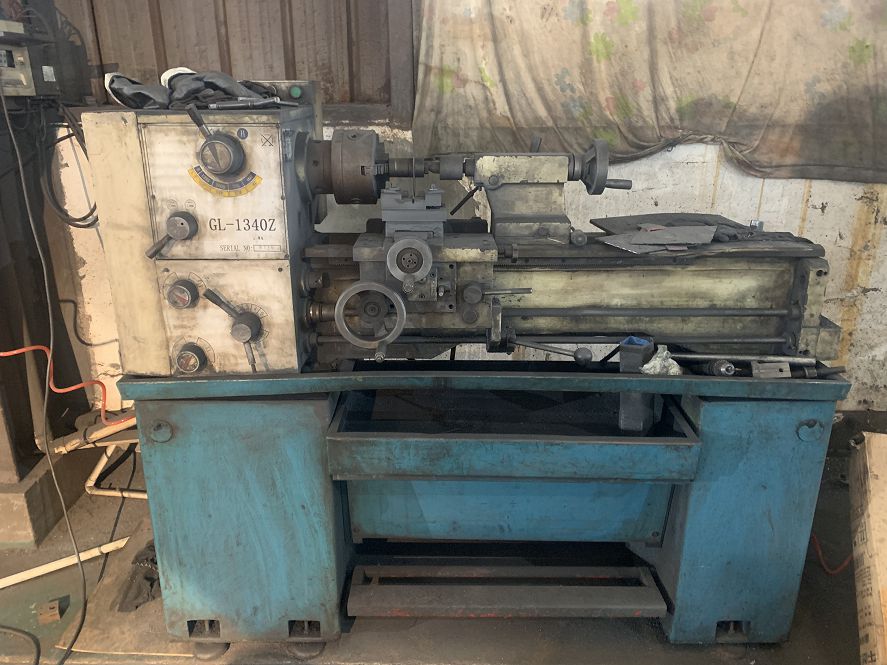
Lathe Machine Production
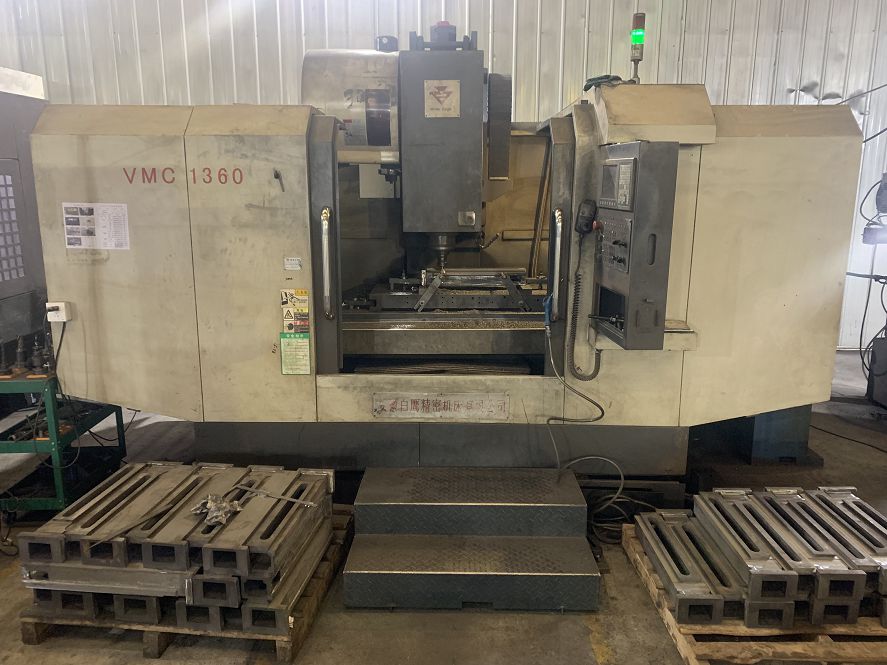
High-Accuracy CNC Center
BMS for passenger EVs, e-buses, and electric trucks requires ASIL-D functional safety. Suppliers must provide integrated solutions that include the master controller, slave modules, and high-voltage distribution units (HVDU).
In large-scale storage, the BMS must coordinate across thousands of cells. ZRF’s contribution here is the manufacture of high-volume metal enclosures for the liquid-cooled battery racks that house the BMS electronics.
Weight is the critical factor. Advanced spinning techniques reduce the weight of battery housings by 20% while maintaining structural integrity during high-G maneuvers.
 ZRF Spinning