Top 10 Tips for Setting Up Hot Metal Spinning with Titanium Alloys?

Time:2026-07-28 Author:Isabella
0%

Setting up a hot metal spinning process for titanium alloys requires precision and expertise. According to Dr. John Anderson, a leading expert in metalworking technologies, "Understanding material behaviors is crucial when working with titanium." This insight underscores the complexity of manipulating titanium, as it presents unique challenges during spinning.

To effectively establish this process, attention to detail is vital. It’s essential to consider factors such as temperature control and tool selection. Data suggests that optimal temperatures enhance material formability. However, not every setup will succeed on the first try. Adjustments and testing can lead to optimal results, highlighting the importance of iterative development.

Moreover, designers must remain adaptable. Each batch of titanium may vary, influencing the final outcome. Ensuring a thorough understanding of how to set up a hot metal spinning process for titanium alloys often involves unexpected hurdles. Embracing experimentation and learning from each challenge can significantly enhance long-term success in this specialized field.
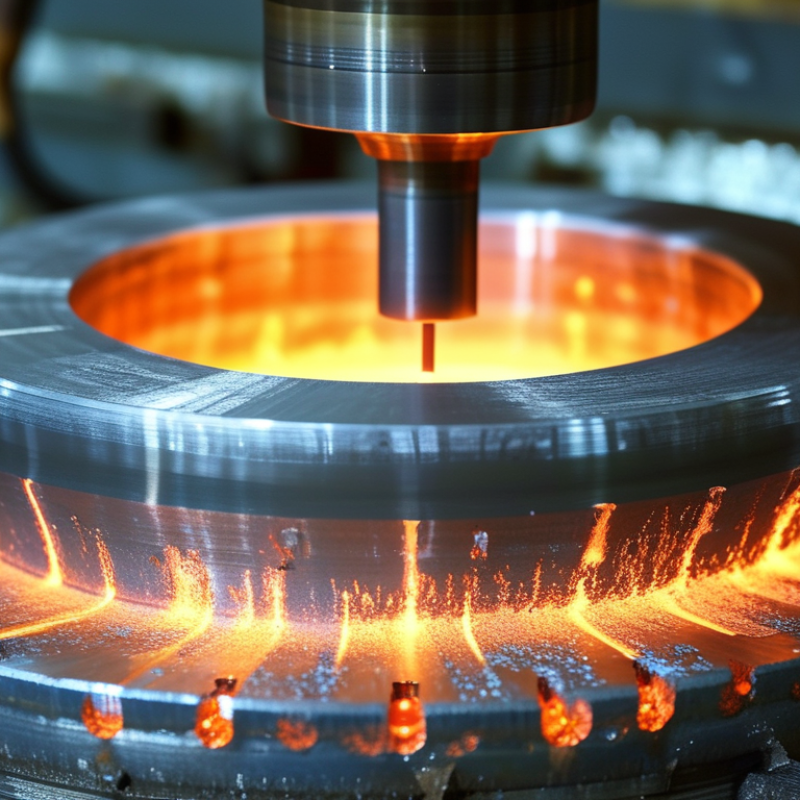
Top 10 Tips for Setting Up Hot Metal Spinning with Titanium Alloys?

Understanding Titanium Alloys for Hot Metal Spinning

Titanium alloys are increasingly popular in hot metal spinning due to their unique properties. These materials are lightweight yet strong, making them ideal for aerospace and automotive applications. The ability to withstand high temperatures without losing strength is crucial during the spinning process. Understanding the specific types of titanium alloys can significantly impact the success of the spinning setup.

When using titanium, remember that not all alloys behave the same. Each has its own characteristics based on its composition. For instance, commercially pure titanium is easier to spin, while titanium-aluminum-vanadium alloys offer strength. The challenge lies in choosing the right alloy for your project needs. Testing different alloys can yield surprising results, revealing preferences that may differ from initial assumptions.

Hot metal spinning requires careful consideration of tooling and machinery. Titanium's properties can lead to increased wear on tools. Regular evaluation is necessary to ensure efficiency. Operators should not overlook common pitfalls, such as overheating or inadequate lubrication, which can cause defects. Reflecting on these aspects can lead to improved setups and outcomes.

Essential Equipment for Hot Metal Spinning Setup

Setting up hot metal spinning with titanium alloys requires precise equipment. A robust lathe is central to this process. It must provide high rotational speeds and consistent torque. Add a reliable heating system to ensure uniform heating of the titanium. The right temperature is crucial for achieving optimal forming characteristics.

Tooling is equally vital. High-performance tool materials, like carbide or ceramic, are essential for durability and efficiency. These tools will face significant wear due to the hardness of titanium alloys. Regular monitoring of tool condition is important. You might notice uneven wear patterns, which can affect the final product's quality.

Safety gear cannot be overlooked. Personal protective equipment must fit well and offer adequate protection. Working with heated metal can lead to severe injuries. Take precautions seriously. Reflecting on past setups can help identify areas for improvement. An efficient workflow may require revisiting some techniques or processes. Adapting and learning from experience can yield better results in your hot metal spinning projects.

Key Factors in Designing Spinning Tools and Dies

Designing spinning tools and dies for hot metal spinning with titanium alloys requires meticulous attention to detail. The selection of materials greatly influences tool longevity. Titanium alloys are known for their strength but can be challenging to work with. Tools must withstand high temperatures without warping. Thermal treatment can help, yet it’s crucial to test materials under operational conditions.

Another vital factor is the precision of the die geometry. Small variations can lead to significant defects in the finished product. A well-defined die can enhance the flow of the material, ensuring uniformity. However, crafting the perfect die can take multiple iterations. It is essential to analyze each prototype critically. This step often highlights shortcomings that need addressing.

Finally, consider the cooling systems in place. Efficient heat dissipation minimizes distortion. However, balancing cooling rates can be tricky. Too rapid a cooldown may induce cracking. Assuring the right temperature control system is vital in achieving successful outcomes. Continuous process monitoring is necessary. In the end, each spinning project can teach valuable lessons, prompting reflection on ways to improve the next design.

Optimizing Temperature Control during the Spinning Process

Temperature control is essential in hot metal spinning, especially with titanium alloys. Precise heating allows for better manipulation of the material. Overheating can lead to undesired oxidation or degradation. Aim for a temperature range suited to titanium, generally between 700°C to 900°C. Maintaining consistency means investing in reliable thermocouples and feedback systems.

Pay attention to the heating method. Induction heating is popular due to its efficiency. However, it may not provide uniform temperature throughout the material. Consider conducting regular calibrations. This ensures accurate readings, allowing you to adjust quickly during the spinning process.

Proper cooling is just as crucial. Rapid cooling can create thermal stresses. Slow, controlled cooling reduces these risks. Be ready to monitor temperatures closely even after spinning. Utilizing thermal imaging can enhance your ability to identify hot spots. Implement these strategies as a pathway to optimizing temperature control. Remember, patience is key.

Top 10 Tips for Setting Up Hot Metal Spinning with Titanium Alloys

Tip Number Tip Description Optimal Temperature Range (°C) Recommended Tooling Material
1 Preheat the titanium alloy to reduce hardness. 800 - 900 High-Speed Steel (HSS)
2 Monitor temperature closely to maintain uniformity. 850 - 950 Carbide
3 Use a temperature-controlled furnace for preheating. 800 - 1000 Titanium-coated
4 Conduct trial runs to determine ideal parameters. 900 - 1000 Ceramic
5 Maintain proper lubrication to reduce friction and heat. 850 - 950 Graphite
6 Adjust spindle speed according to material thickness. 800 - 900 Cobalt-alloy
7 Ensure consistent material feed rate for smooth spinning. 850 - 950 Metal matrix composites
8 Utilize high-quality spinning tools to prevent tool wear. 900 - 1000 Diamond-coated
9 Regularly check and calibrate temperature sensors. 850 - 950 Stainless steel
10 Implement safety measures to manage high temperatures. 800 - 950 Heat-resistant alloys

Best Practices for Surface Finishing and Quality Assurance

When working with titanium alloys, surface finishing is crucial. Reports indicate that up to 70% of manufacturing issues arise from inadequate finishing processes. A well-executed surface finish can enhance fatigue performance. Use appropriate finishing techniques to prevent premature failures.

Consider these tips: Start with a clean workspace. Contaminants can cause inconsistencies. Utilize a rotary tool for initial grinding, followed by finer abrasives to achieve the desired finish. Experiment with different methods, as each titanium alloy may respond differently. This might require some trial and error, especially with less common grades.

Quality assurance practices must be established early. Regularly inspect the finished products using non-destructive testing methods. This can help identify issues that may not be visible to the naked eye. Documentation of each step ensures reliable quality control. Keeping detailed records can highlight recurring issues, providing opportunities for improvement. Don't overlook the importance of training your team on the latest methods and technologies. As the industry evolves, so should your practices.

Top 10 Tips for Setting Up Hot Metal Spinning with Titanium Alloys

FAQS

: What are the benefits of using titanium alloys in hot metal spinning?

: Titanium alloys are lightweight, strong, and can withstand high temperatures. They are ideal for aerospace and automotive applications.

How do titanium alloys vary in their behavior?

Each titanium alloy has unique properties based on its composition. Pure titanium is easier to spin compared to other alloys.

What challenges arise in selecting the right titanium alloy?

Choosing the appropriate alloy can be difficult. Testing different options often leads to unexpected preferences and outcomes.

Why is tooling and machinery consideration important?

Titanium’s properties can cause increased wear on tools. Regular evaluations help maintain efficiency and prevent defects.

What common issues should operators be aware of?

Overheating and inadequate lubrication can lead to defects. Reflecting on these challenges is essential for improved outcomes.

How critical is surface finishing in manufacturing with titanium alloys?

Surface finishing is vital; about 70% of issues stem from inadequate processes. A good finish enhances fatigue performance.

What are best practices for achieving a proper surface finish?

Maintain a clean workspace, use rotary tools for initial grinding, and experiment with different abrasive methods.

How should quality assurance be approached?

Establish quality practices early. Use non-destructive testing and document processes to identify issues and improve quality.

Why is team training important in titanium alloy processing?

Training ensures your team stays updated on the latest methods. As the industry evolves, so should your techniques.

What should manufacturers keep in mind when experimenting with alloys?

Each alloy might respond differently to techniques. Expect a learning curve and anticipate the need for trial and error.

Conclusion

Setting up a hot metal spinning process for titanium alloys requires a comprehensive understanding of the material's properties and behavior under heat and stress. First, it's essential to recognize the specific characteristics of titanium alloys that influence their performance during spinning, including their high strength-to-weight ratio and tendency to react with oxygen at elevated temperatures. Proper equipment is vital; tools such as lathes and heating systems must be capable of sustaining the necessary temperatures while providing stability and precision.

Designing effective spinning tools and dies involves considering factors such as geometry, material compatibility, and durability to optimize the overall process. Temperature control is crucial to maintain the integrity of the titanium alloy, requiring careful monitoring and adjustment to ensure optimal processing conditions. Lastly, implementing best practices for surface finishing and quality assurance helps guarantee that the final products meet the required standards, leading to successful outcomes in the hot metal spinning of titanium alloys.

Isabella

Isabella

Isabella is a dedicated marketing professional with a sharp focus on driving brand growth and engagement through strategic content creation. With an extensive background in digital marketing, she combines her passion for storytelling with her keen understanding of industry trends to deliver......