Top 10 Tips for Designing Custom Mandrels in Metal Spin Forming?

Time:2026-06-28 Author:Henry
0%

Designing custom mandrels for metal spin forming is a challenging yet rewarding process. It requires a deep understanding of both the material and the technique. Each mandrel must be tailored to fit specific applications, ensuring precision and efficiency in production. This article will guide you on how to design a custom mandrel for metal spin forming.

Creating effective mandrels involves various factors, including shape, size, and material. Attention to detail is paramount. The right design influences the final product’s quality. However, experience shows that even minor errors can lead to significant setbacks. Striking a balance between creativity and practicality is essential.

While the tips provided in this article are beneficial, there is always room for improvement. Reflecting on past projects can reveal valuable insights. Innovating while adhering to established guidelines will enhance your design process. Embrace challenges, and learn from them to perfect your craft.
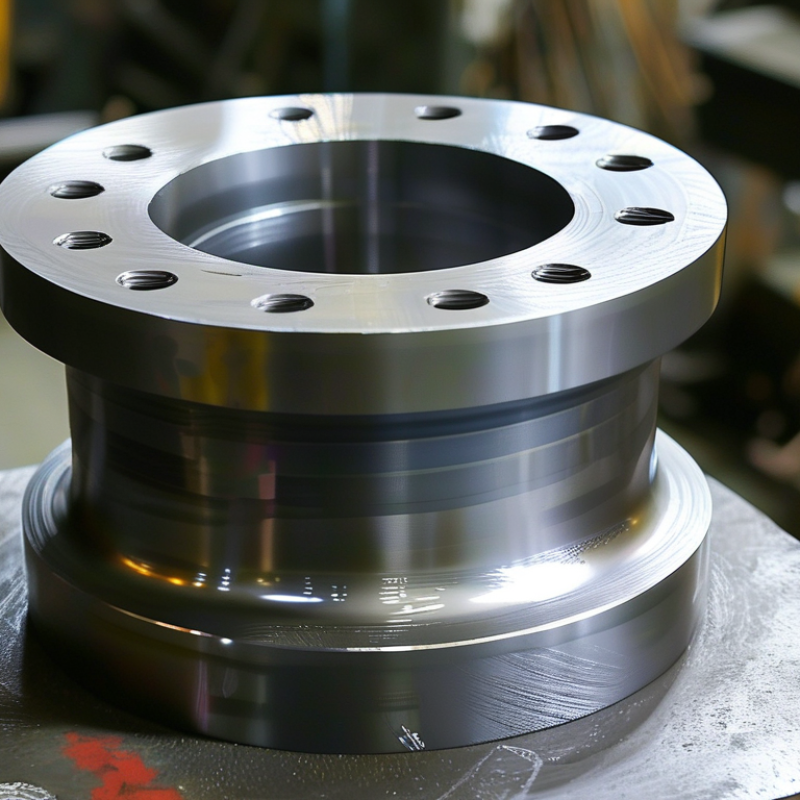
Top 10 Tips for Designing Custom Mandrels in Metal Spin Forming?

Understanding the Basics of Metal Spin Forming and Mandrels

Metal spin forming is a versatile manufacturing process. It involves shaping metal into various forms using a rotating mandrel. A mandrel is a crucial tool that dictates the shape and dimensions of the final product. Understanding how to design an effective mandrel can significantly enhance the quality of your metal spun parts.

Creating a mandrel requires careful consideration of material and design. The mandrel must withstand high pressures while maintaining its shape. Additionally, it should have a smooth surface to reduce friction, ensuring precision in the spinning process. However, designers often overlook stress distribution, which can lead to deformation during spinning. It is essential to conduct thorough simulations to identify potential weak points.

Another aspect to consider is the ease of use. A complex mandrel design may complicate the setup and increase production time. Simplicity aids efficiency but must not compromise functionality. Engaging with experienced professionals can provide valuable insights. They often have encountered challenges that can inform better mandrel design choices. Reflecting on these experiences can lead to superior outcomes in metal spin forming projects.

Identifying Material Requirements for Custom Mandrels

Identifying the right material for custom mandrels is crucial in metal spin forming. The material affects the durability and performance of the mandrel. Engineers often choose between metals like aluminum, steel, or even composites. Each material has unique properties that impact the final product. For example, aluminum is lightweight and offers good flexibility, while steel is known for its strength.

It's important to consider the specific application when selecting materials. Different projects may require different hardness levels or thermal resistances. A mandrel designed for high-temperature applications should use heat-resistant materials. This ensures reliability during the forming process.

Careful evaluation of the operating conditions is essential. Potential wear and tear can change how materials perform over time. Engineers often underestimate how environmental factors affect materials. Conducting thorough tests will provide insights into durability. Making these considerations early can save time and money in the long run.

Design Techniques for Optimizing Mandrel Geometry

When designing custom mandrels for metal spin forming, geometry plays a vital role. A well-optimized mandrel can enhance both production efficiency and product quality. Aim for a balanced design that accommodates material flow and radial symmetry. This allows for uniform thickness and reduces the potential for defects.

Incorporate varying cross-sectional profiles to improve strength without adding excessive weight. Avoid overly complex shapes that are difficult to manufacture. Instead, consider simple curves and gradual transitions. Such designs help maintain structural integrity while ensuring effective metal flow.

Testing and refinement are key steps in the design process. Use computer simulations to visualize and predict outcomes. Analyze the interaction between the mandrel and the material. Seek feedback from skilled operators to identify areas for improvement. A thoughtful design approach can help mitigate risks associated with metal forming. Always remember, iteration is part of creating effective mandrels.

Top 10 Tips for Designing Custom Mandrels in Metal Spin Forming

This chart illustrates the importance of various design tips for optimizing mandrel geometry in metal spin forming. Each tip is rated on a scale from 1 to 10 based on common industry practices and feedback from experts.

Incorporating Tolerances and Specifications in Mandrel Design

Designing custom mandrels for metal spin forming involves a deep understanding of tolerances and specifications. These factors ensure the final product meets the required standards. Data from industry reports indicates that up to 80% of defects in metal forming can be traced back to improper mandrel design. Accurate specifications can minimize these issues.

Incorporating tight tolerances is crucial. Components must fit together seamlessly. Engineers recommend maintaining tolerances within 0.005 inches for critical dimensions. This precision reduces material waste and rework, improving efficiency. Understanding the thermal properties of materials also impacts design decisions. Metal can expand or contract, altering tolerances significantly during the spin forming process.

Tip: Always validate your designs with simulations. Using software to simulate processes allows for the identification of potential issues. This proactive approach helps in refining designs early in the development stage. Review and iterate on designs based on simulation feedback.

Not all designs will succeed on the first try. Many factors can contribute to unexpected outcomes. It's essential to remain flexible and ready to revise designs based on real-world testing. Continuous learning and adapting are key in designing effective mandrels for metal spin forming.

Top 10 Tips for Designing Custom Mandrels in Metal Spin Forming

Tip Number Tip Description Key Considerations Example Specification
1 Understand Material Properties Evaluate tensile strength and ductility Steel with 500 MPa tensile strength
2 Create Detailed Drawings Include all dimensions and tolerances Tolerances +/- 0.5 mm
3 Select Appropriate Coatings Consider factors like friction and wear Anodized finish for aluminum mandrels
4 Account for Thermal Expansion Calculate expansion rates for materials Coefficient of expansion: 12 x 10-6 °C-1
5 Utilize Finite Element Analysis Predict stress distribution and deformation Simulation tools like ANSYS or SolidWorks
6 Incorporate Safety Margins Ensure durability under load conditions Safety factor of 1.5 for load-bearing
7 Examine Assembly Process Ensure ease of assembly and disassembly Tool access and clearance assessment
8 Consider Machining Capabilities Align design with available machinery CNC machining tolerances of +/- 0.02 mm
9 Test Prototypes Rigorously Use feedback to refine designs Conduct real-world load testing
10 Iterate Based on Performance Adjust designs as needed for optimization Continuous improvement cycle

Testing and Iterating on Mandrel Prototypes for Performance

Creating effective mandrels for metal spin forming requires rigorous testing and iteration. It is crucial to analyze the prototypes meticulously. Industry reports highlight that 65% of design engineers encounter issues during the testing phase. Understanding how to refine these designs can significantly enhance performance.

One essential tip is to utilize advanced materials in your prototypes. Lightweight composites can yield better results under high rotational speeds. Engineers report that switching to these materials can reduce mass by up to 30%. This reduction directly impacts the mandrel's performance and the quality of the final product.

Another key aspect is the need for iterative feedback. After initial rounds of testing, gathering data from each iteration helps identify critical weaknesses. Designers should conduct assessments on parameters like dimensional accuracy and surface finish. Accurate measurements will reveal the effectiveness of any modifications made. Continuous learning from each prototype can lead to substantial improvements.

FAQS

: What materials are commonly used for custom mandrels?

: Common materials include aluminum, steel, and composites. Each has strengths that affect the mandrel's performance.

Why is material selection important for mandrels?

Material affects both durability and the mandrel's performance in metal spin forming processes.

How does application affect material choice?

Different applications require specific hardness levels or thermal resistances in the mandrel's material.

What type of materials should be used for high-temperature applications?

Heat-resistant materials should be used to ensure reliability in high-temperature forming processes.

Why is thorough testing vital for mandrel prototypes?

Testing provides insights into the durability and performance of mandrels, helping refine designs.

How can lightweight materials impact mandrel performance?

Using lightweight composites can reduce mass by up to 30%, enhancing performance at high rotational speeds.

What role does iterative feedback play in design?

Gathering feedback after each testing round helps identify weaknesses and improve the prototypes effectively.

What factors should be assessed during prototype testing?

It's important to evaluate parameters like dimensional accuracy and surface finish to ensure quality.

How can environmental factors affect material performance?

Environmental conditions can significantly alter how materials behave over time, sometimes leading to underperformance.

What does continuous learning from prototypes involve?

It's about refining designs based on testing data to achieve major enhancements in performance and durability.

Conclusion

This article provides a comprehensive guide on how to design a custom mandrel for metal spin forming, emphasizing essential techniques and considerations. It begins by outlining the basics of metal spin forming and the pivotal role of mandrels in the process. Understanding the specific material requirements for custom mandrels is crucial, as it directly impacts performance and durability.

The article also highlights design techniques that optimize mandrel geometry, ensuring efficient and effective metal shaping. Additionally, incorporating appropriate tolerances and specifications is vital to achieving precise results. Finally, it underscores the importance of testing and iterating on mandrel prototypes to refine performance and ensure they meet the desired requirements. Overall, this guide serves as a valuable resource for those looking to master custom mandrel design in the metal spin forming process.

Henry

Henry

Henry is a dedicated marketing professional with a profound expertise in the company's offerings. With years of experience in the industry, he possesses an impressive understanding of the market dynamics and consumer behaviors that drive success. Henry is committed to sharing his insights through......