CNC spinning processes are widely used in manufacturing for their efficiency and precision. However, one of the most common challenges is material thinning. This phenomenon can compromise the integrity of the finished product, creating weaker components. It is crucial to understand how to reduce material thinning in conventional CNC spinning processes to improve overall quality.
Industry experts emphasize the importance of proper tool selection and geometric design during CNC spinning. Using the right tools can significantly minimize the risk of material thinning. Additionally, the speed and feed rate settings play a vital role. Adjusting these parameters directly impacts the distribution of forces on the material being spun.
Beyond technical settings, understanding material properties is essential. Different materials respond uniquely during the spinning process. This variability requires careful consideration and adaptability. Each attempt brings valuable insights, highlighting areas for improvement. Ultimately, addressing material thinning is not just about technology—it involves a blend of knowledge, experience, and continuous refinement in practices.
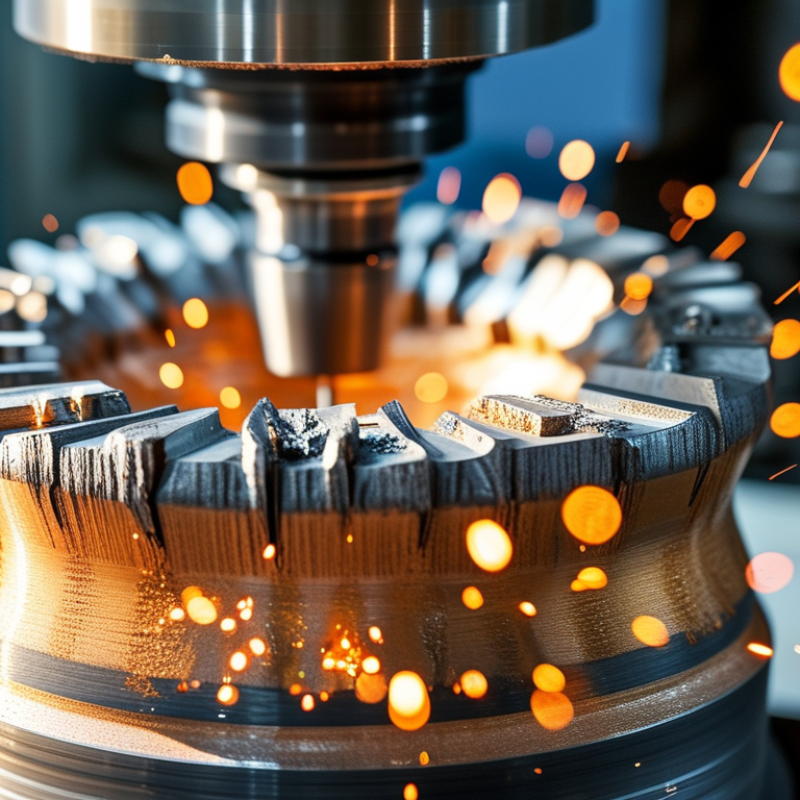
Material thinning is a critical challenge in CNC spinning processes. This issue occurs when the material becomes excessively thin during shaping, affecting the final product's strength and integrity. According to industry reports, improper feed rates and tool wear are leading causes of material thinning, resulting in significant financial losses every year. Understanding the nuances behind these factors is essential for improvement.
One effective tip is to maintain consistent and optimal feed rates. Fluctuations can lead to uneven wall thickness. It’s recommended to monitor the feed rate regularly, ensuring it aligns with the material's characteristics. Another strategy involves selecting the right tool materials. Tools made from high-performance alloys can maintain sharper edges longer, reducing the risk of thinning.
Additionally, ensure proper machine calibration. Calibration errors often contribute to dimensional inaccuracies. Accurate settings mean better control over material deformation, which directly influences wall thickness. Regular maintenance checks on equipment can prevent wear and tear that leads to unwanted thinning. As industries push for lighter yet stronger components, managing material thinning is more crucial than ever.
Material thinning is a common issue in CNC spinning processes. Identifying the factors contributing to thinning is crucial for manufacturing efficiency. One significant factor is the choice of tooling. Dull or incorrect tooling can lead to excessive wear and unwanted thinning. It is essential to regularly inspect and replace tools to ensure optimal performance.
Another contributing factor is the spindle speed. High speeds can create excess heat, causing material to thin out more than intended. Balancing speed with other variables is vital. Operators often overlook this aspect. Adjusting the speed to match the material's characteristics can make a difference.
To combat material thinning, consider the following tips: ensure consistent feed rates during the spinning process. Inconsistent feeding can cause uneven material distribution. Incorporating proper lubrication can also mitigate heat buildup. Lastly, monitor the temperature throughout the process. Excess heat can lead to deformation and thinning.
Awareness of the environmental conditions in which the CNC operates is important too. Humidity and temperature fluctuations can affect material properties. Control these conditions to maintain consistency. Regular assessments of your processes encourage ongoing improvement and awareness of potential issues.
| Tip | Description | Impact on Material Thinning | Recommended Action |
|---|---|---|---|
| Optimize Tool Geometry | Use cutting tools with proper geometries to minimize material displacement. | Reduces uneven material flow leading to thinner areas. | Regularly review and calibrate tool shapes. |
| Control Rotational Speed | Adjust the spinning speed according to material properties. | Optimizes axial loads and reduces the risk of thinning. | Test various speeds during initial runs. |
| Material Selection | Choose appropriate materials based on ductility and strength. | Enhanced flow characteristics reduce thinning issues. | Assess material properties before starting a project. |
| Monitor Temperature | Ensure proper heat distribution to maintain material integrity. | Prevents brittleness and promotes uniform deformation. | Utilize thermal cameras or sensors during spinning. |
| Adjust Feed Rate | Align feed rates with the material’s capability to keep thickness consistent. | Facilitates even material distribution across the part. | Conduct tests to find the optimal feed rate. |
Optimizing tool design and geometry can significantly reduce material thinning during CNC spinning processes. A well-designed tool maintains consistent pressure and improves metal flow dynamics. According to industry reports, 40% of defects in spun parts result from improper tool configurations. This statistic underscores the necessity of precision in the design phase.
One effective strategy is to adjust the tool's geometry. Sharp corners can concentrate stress and promote thinning. Instead, using rounded edges can help distribute pressure evenly across the material. A study showed that tools with optimized angles reduced thinning rates by up to 25%. However, achieving the right balance between sharpness and curvature requires careful analysis and testing.
Tool materials also play a crucial role. High-performance alloys can withstand greater forces, minimizing wear and maintaining shape integrity. Yet, not all manufacturers prioritize material selection equally, leading to inconsistencies in production quality. Investing in advanced materials may require higher initial costs but could lead to lower long-term expenses due to reduced rework and material waste. Balancing cost and performance remains a challenge in the industry.
In CNC spinning processes, adjusting process parameters is critical to enhance material integrity. Parameters such as spindle speed and feed rate directly influence the material thinning effect. A study by the American Society of Mechanical Engineers indicates that optimal spindle speeds can reduce thinning by up to 30%. The right combination of speed and feed can minimize defects and maintain thickness consistency.
Temperature control is another vital factor. Elevated temperatures can lead to softening of materials, which increases the risk of thinning. Research shows that maintaining a controlled temperature during spinning can reduce thinning incidents by 25%. This thermoregulation helps preserve material qualities and ensures dimensional precision.
It is important to consider variability in material properties. Even high-quality alloys may thin unexpectedly under certain conditions. Monitoring tools and real-time feedback systems can help detect these issues early. Companies that invest in responsive systems see a 20% reduction in material waste. Such measures reflect the industry's need for adaptability and continuous improvement.
In CNC spinning processes, maintaining material integrity is vital. Quality control measures play a significant role in monitoring thinning effects. Regular inspections are essential to catch issues early. Visual checks can reveal surface irregularities that may indicate thinning. Using precise measurements ensures that thickness remains consistent throughout the process.
One effective tip is to adjust the spindle speed. Higher speeds may lead to excessive thinning. It can be tempting to push limits, but that could compromise quality. Finding the right balance is crucial. Additionally, implementing real-time monitoring with digital gauges provides instant feedback on thickness variations.
Another strategy is to analyze tooling wear frequently. Dull tools can contribute to uneven material thinning. Replacing or sharpening tools at the right time can prevent further complications. Lastly, maintaining appropriate coolant application mitigates overheating, which can adversely affect the material. Each of these tips requires thoughtful consideration to implement effectively. Small changes can lead to significant improvements in quality control.
Monitoring material thinning during CNC spinning processes is critical for maintaining product quality. Below is a bar chart illustrating the effects of implementing quality control measures on material thinning over five production cycles.
: Material thinning can occur due to dull tooling or incorrect tooling choices. Regular inspections and timely replacements are necessary.
High spindle speeds can generate excess heat, causing unintended thinning. Balancing speed with other factors is essential.
Ensure consistent feed rates, use proper lubrication, and monitor temperature during the spinning process.
Humidity and temperature fluctuations can alter material properties. Control these variables for better consistency and performance.
Adjusting spindle speed and feed rate can minimize thinning effects. This can help maintain thickness consistency overall.
Controlled temperatures prevent softening of materials, significantly reducing the risk of thinning.
Even high-quality materials may thin unexpectedly. Monitoring tools can help detect issues early and reduce waste.
Companies can see a reduction in material waste, reflecting the need for adaptability in processes.
Inconsistent feeding can lead to uneven material distribution and unexpected thinning.
Regular evaluations encourage improvements and reveal potential issues before they escalate.
In the CNC spinning process, material thinning is a critical challenge that can adversely affect the quality and integrity of the finished product. To address this issue, it is essential to understand the underlying causes of material thinning. Factors such as tool wear, excessive cutting speeds, and improper tool geometry play significant roles. By identifying these contributors, manufacturers can effectively strategize on how to reduce material thinning in conventional CNC spinning processes.
Optimizing tool design and geometry is crucial for minimizing thinning effects. Ensuring the correct angle and shape can lead to more consistent material deformation. Additionally, adjusting process parameters like feed rate and spindle speed can enhance material integrity by reducing the stresses that lead to thinning. Implementing rigorous quality control measures will further aid in monitoring the thinning effects, ensuring that the spinning processes produce high-quality components. By adopting these practices, manufacturers can significantly mitigate material thinning and improve overall production outcomes.

ZRF Spinning