Hydraulic systems play a crucial role in the efficiency of heavy-duty metal spinning equipment. According to industry reports, equipment downtime linked to hydraulic issues can exceed 40%, leading to significant production losses. This emphasizes the importance of knowing how to maintain hydraulic systems in heavy-duty metal spinning equipment. Proper maintenance not only prolongs equipment life but also ensures consistent product quality.
Keeping hydraulic systems in optimal condition requires attention to key factors. Regular inspections and timely oil changes can prevent small issues from becoming major problems. Research shows that 80% of hydraulic failures are linked to contaminated fluid, underscoring the need for stringent cleanliness protocols. Despite this, many shops overlook these essential practices.
It can be easy to dismiss maintenance as a tedious task. However, neglecting it can lead to costly repairs and inefficiencies. Establishing a maintenance schedule makes it easier to catch potential failures early. This proactive approach ultimately saves time and resources, reaffirming the necessity of diligent care in hydraulic systems.
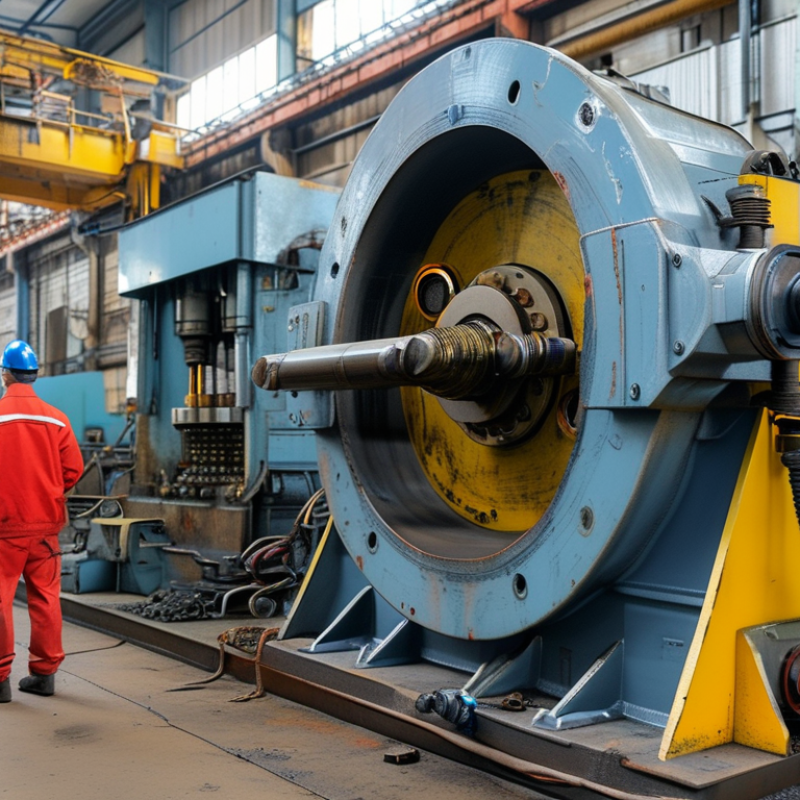
Hydraulic systems are crucial in metal spinning equipment. They control the speed and force applied during the spinning process. Understanding these systems enhances operational efficiency and equipment lifespan. A report from the International Hydraulic Association states that well-maintained hydraulic systems can improve machinery performance by up to 25%.
Frequent check-ups are essential. Hydraulic fluid levels must be monitored regularly. Low levels can lead to increased operating temperatures and system failure. Additionally, fluid cleanliness is vital. Contaminated fluid can cause wear and tear on components, leading to costly repairs. The American Society of Mechanical Engineers indicates that proper filtration can reduce this risk significantly.
Training operators on system specifics is key. Misuse or lack of understanding can result in hydraulic failure. More than 30% of hydraulic failures stem from human error. Regular training sessions can mitigate this problem. Incorporating feedback from operators can help identify recurring issues. Taking proactive steps can ultimately enhance productivity in metal spinning operations.
Selecting the right hydraulic fluid is crucial for the longevity of metal spinning equipment. According to a report by the National Fluid Power Association, poor fluid selection leads to system failures in up to 30% of cases. Hydraulic fluids must possess optimal viscosity, thermal stability, and anti-wear properties. Choosing fluids that do not match system specifications can increase maintenance costs significantly.
Fluid contamination is another critical factor. A survey revealed that 70% of all hydraulic system failures are due to contaminated fluids. Implementing effective filtration systems is essential. Regular fluid analysis helps identify potential issues before they escalate. Monitoring factors like moisture content and particle size distribution is imperative for maintaining system health.
Regular maintenance protocols should include fluid change intervals. Industry standards recommend changing hydraulic fluid every 2,000 operational hours. This recommendation varies based on the fluid's condition and environment. Neglecting timely changes can lead to increased wear on components and reduce equipment efficiency. Understanding these nuances enhances both performance and reliability in metal spinning operations.
Maintaining hydraulic systems in metal spinning equipment requires diligent routine practices. Regular checks help prevent costly breakdowns. One key practice is to monitor fluid levels. Low fluid can lead to system failure. Inspecting hoses and connections is crucial too. Look for signs of wear. Don’t wait until a hose bursts to replace it.
Regularly changing the hydraulic fluid is another important tip. Old fluid can contain debris and moisture. This can damage pumps and valves over time. Keep a record of fluid changes. This adds accountability to maintenance routines. Don’t forget to clean filters often. Clogged filters restrict flow and decrease efficiency.
Temperature monitoring is vital for performance. Extreme heat can lead to system failures. Use gauges to keep an eye on temperature fluctuations. Be cautious of leaks, as they can indicate bigger issues. If you notice any leaks or irregular sounds, it’s time to investigate. Addressing these problems early can save time and money in the long run.
Monitoring and analyzing hydraulic system pressure and temperature is crucial for metal spinning equipment. Accurate pressure readings can prevent system failures. The American Society of Mechanical Engineers (ASME) states that nearly 30% of hydraulic system failures stem from pressure issues. Regular checks help identify pressure drops that could signal leaks or blockages.
Temperature monitoring is equally important. Elevated temperatures can lead to reduced fluid viscosity, which affects performance. According to the International Fluid Power Society (IFPS), maintaining hydraulic fluid temperature within a specific range can extend equipment life by up to 50%. Understanding these dynamics helps operators make timely decisions to mitigate issues.
Operators must be vigilant. Inconsistent readings may indicate hidden problems. Responding to fluctuations in pressure and temperature requires a proactive approach. Making adjustments based on data analysis is key to sustaining performance. Regular training on interpreting these metrics can enhance reliability. Ensuring accuracy and consistency will lead to improved operational efficiency, yet human error remains a potential risk.
| Tip | Description | Frequency | Importance Level |
|---|---|---|---|
| Regularly Check Fluid Levels | Ensure hydraulic fluid is at the proper levels for optimal performance. | Weekly | High |
| Monitor System Pressure | Keep an eye on pressure gauges to avoid system overloads. | Daily | Critical |
| Inspect Hoses and Fittings | Check for wear, leaks, and damage to prevent failures. | Monthly | High |
| Change Hydraulic Fluid | Replace old fluid to maintain system efficiency and cleanliness. | Annually | Critical |
| Check Temperature Levels | Monitor heat to avoid overheating and failure. | Daily | Critical |
| Clean Filters | Remove contaminants to maintain fluid quality and flow. | Quarterly | High |
| Perform Leak Tests | Check for leaks to ensure system integrity. | Monthly | High |
| Examine Seals and O-Rings | Check for wear and replace to prevent leaks. | Biannually | High |
| Staff Training | Ensure operators are trained in handling and maintenance practices. | Annually | Critical |
| Document Maintenance Activities | Keep records of maintenance and inspections for accountability. | Ongoing | High |
Hydraulic systems in metal spinning equipment play a vital role in the overall functionality. However, several common failures can lead to significant downtime. One frequent issue is hydraulic fluid leakage. This can result from worn seals or damaged hoses. Regular inspections of these components can help identify wear before it leads to leaks. Keep fluid levels in check. Low fluid levels can cause cavitation, which damages pumps.
Another common failure is overheating. Overheating can cause fluid breakdown and component damage. To prevent this, ensure adequate cooling systems are in place. Monitor temperature levels regularly. If you notice unusual spikes, assess the cooling system immediately.
Contamination is a critical factor that often gets overlooked. Contaminants can enter the system through various means. Use high-quality filters to mitigate this risk. Regular fluid changes are essential as well. Many operators underestimate the impact of old fluid. It can harbor harmful particles that lead to wear and tear. Ignoring fluid quality can have long-term repercussions. Remember, a proactive approach can save time and resources in the long run.
: Monitor fluid levels, hoses, and connections frequently. Look for signs of wear and replace any damaged components.
Change the hydraulic fluid regularly to prevent debris and moisture buildup. Maintain a log of these changes for accountability.
Temperature monitoring prevents system failures. Elevated temperatures can reduce fluid viscosity and affect equipment performance.
Low fluid levels can cause cavitation, damaging pumps and potentially leading to system failure.
Regularly inspect seals and hoses for wear. Proactive checks can prevent leaks and subsequent downtime.
High-quality filters keep contaminants out. Regular filter cleaning maintains flow efficiency and system performance.
Overheating can lead to fluid breakdown and component damage. Ensure cooling systems are functioning adequately.
Inconsistent pressure readings may indicate hidden problems. Be proactive in analyzing data to avoid severe issues.
Old fluid harbors harmful particles causing wear. Regular fluid changes can prevent long-term damage and inefficiency.
Investigate leaks immediately. Addressing them sooner can save time and money down the road.
Maintaining hydraulic systems in heavy duty metal spinning equipment is crucial for optimal performance and longevity. Understanding the intricacies of hydraulic systems is the first step, as it involves comprehending their components and functionalities. Selecting the right hydraulic fluid is critical; it must be compatible and capable of withstanding the operational conditions to ensure efficient system management. Routine maintenance practices, such as regular fluid checks, filter replacements, and inspections of hoses and fittings, contribute to sustained hydraulic performance.
Monitoring system pressure and temperature plays a vital role in identifying potential issues before they lead to failures. By analyzing these parameters, operators can detect abnormalities that may signal wear or malfunction. Common hydraulic system failures include leaks and pump failures, which can often be mitigated through preventive strategies such as timely servicing and addressing wear and tear promptly. By implementing these strategies, one can effectively learn how to maintain hydraulic systems in heavy duty metal spinning equipment, ensuring reliable and efficient operations.

ZRF Spinning