Choosing the right CNC spinning machine for sheet metal fabrication is a critical decision. The machine you select affects both the quality and efficiency of your production process. Every fabricator needs reliable equipment that meets their specific requirements.
When considering how to choose the right CNC spinning machine, you should evaluate several key factors. These include machine size, spindle speed, and tooling options. Each parameter can significantly influence your output. You should also consider the ease of operation and maintenance. An efficient machine can save you time and reduce costs over time.
Moreover, it’s essential to assess the manufacturer's reputation and customer service. A reliable supplier can provide support and spare parts when needed. Understanding your project needs will guide your decision. Investing time in research will pay off in superior results. Making an informed choice can greatly enhance your sheet metal fabrication capabilities.
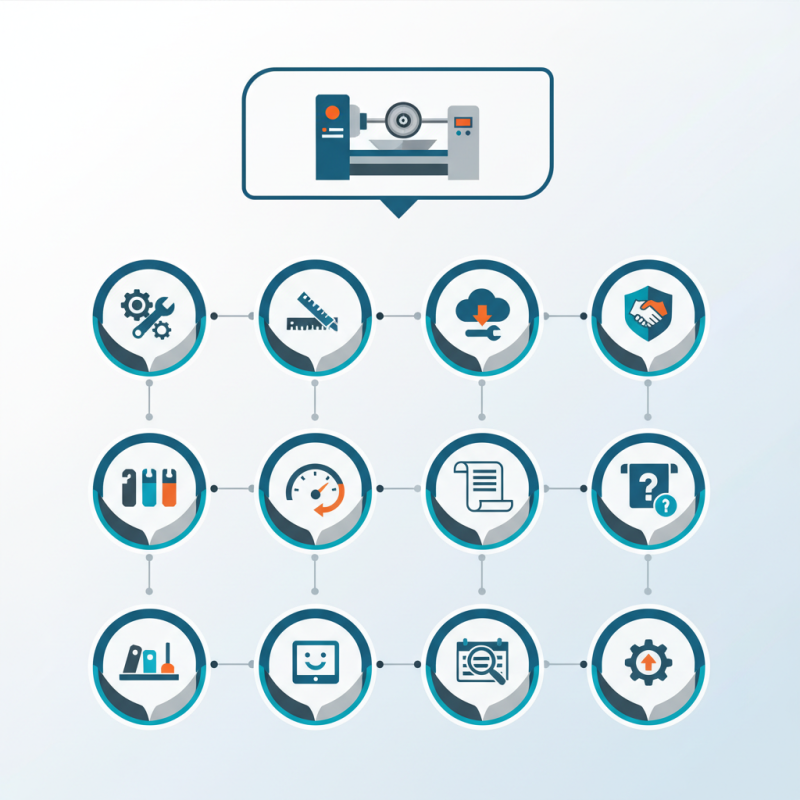
CNC spinning machines have transformed various industries by enabling precise shaping of materials. These machines use computer numerical control technology to automate the spinning process. This allows for high accuracy and consistency in production. Common applications include creating metal parts, automotive components, and even artistic sculptures. The design flexibility offered by CNC spinning machines is significant.
Understanding the specific applications of these machines is crucial when selecting one for your needs. Different materials require different approaches in terms of speed and tooling. The thickness and type of material used can significantly impact the manufacturing process. It’s essential to analyze the intended use. This can lead to both satisfying and disappointing results if not aligned with capabilities.
Despite their advantages, CNC spinning machines come with challenges. Adjustments may be needed for different materials or designs. Often, it's a trial-and-error process to determine optimal settings. Additionally, maintenance is critical for sustained performance. Neglecting upkeep can lead to inconsistencies in output and decreased efficiency. Evaluating these factors will help in making an informed decision on the right machine.
When selecting a CNC spinning machine, several key factors come into play. The first is the type of material you'll work with. For example, aluminum and steel require different spindle speeds and torque. According to a report by the International Society for Advanced Manufacturing, understanding material properties can enhance efficiency by up to 30%. This highlights the importance of aligning your machine's capabilities with your material needs.
Another critical factor is machine size and workspace. Ensure that you have sufficient space to accommodate the machine and its operations. The area should also allow for effective movement and safety protocols. A well-planned workspace can significantly improve productivity. Research indicates that strategically designed facilities can reduce operational costs by around 25%.
Tip: Always consider local support and maintenance services when choosing your CNC spinning machine. Quick access to professional help can minimize downtime, which is crucial for maintaining high production levels.
Evaluating the control software is equally important. User-friendly software can steepen the learning curve and increase operator efficiency. A study from the Manufacturing Institute noted that effective training and software usability can lead to a 40% rise in production rate. Therefore, invest time in assessing demonstration units and training packages offered by suppliers.
When selecting a CNC spinning machine, evaluating the specifications and features is essential. A report by MarketsandMarkets highlights that the CNC machine industry is projected to reach $117 billion by 2026, emphasizing the importance of making informed choices. Look at spindle speed, which directly affects productivity. Higher spindle speeds allow for faster processing. However, they may compromise the accuracy of intricate designs.
Furthermore, consider the machine's control systems. Advanced control systems provide better precision and repeatability. According to industry standards, machines with closed-loop systems enhance performance and reduce errors, ensuring high-quality output. A diverse range of tooling options also plays a critical role. Assess available tooling compatibility for different materials. This flexibility can enhance the machine's versatility, allowing it to handle various projects effectively.
Another factor is the machine's build quality. Sturdiness can indicate reliability over time. Many operators overlook maintenance needs. Skipping regular checks can lead to breakdowns and costly repairs. Finally, consider energy efficiency ratings. Machines with better energy consumption can offer savings that contribute to return on investment. Balancing these features against your specific needs makes for a more effective purchase decision.
When selecting a CNC spinning machine, assessing your production needs is crucial. Evaluate the types of materials you'll work with. Different materials may require distinct specifications. Will you be handling metals, plastics, or composite materials? Each comes with unique requirements in terms of machine capabilities.
Consider your production volume as well. Are you running high-volume production or small batches? High production rates often demand robust machines. These machines may come with a higher price tag. Understand how this aligns with your budget constraints. It’s vital to strike a balance between quality and cost.
Reflect on your workspace and potential machine size too. Large machines might offer enhanced performance but require ample space. A compact machine could suit small workshops better. Look into the available power supply and maintenance needs as well. Some machines may need additional investment in training or parts replacement. Such insights help prevent overspending or operational inefficiencies.
| Tip Number | Tip Title | Description | Budget Consideration | Production Need |
|---|---|---|---|---|
| 1 | Assess Production Volume | Determine the volume of parts required to select a machine that can meet demand. | Mid to High | High |
| 2 | Evaluate Material Types | Consider the materials to be processed to ensure compatibility with machine capabilities. | Variable | Medium |
| 3 | Check Machine Features | Look for features like automatic feeding systems or enhanced precision controls. | High | High |
| 4 | Assess Space Requirements | Ensure adequate space for machine installation and operation. | Low | Medium |
| 5 | Consider System Compatibility | Ensure new machines integrate well with existing technology and systems. | Variable | High |
| 6 | Evaluate Maintenance Needs | Consider the maintenance frequency and costs associated with each machine. | Medium | Medium |
| 7 | Seek User Reviews | Research feedback from current users regarding reliability and performance. | Low | Medium |
| 8 | Consider Resale Value | Assess potential resale value based on brand and machine condition. | High | Low |
| 9 | Plan for Training Needs | Consider the training required for operators and staff to efficiently use the machine. | Medium | Medium |
| 10 | Consult with Experts | Engage with industry experts or consultants to get insights on best practices. | Variable | High |
When selecting a CNC spinning machine, the reputation of the manufacturer is crucial. A strong history of reliability can signal that the equipment will meet industry standards. According to a report by the International Association of Machine Tool Manufacturers, 75% of buyers prioritize manufacturer reputation when making a purchase. Customer support plays a key role in this equation as well. Machines can malfunction, and effective support can make a significant difference in production downtime.
Consider the options for customer support offered by potential manufacturers. Look for those with responsive service teams. A recent survey revealed that 68% of manufacturers experienced lengthy machine stoppages due to inadequate support. It's essential to assess if a manufacturer provides detailed manuals, troubleshooting guides, and timely response channels.
While researching, be aware of feedback trends from existing customers. Reviews can provide insights into both product quality and support efficiency. Following these lines of inquiry can help you avoid pitfalls that often plague buyers. Remember, investing time in this research can save costs in the long run.
: CNC spinning machines shape materials with high precision. They create metal parts, automotive components, and artistic sculptures.
Different materials require specific approaches. Thickness and type impact speed, tooling, and overall manufacturing.
Regular maintenance ensures consistent performance. Neglect can lead to inefficiencies and inconsistent output.
Evaluate materials and production volume. High-volume needs may require robust machines that fit your budget.
Large machines need space, while compact ones suit small workshops. Assess your workspace carefully before choosing.
Manufacturer reliability signals quality. A strong reputation can prevent many future issues with equipment performance.
Effective support reduces production downtime. Look for manufacturers with timely service and comprehensive troubleshooting resources.
Overlooking maintenance needs and budget alignment can lead to costly mistakes. Analyze all factors before deciding.
Balance quality and cost. Understand your requirements and consider potential added expenses for training or parts.
Reviews provide insights about product quality and support. They can highlight both strengths and weaknesses of the manufacturers.
Choosing the right CNC spinning machine for sheet metal fabrication involves a comprehensive understanding of the machine's capabilities and applications. Key factors to consider include the specific requirements of your production processes, such as the materials you will be working with and the complexity of the designs. Evaluating the specifications and features of various machines is crucial to ensure they align with your operational needs.
Additionally, it's essential to assess your production needs alongside your budget constraints. Researching the reputation of manufacturers and their customer support options can further guide you in making an informed decision. By following these tips, you can confidently determine how to choose the right CNC spinning machine for sheet metal fabrication, ensuring efficiency and quality in your projects.

ZRF Spinning