CNC spinning is a key method in metal forming. It offers precise control over the shaping of materials. A common question arises: what thickness of stainless steel can a CNC spinning machine handle? Understanding this is critical for manufacturers. Different machines have varying capabilities. Some can work with thin sheets, while others manage much thicker materials.
Thickness affects not only the spinning process but also the final product's durability. Typical machines may handle thicknesses ranging from 1 mm to 5 mm easily. However, some advanced models accommodate up to 10 mm. Yet, this does not mean every machine can handle such thickness efficiently. Factors like machine design and tooling play significant roles.
Choosing the right thickness is essential for achieving desired results. It's not merely about capability; it's also about operational efficiency. Operators must consider potential challenges. This includes distortion and uneven shapes. Therefore, knowing the limits of each CNC spinning machine is vital for successful production.
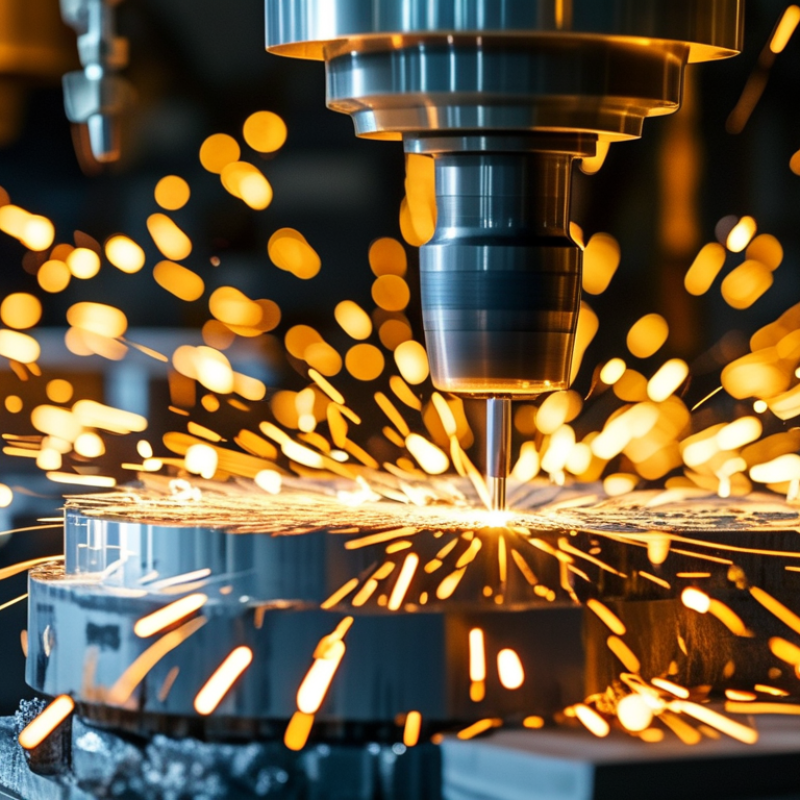
CNC spinning is an efficient method for shaping metal, including stainless steel. However, several factors determine what thickness these machines can handle effectively. The type of stainless steel is one important aspect. Different alloys have varied properties, affecting their malleability. The machines' specifications also play a critical role. They vary in capability based on design and motor strength.
Material thickness influences the final product's shape and quality. Thicker materials require more energy and time to manipulate. They may also lead to longer processing times and increased wear on tools. It’s essential to find a balance between desired thickness and achievable results.
Tips: Always run test spins with different material thicknesses. Start with thinner materials to gauge machine capability. Monitor the process closely for issues. Adjust settings based on findings for better outcomes. Performing periodic maintenance on machines can also ensure better handling of various thicknesses.
CNC spinning machines are capable of handling a variety of stainless steel thicknesses. Typically, the standard thickness range lies between 0.5 mm to 5 mm. However, some machines can process materials up to 10 mm, depending on the specifications and tooling used. This range allows for the creation of various components, from intricate designs to robust structural applications.
The ability to work with different thicknesses impacts the end product's durability and aesthetics. For instance, thinner materials allow for more complex shapes, while thicker materials provide strength. According to industry reports, around 70% of manufacturers favor a thickness of 1 mm to 3 mm for most applications. This selection balances workability and strength, making production more efficient.
Despite the standard ranges, challenges exist. Variations in stainless steel quality can affect performance. Some stainless steels may not spin as predictably as others, leading to potential defects. Continuous evaluation of material properties is crucial to ensure consistent results. It’s essential for engineers to refine techniques and adjust parameters accordingly.
| Material Type | Standard Thickness (mm) | Applications | CNC Machine Compatibility |
|---|---|---|---|
| 304 Stainless Steel | 0.5 - 3.0 | Kitchen Equipment, Automotive Parts | Standard CNC Spinning Machines |
| 316 Stainless Steel | 0.5 - 4.0 | Marine Applications, Chemical Processing | Heavy-Duty CNC Spinning Machines |
| 430 Stainless Steel | 0.4 - 3.0 | Home Appliances, Automotive Trim | Standard CNC Spinning Machines |
| Duplex Stainless Steel | 0.5 - 5.0 | Oil and Gas Industries, Structural Applications | Specialized CNC Spinning Machines |
| Super Duplex Stainless Steel | 0.5 - 6.0 | Severe Corrosive Environments, Marine Applications | Advanced CNC Spinning Machines |
When exploring the thickness of stainless steel that CNC spinning machines can handle, it’s crucial to consider various stainless steel grades. Different grades, such as 304, 316, and others, offer varying mechanical properties. This affects how the metal responds to stress and shaping in the spinning process. Thicker materials often require more powerful machinery and specialized tooling.
For instance, grade 304 is widely used due to its excellent corrosion resistance and good fabricability. It can handle moderate thicknesses successfully. On the other hand, grade 316, known for its added durability, can usually accommodate thicker materials, making it ideal for demanding applications. Understanding these differences is essential for optimizing production efficiency.
Tips: Always assess the capabilities of your machinery before attempting specific thicknesses. Take time to experiment with different grades and thicknesses in small batches. Adjusting machine settings can greatly impact the final product quality.
Inspect the finished pieces for any imperfections. Sometimes the smallest shift in thickness can lead to noticeable defects. Learning from these experiences can improve future projects. It's important to continuously adapt your approach based on trial and error.
CNC spinning machines are designed for handling various thicknesses of stainless steel. The thickness that a machine can accommodate often depends on its specifications. Generally, most CNC spinning machines can handle stainless steel sheets ranging from 0.5 mm to 5 mm thick. However, some machines are capable of manipulating even thicker materials, reaching up to 10 mm in exceptional cases.
When selecting a CNC spinning machine, it's crucial to consider the type of stainless steel being used. Different grades might affect the machine's performance. Moreover, the design of the component also plays a role. Complex shapes may require adjustments in speed and pressure, potentially limiting the thickness that can be effectively spun. It’s essential to evaluate both the machine’s capabilities and the material properties for successful outcomes.
Despite these specifications, users often face challenges. They might find it difficult to achieve consistent results, particularly with thicker materials. Variations in thickness and material integrity can introduce flaws during the spinning process. This variability can lead to a trial-and-error approach in many workshops, making it imperative to have precise control over the settings. Understanding these nuances is key to mastering CNC spinning with stainless steel.
CNC spinning machines excel in handling various stainless steel thicknesses, with applications ranging from automotive to aerospace. Typically, thicknesses can vary from 0.5 mm to 25 mm. Understanding this range is crucial for industries that rely on precise and durable components. According to a recent industry report, stainless steel parts produced via CNC spinning show enhanced mechanical properties, making them ideal for high-stress applications.
The versatility of CNC spinning allows for experimentation with different thicknesses. For instance, stainless steel components thinner than 1 mm can be readily shaped into complex forms without compromising integrity. However, thicker materials pose challenges in terms of tooling and machine capacity. A study indicated that increasing the thickness beyond 10 mm often requires specialized techniques, which can lead to longer production times. This complexity necessitates ongoing evaluation and optimization of processes.
Another observation involves the balance between material efficiency and production costs. Using thicker stainless steel can result in higher waste due to machining requirements. Refinements in CNC technology now allow for better material utilization, yet the initial setup and programming require skilled operators. In some scenarios, opting for a thinner gauge can reduce costs without sacrificing product quality. Thus, industries must weigh these factors when determining the appropriate thickness for their specific applications.
This chart illustrates the maximum thickness of stainless steel that CNC spinning machines can handle for various applications. The data indicates the typical thicknesses used in different industries.
: The type of stainless steel and machine specifications significantly determine thickness handling.
The typical range is 0.5 mm to 5 mm. Some machines can handle up to 10 mm.
Thicker materials require more energy and longer processing times. This can cause greater tool wear.
About 70% of manufacturers favor a thickness between 1 mm to 3 mm for a balance of strength and workability.
Achieving consistent results can be tricky, especially with thicker materials which may lead to flaws.
Running test spins with thinner materials helps gauge machine capability and adjust settings effectively.
Regular maintenance ensures better handling of different thicknesses and prolongs machine lifespan.
Yes, some grades may not spin predictably, leading to defects during the process.
Thinner materials allow for more intricate designs, while thicker materials enhance strength.
Continuous evaluation of material properties and adjusting parameters are essential for refining techniques.
In the article titled "What Thickness of Stainless Steel Can CNC Spinning Machines Handle?", the various factors that influence the thickness of stainless steel used in CNC spinning are thoroughly explored. It highlights the standard thickness range typically suitable for CNC spinning processes, noting that while general guidelines exist, actual capabilities can depend on machine specifications and material properties. A comparative analysis of various stainless steel grades and their respective thicknesses provides insights into how different grade characteristics affect their suitability for CNC spinning applications.
Furthermore, the article details CNC spinning machine specifications for handling different thicknesses, emphasizing the importance of selecting the appropriate machine for specific project requirements. It concludes by discussing various applications of CNC spinning, highlighting how the chosen stainless steel thickness can impact performance and end-use results in diverse manufacturing scenarios. Ultimately, understanding "what thickness of stainless steel can a CNC spinning machine handle" is crucial for optimizing production outcomes in industries utilizing this advanced manufacturing technique.

ZRF Spinning