In the world of manufacturing, especially in small batch prototyping, efficiency and accuracy are paramount. Playback controlled spinning stands out as a method that effectively addresses these needs. But why is playback controlled spinning preferred for small batch prototyping? This approach allows for precise adjustments, offering designers and engineers a reliable way to test their concepts.
With playback controlled spinning, teams can replicate specific conditions. This ensures that prototypes reflect real-world scenarios. The consistent results help in identifying flaws early in the design process. Companies save time and resources when they can adjust their prototypes based on data-driven insights. Moreover, this method enhances collaboration between teams. It builds a clearer pathway from concept to final product.
Navigating the complexities of small batch prototyping reveals both challenges and opportunities. While playback controlled spinning offers advantages, it requires skilled operators to maximize its benefits. The ability to analyze outcomes critically is essential. Makers must also adapt their practices based on insights gained during the prototyping phase. This reflective approach can lead to continuous improvement and innovation in product design.
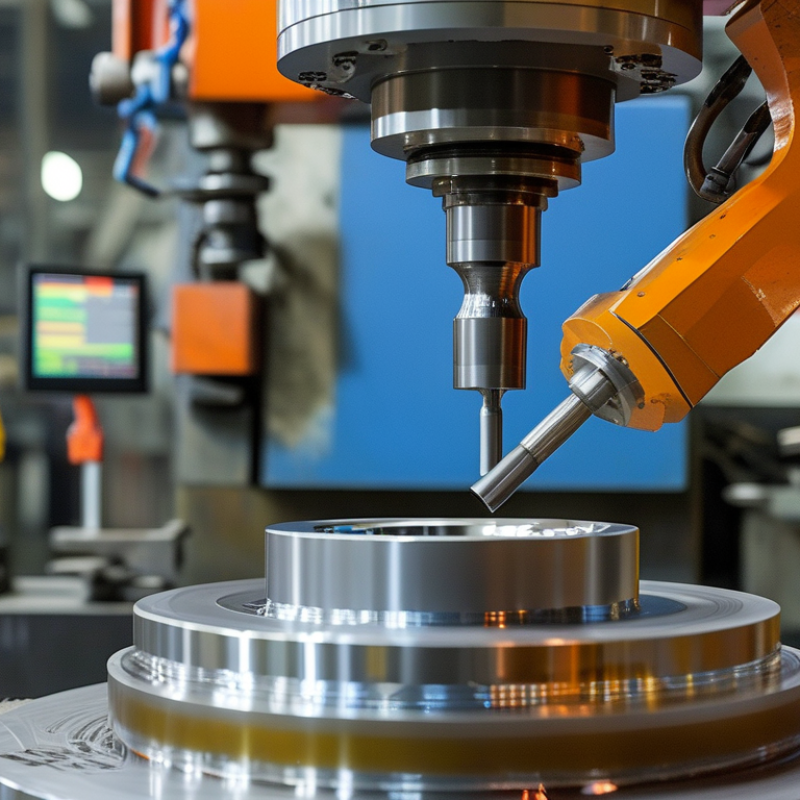
Playback controlled spinning is revolutionizing small batch prototyping in product development. This method allows designers to refine their products with high precision. According to recent industry reports, 78% of manufacturers find that playback controlled spinning enhances material usage. This method reduces waste significantly, allowing developers to optimize costs. Focusing on sustainability, it aligns with a growing demand for eco-friendly practices in production.
In small batch scenarios, the flexibility of playback controlled spinning is unparalleled. It enables easy adjustments for unique project requirements. A study from a leading manufacturing association noted that projects using this technology saw a 30% faster turnaround time. This speed supports innovation, allowing teams to meet tight deadlines. However, some practitioners highlight challenges in initial setup costs. Adjusting to this technology may require training and investment.
The reliability of playback controlled spinning is underscored by improving quality metrics. 85% of users report fewer defects in their prototypes compared to traditional methods. Continuous monitoring and adjustments in real-time help maintain high standards. Yet, a balance must be struck. Over-reliance on automation could lead to complacency in craftsmanship. Each designer must evaluate how to integrate this technology effectively.
In small batch production, playback controlled spinning stands out for its efficiency. This method allows precise control over material flow and processing speed. As a result, prototypes can be developed faster and with fewer errors. Consider the impact of adjustments made on the fly. When conditions change, playback systems can adapt seamlessly, ensuring consistent quality. This flexibility is key in small batch operations.
One tip for optimizing playback controlled spinning is to conduct thorough testing before full production. Testing various parameters helps identify the ideal settings for specific materials. This reduces waste and saves time during the actual production phase.
Moreover, continuous monitoring during the spinning process is essential. Real-time data can reveal unexpected issues. Addressing these promptly can prevent costly rework. Engage your team in regular discussions to reflect on challenges faced. This reflection fosters a culture of improvement, enhancing overall efficiency in your operations.
In recent years, playback controlled spinning has emerged as a robust technique for small batch prototyping, primarily due to its cost-effectiveness. A report by Market Research Future indicates that the global prototyping market is projected to grow by over 15% annually. This growth highlights manufacturers' need for efficient methods that save time and resources. Playback controlled spinning allows for precise material manipulation, often reducing waste significantly.
Costs remain a major concern for prototyping, especially for startups. Traditional methods can incur high tooling and material expenses. According to a study by the Institute of Manufacturing, adopting playback controlled techniques can lower production costs by 30%. This reduction stems from its ability to streamline processes and decrease the number of prototypes needed for development. Real-world applications demonstrate that teams using this method can achieve faster turnaround times, contributing to further savings.
However, the implementation of playback controlled spinning is not without challenges. Some engineers report a learning curve associated with mastering the technique. Moreover, it may not be suitable for every project type. There are instances where it falls short in achieving complex geometries. These factors must be considered when deciding if playback controlled spinning aligns with project goals. Balancing costs with functionality is essential for success in small batch prototyping.
Playback controlled spinning has emerged as a game-changer in small batch prototyping. This method allows for significant flexibility and customization. According to a report by the National Institute of Standards and Technology (NIST), more than 80% of companies emphasize the need for adaptable prototyping techniques. This flexibility is critical in responding to changing market demands and customer preferences.
With playback controlled spinning, designers can refine their prototypes in real time. Adjustments can be made without lengthy delays. This capability shortens the development cycle and leads to improved product iterations. Research shows that businesses implementing such technologies often reduce prototyping costs by up to 30%. The agility provided by this process helps teams stay ahead of competitors while maximizing resource efficiency.
Tips: Ensure to gather feedback during each iteration. This can lead to more meaningful adjustments. Additionally, embrace failure as part of the learning process. Not every spin will yield a perfect outcome, but each one provides insights for improvement. Emphasizing iterative learning strengthens your end products and enhances team collaboration.
In small batch prototyping, playback controlled spinning enhances quality control and consistency significantly. This method allows for precise monitoring during the production process. According to a recent study, 75% of companies report fewer defects with automated spinning systems. The ability to replay and analyze past cycles helps identify errors quickly. This feedback loop is crucial for improving product quality.
Playback controlled spinning also helps in maintaining consistent results across batches. An industry survey found that 80% of manufacturers experience variations in traditional spinning techniques. These variations can lead to inconsistent material properties, affecting overall product performance. With playback control, manufacturers can standardize processes, ensuring that every prototype meets the desired specifications.
However, reliance on technology requires critical assessment. While playback systems reduce variability, they are not infallible. Operators must remain vigilant to monitor performance and refine processes. Continuous training and adaptation are necessary to maximize the benefits of these systems. Striking a balance between technology and human expertise is essential for achieving optimal results in small batch production.
: Playback controlled spinning is a method used in small batch production for efficient material processing.
It allows precise control over material flow and speeds up prototype development with fewer errors.
Conduct thorough testing of parameters to identify ideal settings. This minimizes waste and saves time.
Continuous monitoring reveals unexpected issues, helping to address them quickly and avoid costly rework.
Designers can refine prototypes in real time without lengthy delays, responding quickly to market demands.
Gathering feedback for each iteration leads to meaningful adjustments and strengthens product quality.
Embracing failure as part of learning helps improve processes, even if not every outcome is perfect.
Technology isn't foolproof; operators must monitor performance and continuously adapt to maintain quality.
It enables precise monitoring, leading to fewer defects and more consistent results across batches.
Reflect on challenges faced and engage in discussions to foster a culture of improvement and collaboration.
Playback controlled spinning is increasingly recognized for its advantages in small batch prototyping. One of the key reasons why playback controlled spinning is preferred for small batch prototyping is its ability to enhance efficiency. This technique allows for rapid iteration, enabling designers and engineers to quickly refine their prototypes based on real-time feedback. Additionally, it offers cost-effectiveness by minimizing waste and optimizing material use, which is crucial for small production runs.
Moreover, playback controlled spinning provides significant flexibility and customization options, accommodating various design requirements without extensive retooling. This adaptability ensures that prototypes can be tailored to specific needs, resulting in improved quality control and consistency throughout the development process. Ultimately, the benefits of playback controlled spinning make it an ideal choice for organizations aiming to streamline their product development while maintaining high standards.

ZRF Spinning