Achieving the perfect surface finish in spinning is a key challenge that many manufacturers face. One critical factor influencing this is roller feed speed. According to the Industry Surface Finish Report 2022, optimizing roller feed speed can reduce surface defects by up to 30%. This data highlights the importance of precise control in the spinning process.
Expert in manufacturing processes, Dr. Emily Chen, emphasizes, “How to optimize roller feed speed for a smooth surface finish in spinning is vital for quality assurance.” Her insights underscore the need for manufacturers to focus on this aspect. However, achieving this ideal balance remains difficult. Many companies still struggle with surface imperfections, indicating the need for continuous refinement.
Increasing roller feed speed too much can lead to rough surfaces. Conversely, slower speeds may not efficiently utilize material. Companies often overlook these nuances, leading to costly rework. Understanding the right parameters is crucial for success in the spinning industry. Constant monitoring and adjustment can help achieve the desired quality while minimizing waste.
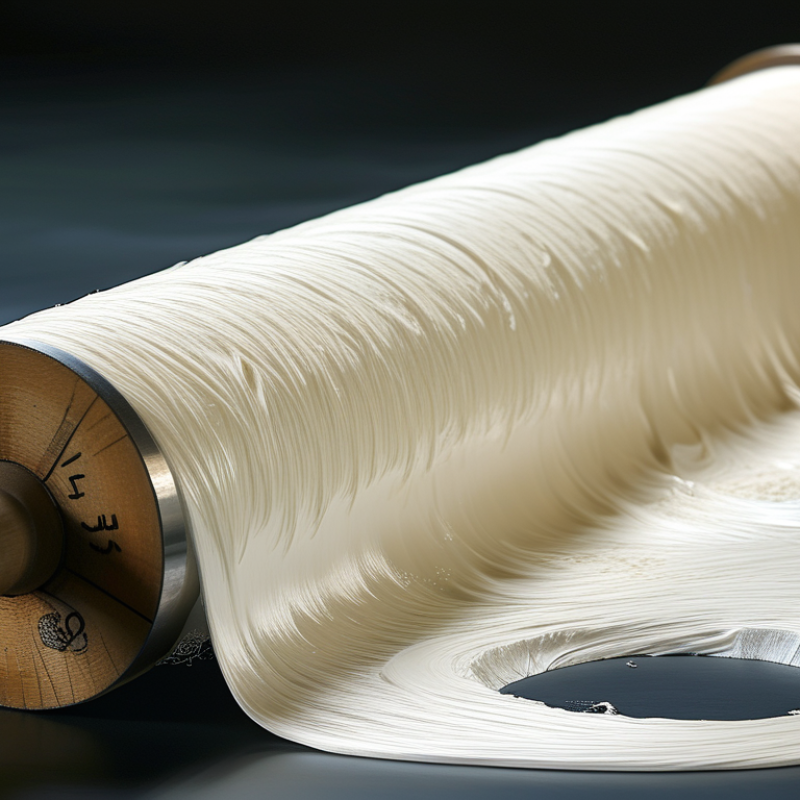
The roller feed speed plays a pivotal role in spinning processes. This speed affects the material flow and the surface quality of the final product. Optimal feed speed ensures uniformity and precision in the spinning operation. Studies indicate that variations in roller speed can lead to surface defects that impact the overall quality.
Research has shown that a feed speed mismatch can increase the likelihood of surface imperfections. For instance, speeds that are too high can cause uneven material distribution. Conversely, speeds that are too low may lead to longer processing times and potential overheating issues. An ideal range is often between 50 to 200 mm/s, depending on the material being spun. These metrics are crucial for achieving a perfect surface finish.
Operators must continually assess and adjust roller feed speeds for optimal results. Fine-tuning speeds can reduce defects significantly. It's important for professionals to remain diligent, as even slight speed adjustments can shift the entire operation's efficiency. The challenge lies in maintaining consistency while adapting to different material properties. Continuous monitoring and data collection are necessary to refine these processes further.
| Feed Speed (m/min) | Surface Finish (Ra µm) | Material Type | Temperature (°C) | Comments |
|---|---|---|---|---|
| 5 | 1.2 | Aluminum Alloy | 25 | Good finish; stable conditions |
| 10 | 0.8 | Steel | 30 | Excellent surface; optimize cooling |
| 15 | 1.5 | Copper | 32 | Requires adjustment in speed |
| 20 | 2.1 | Titanium | 35 | Suboptimal; high wear on tools |
| 25 | 0.5 | Plastic | 20 | Very smooth finish; ideal parameters |
In spinning processes, the roller feed speed plays a crucial role in achieving a perfect surface finish. An optimized speed minimizes defects and enhances the material's surface quality. However, various factors influence this outcome.
The type of material used can significantly affect the surface finish quality. Softer materials may respond better to slower roller speeds. Conversely, harder materials might benefit from increased speeds for a smoother finish. Additionally, the geometry of the rollers can contribute to variations in the surface texture.
Temperature also influences the spinning process. Properly managed heat reduces friction and improves surface outcomes. Yet, too much heat can lead to material degradation. It's essential to monitor both the feed speed and temperature carefully. An imbalance can cause blemishes or inconsistent finishes.
Finally, the operator's expertise plays a key role. Skilled operators can adjust parameters based on real-time observations. However, even experienced personnel may encounter unexpected challenges. Each spinning operation may require unique adjustments for optimal results. Regular reflection on these variables can guide future improvements.
When optimizing roller feed speed, achieving a perfect surface finish in spinning is vital. The two key aspects are feed rate and material properties. A slower feed speed often works better for softer materials. It allows the roller to make more contact. This contact can enhance the surface finish. However, reducing speed too much may lead to overheating. Overheating can negatively affect surface quality, so a balance is essential.
Experimenting with various speeds can yield different results. Consider testing speeds incrementally for a more refined outcome. Monitoring tool wear is also important. Excessive wear can compromise the quality over time. In some cases, the materials may not behave as expected due to variances in texture or hardness. This unpredictability can lead to mistakes that require corrective actions.
Adjusting the roller feed speed isn't just about numerical values. It involves understanding the interplay between speed, pressure, and material behavior. Each spinning process may reveal different challenges. For instance, changes in humidity or temperature can affect material properties. These factors often warrant further investigation and adjustments. Hence, a continuous reflection on process outcomes is crucial for refinement.
Achieving a flawless surface finish in spinning requires a careful balance in roller feed speed. Research indicates that an optimal feed speed can significantly reduce surface defects. According to a recent industry report, adjustments in speed can enhance surface quality by up to 30%. This improvement is critical for industries focused on precision and aesthetics.
Measuring surface finish improvements involves several metrics. Tools like laser profilometers provide accurate readings of surface roughness. The Ra (average roughness) and Rz (mean peak-to-valley height) values are essential for understanding product quality. A consistent measurement strategy will lead to better insights into how roller feed speed impacts the finish. Advanced analytics can facilitate a more profound understanding of how minor adjustments yield substantial benefits.
**Tip:** Regularly calibrate measurement tools to ensure accuracy in reading surface characteristics.
**Tip:** Document and analyze variations in feed speed and resulting surface finish. This data will help identify trends and optimize processes.
However, it’s vital to recognize that too high or too low a feed speed can lead to adverse effects. Excessive speeds might induce vibration, resulting in an inconsistent surface. Conversely, too slow can cause material buildup, affecting the final output. These factors necessitate continuous monitoring and adjustments based on empirical results.
Achieving a perfect surface finish in spinning requires careful attention to roller feed speed. Consistent roller feed speed directly impacts the quality of the final product. Fluctuations can lead to uneven surfaces and defects. Maintaining an optimal speed is vital for achieving that sought-after finish.
Employing sensors to monitor roller speed can enhance consistency. Real-time data allows for quick adjustments when necessary. A dedicated operator can observe subtle changes in the material's behavior. This practice fosters a deeper understanding of the spinning process. Furthermore, regular maintenance of equipment is essential. Worn rollers can cause speed variations, leading to undesirable outcomes. Ensuring the rollers are clean and well-aligned helps avoid these issues.
Despite best efforts, there can still be challenges. Material properties may differ, affecting how speed adjustments translate to surface quality. Operators should reflect on past batches and identify patterns. Learning from these experiences leads to enhanced decision-making in future projects. Embracing a responsive approach can help refine roller feed speed management over time.
: Roller feed speed influences material flow and surface quality in spinning.
Optimal feed speed ensures uniformity and precision, impacting the final product's quality.
Mismatched speeds can cause surface defects and uneven material distribution.
The ideal range typically falls between 50 to 200 mm/s, depending on materials.
Operators should regularly assess and adjust the speeds for optimal outcomes.
Sensors provide real-time data for quick adjustments, enhancing consistency in spinning.
Regular maintenance and cleaning of rollers are crucial to avoid speed variations.
Different material properties can vary how speed adjustments impact surface quality.
Reflecting on past outcomes can improve decision-making for future spinning projects.
Operators may struggle with maintaining consistency due to variable material behaviors.
The article "Optimize Roller Feed Speed for a Perfect Surface Finish in Spinning" delves into the critical aspects of roller feed speed optimization in spinning processes. It explains how to optimize roller feed speed for a smooth surface finish in spinning by examining the inherent factors that influence surface quality, such as material properties and environmental conditions. The article further outlines various techniques to enhance roller feed speed, emphasizing strategies that result in superior surface finishes.
To ensure consistent quality, the article also discusses best practices for maintaining stable roller feed speeds and introduces methods for measuring and analyzing surface finish improvements. By understanding these elements, manufacturers can refine their spinning processes and achieve optimal results, ultimately leading to enhanced product quality and performance.

ZRF Spinning