Lubrication plays a critical role in CNC flow forming, affecting tool wear significantly. According to the 2022 Machining Technology Report, inadequate lubrication can increase tool wear rates by up to 40%. Effective lubrication ensures optimal heat dissipation and reduces friction, which are vital for tool life. Industry expert Dr. Alan Mercer states, "Understanding how does lubrication affect tool wear in CNC flow forming machines is essential for increasing efficiency and longevity."
Proper lubrication extends the lifespan of tools, improving productivity. It creates a protective barrier that minimizes abrasive wear. However, the type of lubricant and application method matter greatly. For instance, using the wrong lubricant can lead to increased wear and tool failure. This highlights the need for continuous evaluation and adjustment.
Some manufacturers may overlook the specific lubrication requirements for their tools and processes. This oversight can lead to unplanned downtime and increased costs. Recognizing this issue is crucial for optimizing performance in CNC flow forming operations.
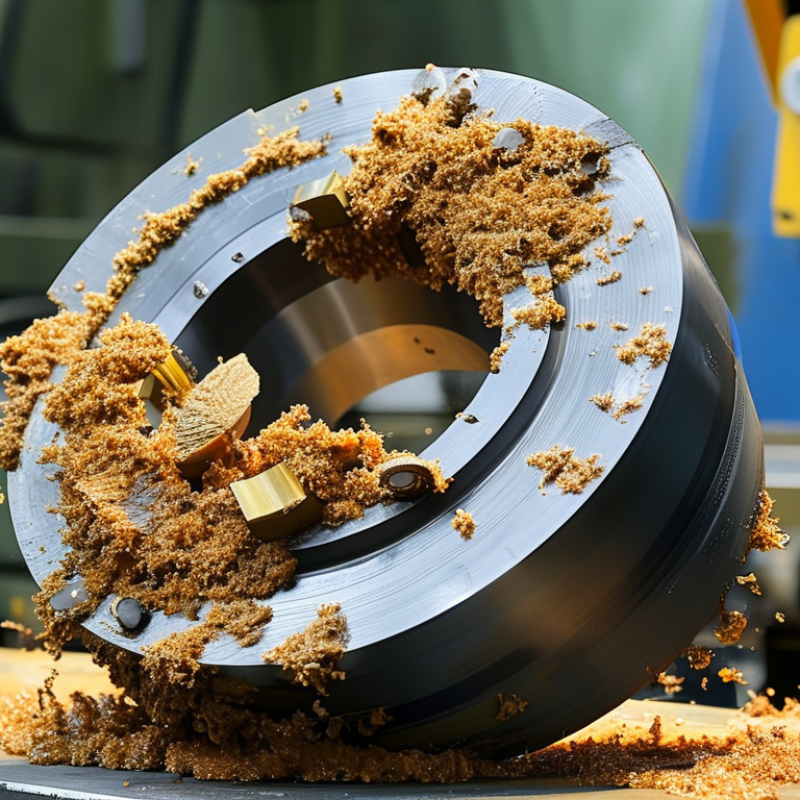
Lubrication plays a critical role in the CNC flow forming process. Effective lubrication can directly influence tool wear and overall machining efficiency. According to recent industry reports, improper lubrication can increase tool wear by up to 50%. This deterioration not only affects tool life but also impacts production costs through increased downtime and maintenance.
In CNC flow forming, the choice of lubricant significantly affects friction and heat generation during machining. A study by the American Society of Mechanical Engineers (ASME) indicated that optimal lubrication could reduce friction by as much as 40%. However, many manufacturers still struggle with selecting appropriate lubrication methods. Insufficient lubrication can lead to adhesive wear, where material transfers from the tool to the workpiece, affecting the dimensional accuracy of finished parts.
Moreover, effective lubrication can help maintain proper cooling. High temperatures can rapidly accelerate tool deterioration. Reports show that tools exposed to elevated temperatures can lose hardness and stiffness, resulting in rapid failure. Historically, the consensus has been that most operators underestimate the importance of lubrication. A more comprehensive approach to lubrication could enhance tool performance and significantly lower overall operational costs. The challenge lies in understanding and implementing these solutions effectively.
Lubrication plays a crucial role in CNC machining processes, especially in flow forming. The type of lubricant used can significantly affect tool wear and longevity. There are several commonly used lubricants, including oil-based, water-soluble, and synthetic options. Each has its unique characteristics and effects on tool performance. For instance, oil-based lubricants provide excellent lubrication but may create a thick layer, which can lead to overheating.
Water-soluble lubricants, on the other hand, are more effective in cooling but might not protect against wear as efficiently.
When selecting a lubricant, it's essential to consider the specific needs of your machining process. The compatibility of the lubricant with the material being worked on can influence outcomes. Some lubricants can react negatively with certain metals, accelerating wear. Additionally, improper application techniques can lead to inadequate lubrication, increasing the risk of tool damage. Operators should regularly assess their lubricant choice and application methods to optimize tool life and performance. Finding the right balance is key, and continuous improvement in lubricant application techniques should be encouraged.
Effective lubrication is critical in CNC flow forming. It plays a significant role in reducing friction and heat during tool operation. When friction occurs, it leads to increased wear on the tools. Lubrication creates a protective barrier, minimizing direct contact between tool surfaces. This barrier allows for smoother operations and prolongs tool life.
Heat is another key factor in tool wear. Excessive heat can degrade tool materials and affect performance. Lubricants not only reduce friction but also help dissipate heat away from the tool. This dual action ensures that tools maintain their integrity throughout the forming process. However, selecting the right type of lubricant can be challenging and sometimes overlooked.
In practice, many manufacturers find that improper lubrication can lead to significant problems. Some may choose the wrong lubricant, resulting in inadequate protection. This can create excessive wear on tools and lead to costly downtime. It is essential to continually re-evaluate lubrication strategies and their effectiveness in real-world applications. Adjustments may be necessary to achieve optimal performance.
Lubrication plays a critical role in the performance and lifespan of tools used in CNC flow forming. Proper lubrication reduces friction, which directly impacts tool wear. When friction levels are minimized, heat generation decreases, preserving the integrity of the cutting edges. The right lubricant can extend tool life significantly. However, not all lubricants are suitable for every application. They must be matched to the specific materials and conditions of the operation.
In practices where lubrication is overlooked, problems can arise. Increased tool wear leads to frequent replacements. This not only affects productivity but also increases costs. Some may assume that more lubricant is better. Yet, excessive lubrication can lead to issues like chip adhesion. This can cause even greater tool wear than insufficient lubrication. Understanding the delicate balance is essential for optimizing tool life.
Evaluating lubrication's impact on tool performance requires both testing and experience. Inconsistent results can occur due to varying operational conditions. Regular monitoring and adjustments are necessary. Tools that perform well with one lubricant might falter with another. Therefore, ongoing assessment is vital for continuous improvement. By examining these nuances, manufacturers can enhance their CNC flow forming processes.
Lubrication plays a crucial role in minimizing tool wear during CNC flow forming. It reduces friction and heat generated at the tool-workpiece interface. Effective lubrication can lead to a longer tool life and significant cost savings in manufacturing processes. However, achieving the right balance is often a challenge. Many operators fail to recognize the importance of viscosity and flow rate in their lubrication systems.
Applying the right lubricant type is vital. For instance, some lubricants are too thick, hindering proper flow and cooling. Others might evaporate quickly, leaving the tool unprotected. It's important to regularly assess the lubricant condition and replace it when necessary. Using the wrong lubrication can drastically increase tool wear, and this oversight can be costly.
Monitoring the lubrication application is equally important. Over-lubrication can lead to a buildup of contaminants, which ironically worsens tool wear. Operators should establish a routine for inspecting lubrication systems. Training personnel on proper lubrication techniques can create a more reliable process. Addressing these areas of improvement can help organizations enhance machining efficiency while prolonging tool life.
: Lubrication reduces friction and heat, prolonging tool life and improving performance.
Oil-based lubricants reduce friction but may cause overheating. Water-soluble ones cool effectively but offer less wear protection.
Compatibility with the material is crucial. Some lubricants can react negatively with certain metals, increasing wear.
Choosing the wrong lubricant can lead to excessive wear and costly downtime. Regular assessment is necessary.
Over-lubrication can cause contamination buildup, worsening tool wear. Established routines can help prevent this issue.
Thick lubricants may hinder flow and cooling, leading to increased tool wear and reduced performance.
Training personnel and regularly inspecting lubrication systems can enhance process reliability and tool longevity.
Incorrect viscosity can impact cooling and flow, directly affecting tool wear and operational efficiency.
Many operators overlook the importance of lubricant condition and fail to replace it timely, increasing wear.
Continuous assessment is necessary to ensure optimal performance and adapt to real-world application challenges.
In CNC flow forming processes, understanding how lubrication affects tool wear is crucial for optimizing performance and extending tool life. Lubricants play a significant role in reducing friction and heat during machining operations, which are key factors that contribute to tool degradation. Different types of lubricants can enhance the machining process by minimizing wear, preventing galling, and providing a cooler operating environment.
The evaluation of lubrication's impact on tool life highlights the importance of selecting appropriate products and applying best practices in lubrication techniques. Proper lubrication not only enhances the longevity of tools but also improves the overall efficiency of CNC operations. By implementing effective lubrication strategies, manufacturers can significantly minimize tool wear, which ultimately leads to cost savings and improved production outcomes. Understanding "how does lubrication affect tool wear in CNC flow forming machines" is essential for achieving optimal results in machining applications.

ZRF Spinning