In the textile industry, automatic spinning machines play a crucial role in ensuring efficiency and production. However, one might ask, what are the safety requirements for operating automatic spinning machines? According to Dr. Emily Richards, a leading expert in textile machinery safety, "Understanding safety requirements is vital to prevent accidents and ensure worker safety."
Safety requirements encompass several factors. Machines should have proper emergency shutdown systems. Guards should protect moving parts to reduce the risk of injury. Regular maintenance is essential to keep machines functioning safely and efficiently. Additionally, training for operators is crucial. They must understand operational protocols and recognize hazards.
Despite these requirements, gaps still exist. Some operators lack awareness of safety protocols. Others may skip maintenance checks due to time constraints. Continuous education and vigilance are necessary. Emphasizing safety can reduce risks and promote a culture of awareness. Therefore, the industry must commit to prioritizing safety by implementing and enforcing clear safety standards.
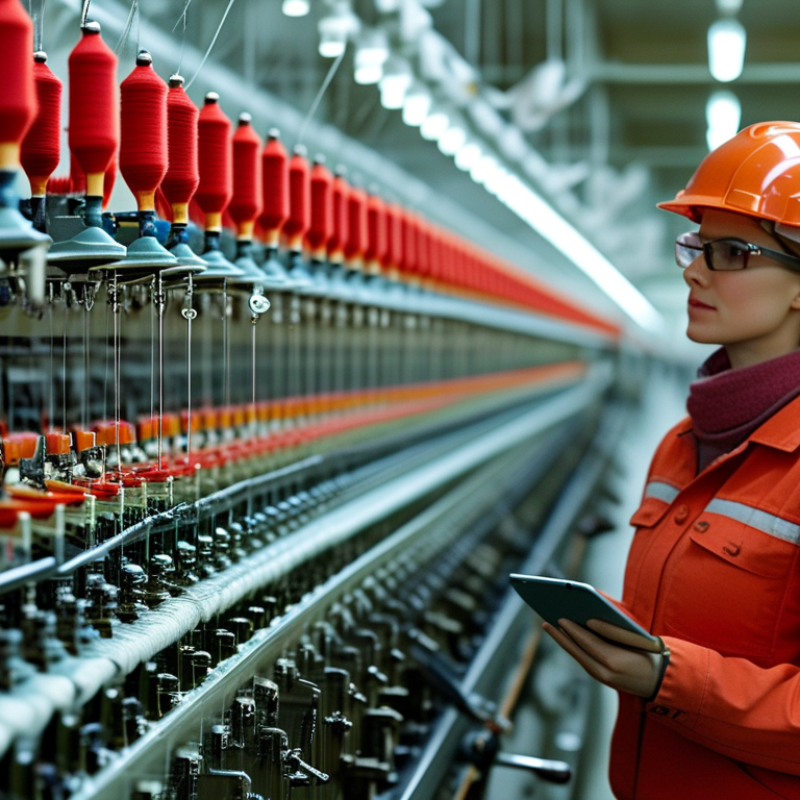
Automatic spinning machines play a vital role in the textile industry. They transform fibers into yarn through a series of mechanical processes. These machines enhance production efficiency and ensure consistent quality in the fabric. Their ability to handle large volumes makes them indispensable. However, their operation is not without risks.
Safety requires careful consideration in the use of automatic spinning machines. Operators must understand machine settings and emergency protocols. Proper training is essential to minimize accidents. Guards need regular checks to ensure they are intact. These precautions protect workers from potential injuries such as entanglement or equipment malfunction.
While advances in technology improve safety features, human error remains a concern. Maintenance routines should be followed rigorously. This can address minor issues before they escalate. Operators may overlook small discrepancies, impacting overall safety. An ongoing commitment to safety culture within the workplace becomes crucial. The health and safety of workers should always be prioritized in spinning operations.
Automatic spinning machines are crucial in the textile industry. However, safety is a principal concern. Various key safety standards must be strictly adhered to ensure worker safety. The International Organization for Standardization (ISO) and the American National Standards Institute (ANSI) outline significant safety regulations for these machines. For instance, ISO 12100 specifies safety principles for machine design and risk assessment.
Maintaining safe operational procedures can drastically reduce accident rates. The National Safety Council reports that industry-specific accidents can cost companies up to $2 million a year. Therefore, proper training and equipment maintenance play pivotal roles. Operators should receive comprehensive training on emergency procedures and machine operation. Additionally, regular inspections can identify potential hazards, allowing for timely interventions.
Tip: Always ensure proper labeling on machinery controls. Clear labels can prevent operational errors.
Employing protective equipment is crucial for operators. Standards such as ANSI/ISA 12.12.01 provide requirements for safety in hazardous environments. Failing to comply with these standards not only poses risks but may also result in legal repercussions. It's imperative to regularly audit compliance and encourage a workplace culture focused on safety and accountability.
Tip: Use safety checklists for daily machine inspections. These can simplify oversight and enhance safety practices.
Automatic spinning machines are pivotal in the textile industry, offering efficiency and precision. However, safety remains a critical concern for operators. The Working Group on Machinery Safety issued guidelines that underscore the necessity for well-defined safety features in these machines. In a 2021 report, it was noted that over 45% of workplace injuries in textile manufacturing stem from machine-related incidents.
Critical safety features for operators include emergency stop buttons, protective guards, and safety interlocks. Emergency stop buttons must be easily accessible and functional under all circumstances. Protective guards must cover hazardous areas to prevent accidental contact. Despite these measures, a 2022 survey revealed that around 30% of operators felt unsure about the effectiveness of existing safety features in their machines. This highlights the need for ongoing training and safety audits.
Furthermore, regular maintenance checks are essential to ensure these safety features remain effective. According to the International Textile Manufacturers Federation, a proactive approach to machine safety can reduce accidents by up to 25%. Operators should also be encouraged to report any safety concerns. A culture that prioritizes safety can profoundly impact overall efficiency and well-being in the workplace.
Maintaining safety and reliability in automatic spinning machines requires a structured approach. Regular inspection plays a vital role. Operators should check for wear and tear, especially in critical components. Noticing small issues early can prevent major failures. Clear documentation of these inspections is essential for accountability.
Another key aspect is developing a maintenance schedule. This should include daily, weekly, and monthly tasks. Routine lubrication and cleaning prevent dirt buildup and mechanical failure. However, it is easy to overlook these seemingly minor tasks. Many facilities struggle with maintaining consistent schedules. Accountability within the team can help foster good habits.
User training is equally crucial. Workers must understand how to operate the machines safely. Regular safety drills can reinforce proper practices. However, finding time for training while meeting production targets can be challenging. It’s important to prioritize safety in a high-pressure environment, as complacency can lead to accidents.
| Safety Requirement | Description | Frequency of Inspection | Responsible Personnel |
|---|---|---|---|
| Emergency Stop Functionality | Ensure the emergency stop button is easily accessible and operational. | Daily | Machine Operator |
| Guarding Systems | Verify that all moving parts are adequately guarded to prevent accidental contact. | Weekly | Maintenance Technician |
| Electrical Safety | Inspect electrical components for wear and insulation integrity. | Monthly | Electrical Engineer |
| Emergency Exits | Ensure exits are clearly marked and unobstructed. | Monthly | Safety Officer |
| Training | Ensure that all operators are trained in machine safety protocols. | Annually | Training Coordinator |
Operating spinning machines requires specific training to ensure safety and efficiency. Personnel must understand the machine's mechanics and potential hazards. A structured training program can enhance their skills and awareness. This program should cover the operational procedures, emergency shutdown protocols, and equipment maintenance.
Tips: Always encourage questions during training. This encourages active participation and clarifies doubts.
Hands-on training is crucial. Simulated scenarios help operators face real-life situations without risks. Supervisors should monitor trainees closely. Feedback is essential for improvement.
Regular refresher courses can keep operators updated. New technologies and techniques emerge in the industry. These sessions promote continuous learning and adaptability in operations.
Tips: Create a supportive learning environment. This fosters confidence and commitment to safety standards.
This chart illustrates the essential safety requirements for personnel operating spinning machines, highlighting the importance of training and compliance to ensure a safe working environment.
: Key features include emergency stop buttons, protective guards, and safety interlocks.
Regular maintenance helps identify wear and tear, preventing major failures.
They should report safety concerns and participate in ongoing training.
Over 45% of injuries in textile manufacturing stem from machine-related incidents.
Routine lubrication and cleaning can prevent dirt buildup and mechanical failure.
Many struggle to adhere to consistent maintenance schedules, affecting safety.
Training ensures operators know safe practices, but it can be hard to schedule.
Prioritizing safety can lead to better overall efficiency and workplace well-being.
They should report any concerns immediately to improve machine safety.
About 30% of operators feel unsure about the effectiveness of current safety measures.
Automatic spinning machines play a crucial role in the textile industry, offering efficiency and precision in yarn production. However, to ensure the safety of operators and the reliability of these machines, it is vital to adhere to established safety standards. Key safety standards govern the design and operation of automatic spinning machines, emphasizing the need for essential safety features such as emergency stop mechanisms, protective guards, and proper maintenance protocols.
Understanding what are the safety requirements for operating automatic spinning machines is imperative for minimizing risks. Operators must undergo comprehensive training that includes familiarization with machine controls, emergency procedures, and routine maintenance practices. By integrating these safety features and training requirements, organizations can create a safer working environment while maximizing the benefits of automatic spinning technology.

ZRF Spinning