Understanding the cost of industrial machinery is crucial for businesses. "How much does an industrial double roller CNC spinning machine cost?" This question is often asked by manufacturers looking to optimize their operations. Experts like John Williams, a seasoned industry consultant, emphasize, "Investing in quality machinery can significantly impact production efficiency."
The price of these CNC machines varies greatly. Factors include size, features, and brand reputation. A basic model may start at $50,000, while advanced systems can exceed $200,000. Businesses must evaluate their specific needs before making a decision. This complexity makes understanding costs essential yet challenging.
Companies must consider long-term benefits against initial costs. A higher price might mean better efficiency and durability. However, the market is full of options. Some machinery may offer lower initial costs but lead to higher maintenance expenses. Finding the right balance demands careful thought and research. Investing in a quality CNC spinning machine can be daunting, yet it is a crucial step for growth.
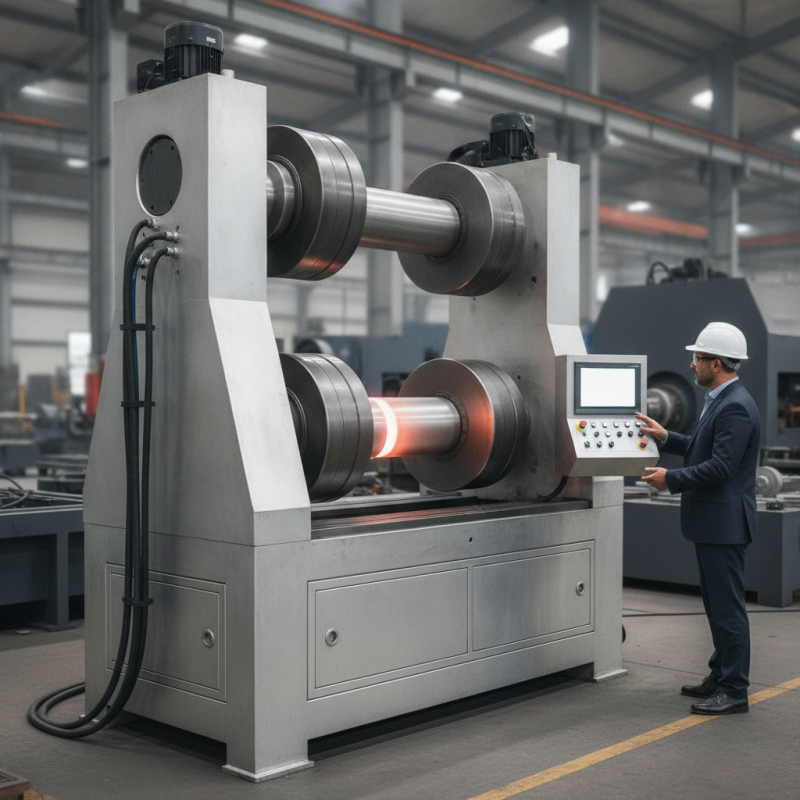
Industrial double roller CNC spinning machines play a crucial role in metal forming processes. These machines leverage advanced technology to manipulate metals into various shapes efficiently. According to a recent market report, the growth rate of this equipment segment is projected to exceed 7% annually. Factors such as increased demand for lightweight materials in industries like aerospace and automotive are driving this growth.
The setup of a double roller CNC spinning machine typically involves two main rollers that create symmetrical products. This design improves precision and throughput compared to traditional spinning methods. Industry data indicates that adopting CNC technology can enhance the accuracy of formed parts by up to 25%. This is vital for manufacturers looking to meet rigorous quality standards in competitive markets.
However, investment costs can vary significantly. Estimates show prices range between $50,000 to $150,000, depending on the machine’s specifications and capabilities. This variance can create challenges for smaller manufacturers facing budget constraints. Balancing initial costs with long-term savings from reduced waste and improved processes is essential for achieving a sustainable operation.
When considering the cost of an industrial double roller CNC spinning machine, several factors come into play. The machine's specifications significantly affect its price. Larger models with advanced features typically see a higher cost. Material type is another essential factor. Machines designed to handle thicker or specialized materials may cost more due to the engineering required.
Maintenance is often overlooked but crucial. Regular upkeep can prevent unexpected costs. Investing in a reliable machine can save money over time. Moreover, the location of the manufacturer can influence shipping and installation fees. Opting for domestic suppliers may reduce these costs, while international sources can increase them.
Tips: When assessing costs, factor in hidden expenses. Look beyond the purchase price. Consider training for your team, too. Understanding the operational intricacies enhances longevity. Weigh all these factors before making your decision. A thorough approach will help you avoid costly mistakes in the future.
When exploring the costs of industrial double roller CNC spinning machines, it's essential to analyze options across various brands and models. Industry reports show that prices can range significantly. Mid-range machines, suitable for small to medium operations, typically cost between $30,000 and $60,000. High-end models, often featuring advanced technology, can exceed $100,000.
One study published by the Manufacturing Technologies Association reveals that buyers should consider factors beyond price alone. The initial cost may reflect technology, durability, and support services offered. A machine priced lower may lack features like automated controls, leading to higher operational costs in the long run.
A detailed comparison of models indicates how features influence pricing. For instance, machines with enhanced structural designs often provide better precision, increasing overall productivity. However, they require substantial upfront investment. Operators must evaluate their specific production needs against their budget constraints. This reflection can lead to more informed decisions, balancing immediate costs with long-term benefits.
When considering the purchase of an industrial double roller CNC spinning machine, one must not overlook the additional costs associated with these advanced tools. While the initial price of these machines might range from $150,000 to $500,000, ongoing operational and maintenance expenses can significantly impact the total investment. According to a recent industry report by the Manufacturing Technology Association, maintenance can consume up to 5% of the machine's value annually. This figure emphasizes the importance of budgeting for upkeep to ensure optimal performance and longevity.
Beyond maintenance, consumables and tooling can add to costs. Specifically, materials like specialized steel and aluminum have seen price volatility. Reports indicate that raw material costs can fluctuate by as much as 25% year over year. Additionally, software updates and training for operators can amount to another $10,000 to $20,000. The investment in training is critical; skilled operators ensure the machinery's efficiency while minimizing downtime.
It’s essential to factor in utilities as well. A CNC spinning machine can consume substantial electricity during operation. The average operational cost for electricity can range from $1,500 to $2,500 monthly, depending on usage patterns. This often-overlooked expense underscores the necessity for careful financial planning when acquiring such machines. Understanding these factors provides a clearer picture of the real cost of ownership, helping manufacturers make informed decisions.
Investing in CNC technology can significantly enhance operational efficiency. The industrial double roller CNC spinning machine is a prime example. Its advanced automation features reduce manual labor costs. Labor in manufacturing often consumes a large portion of the budget. By adopting CNC, businesses can offset these expenditures over time.
The initial cost of such machinery can be daunting for some. High-quality CNC machines require a substantial upfront investment. However, consider the long-term benefits. Reduced waste, consistent production quality, and faster turnaround times are crucial advantages. A cost-benefit analysis may show that the return on investment is achieved sooner than expected.
However, the transition isn’t always smooth. Training staff to use CNC machines demands time and resources. Not every employee may adapt quickly, potentially delaying production. Businesses should weigh these challenges against the potential gains. Investing in CNC technology can be a double-edged sword, requiring thoughtful consideration of both costs and benefits.
: Prices vary widely. Mid-range machines cost between $30,000 and $60,000. High-end models exceed $100,000.
Buyers should consider technology, durability, and support services. Low-priced machines might lack essential features.
Enhanced precision can improve overall productivity. However, it typically comes with a higher upfront investment.
It can enhance operational efficiency and reduce manual labor costs over time. This can lead to savings in the budget.
Benefits include reduced waste, consistent production quality, and faster turnaround times. These can improve overall profitability.
Staff training can be time-consuming and resource-intensive. Not every employee may adapt quickly, impacting production.
Yes, a cost-benefit analysis can show potential returns earlier than expected. However, every situation is unique.
Poorly executed training can delay production. Unexpected issues may arise, challenging the transition process.
No, a balance is crucial. Technology features often determine long-term operational efficiency, impacting overall costs.
No, it requires careful reflection of both costs and benefits. It can be a double-edged sword requiring thorough evaluation.
The article addresses the question of how much does an industrial double roller CNC spinning machine cost by exploring various factors that influence pricing in this specialized market. It delves into the distinct features and capabilities of industrial double roller CNC spinning machines, highlighting their importance in manufacturing processes. Key factors affecting the cost include the technology, materials used, and machine specifications.
Furthermore, the article compares prices across different brands and models, providing insights into market trends. Additional costs such as maintenance, software, and operator training are discussed to give a complete picture of the investment required. Finally, a cost-benefit analysis illustrates the long-term advantages of investing in CNC technology, emphasizing its potential for enhancing productivity and efficiency in industrial applications.

ZRF Spinning