Top 10 Reasons Why Your CNC Spinning Machine Causes Wrinkles?

Time:2026-06-06 Author:Oliver
0%

In the world of CNC machining, wrinkles and cracks in materials are a common concern among operators. As CNC expert Dr. William Chen emphasizes, "Identifying the root cause is vital to preventing material defects." This highlights the importance of understanding the question, "why is my CNC spinning machine causing material wrinkling and cracking?"

Operators often face issues like improper material feeding or unsuitable tooling. Even slight variations can lead to significant imperfections in the final product. Understanding machine settings and environmental factors becomes crucial. For instance, using incorrect spindle speeds can contribute to unwanted deformations.

Moreover, the complexity of CNC spinning requires an in-depth analysis of each component's role. Experts point out that maintenance and calibration should not be overlooked. Regular checks can prevent problems before they escalate. Consideration of these factors can lead to better outcomes and improved quality in production.
Top 10 Reasons Why Your CNC Spinning Machine Causes Wrinkles?

Common Causes of Wrinkles in CNC Spinning Machine Operations

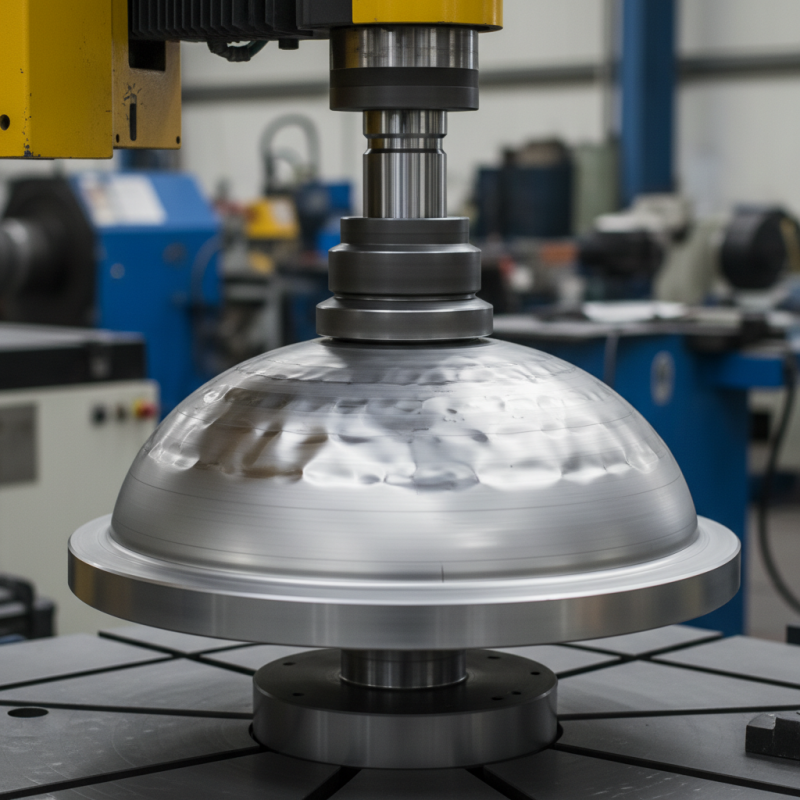
CNC spinning machines are essential in various manufacturing processes. However, wrinkles can often occur during operations, leading to defects in finished products. Understanding the common causes of these wrinkles is crucial for maintaining quality and efficiency.

One major factor is improper tooling setup. If the tooling is not aligned correctly, it can create uneven pressure. This unevenness often results in wrinkles on the material. Additionally, incorrect material tension can exacerbate this issue. If the tension is too tight or too loose, it can affect how the material flows during the spinning process. Operators must regularly check and adjust these settings to minimize wrinkles.

Another common cause is inadequate machine maintenance. Machines that are not well-maintained can have mechanical flaws, causing inconsistency in performance. Worn-out components may lead to vibrations or misalignment during operation. This situation creates an environment ripe for wrinkles. Regularly scheduled maintenance and inspections help prevent these mechanical issues. Operators should also be mindful of the materials used, as lower-quality options can lead to additional complications.

Top 10 Reasons Why Your CNC Spinning Machine Causes Wrinkles

Reason Description Impact
Improper Tooling Using the wrong tool configuration can lead to inconsistent material flow. High potential for surface defects and uneven walls.
Inconsistent Material Thickness Variability in raw material thickness can lead to uneven processing. Results in wrinkles and compromised structural integrity.
Improper Speed Settings Too high or too low spindle speeds can affect material handling. May cause excessive strain and wrinkles on the material.
Lack of Lubrication Inadequate lubrication can increase friction during the spinning process. Leads to overheating and deformation of the material.
Machine Calibration Issues Improper calibration can lead to misalignment and uneven pressure. Results in wrinkles and dimensional inaccuracies.
Tool Wear and Tear Worn tools can fail to apply the necessary pressure consistently. Leads to non-uniform material flow and surface defects.
Operator Error Inexperienced operators may not follow correct operating procedures. Can cause irregularities in the final product, including wrinkles.
Environmental Factors Humidity and temperature variations can affect material characteristics. May cause warping or unintended material behavior during processing.
Inadequate Cooling Insufficient cooling can cause heating-induced material deformation. Can lead to irregular shapes and wrinkles in finished products.

Material Selection and Its Impact on Wrinkle Formation

When it comes to CNC spinning machines, material selection plays a vital role in wrinkle formation. The type of material used can significantly influence how it behaves under pressure and heat. For instance, softer materials may be more prone to stretching unevenly, leading to wrinkles as they are spun. Rigid materials, while easier to maintain shape, can crack or become brittle, also resulting in imperfections.

Thickness variation in the material can further complicate the process. Uneven thickness can create tension spots during spinning, which easily translates into wrinkles. It’s crucial to ensure consistent material quality. Additionally, recycled materials, though cost-effective, can introduce inconsistencies. These materials may have irregularities that can contribute to unwanted defects.

Choosing the right material isn’t just about cost and availability; it requires a deeper understanding of its properties. Testing materials under similar conditions to those expected in production is essential. This will provide insight into potential behavior during the spinning process. Recognizing these problems early on can help manufacturers avoid costly mistakes and improve product quality. It's an ongoing journey of learning and refinement.

Effects of Improper Machine Settings on Surface Quality

CNC spinning machines require precise settings to achieve optimal surface quality. Improper adjustments can lead to visible defects, such as wrinkles. The Surface Engineering Association reports that up to 30% of surface imperfections arise from incorrect spindle speeds or torques, impacting the finish quality significantly.

Setting the right feed rate is crucial. A report from the International Journal of Advanced Manufacturing Technology indicates that deviations in this parameter can create uneven surfaces. For instance, if the feed rate is too high, the material may not shape uniformly, causing unwanted rippling. Observations show that even minor alterations in these settings can result in significant visual defects.

Maintaining the correct temperature is also vital. Excessive heat during the spinning process can warp materials. Studies suggest that maintaining temperatures within optimal ranges reduces the likelihood of such issues. Operators often overlook these details. A slight oversight in temperature or speed can trigger ripple patterns that are challenging to correct. It's essential to monitor these factors closely for improved results.

Role of Tooling and Fixtures in Preventing Wrinkles

When operating CNC spinning machines, the role of tooling and fixtures cannot be overstated. Properly designed tooling ensures tools maintain consistent pressure on the material, preventing unwanted wrinkles. Fixtures should securely hold the workpiece in place to avoid movement during the spinning process. Any slight misalignment can contribute significantly to producing surface defects.

Tooling materials also play a critical role in wrinkle prevention. Hardened tools resist deformation under heat and pressure. Choosing the right material can enhance the quality of the spun product. However, maintaining these tools is equally essential. Dull or worn-out tools can create inconsistencies, leading to wrinkles in the final product. Regular inspections are necessary to ensure tools are in optimal condition.

Moreover, the setup of the CNC machine influences the outcome. Operators need to focus on the speed and feed rates during the spinning process. An incorrect combination can generate excessive forces, resulting in material distortion. Reflecting on previous projects may uncover patterns that cause reoccurring issues. By analyzing these aspects, manufacturers can work towards improving production consistency and quality.

Top 10 Reasons Why Your CNC Spinning Machine Causes Wrinkles

Maintenance Practices to Reduce Wrinkle Issues in CNC Machines

CNC spinning machines are vital for precision metalworking. However, wrinkles can mar the final product. Proper maintenance is crucial to mitigate this issue. Regularly checking and calibrating your machine ensures consistent performance. According to a recent industry report, nearly 15% of manufacturing defects arise from poor machine upkeep. Keeping oil levels in check prevents friction and wear, which can lead to unwanted surface imperfections.

Tips: Schedule routine inspections. Look for misalignments. Clean components thoroughly before and after use. A clean machine operates smoothly, reducing error rates.

In addition, the training of operators is often overlooked. Well-trained personnel recognize potential problems early. A survey indicates that 30% of firms fail to train staff adequately, leading to exploitative errors. Misuse or neglect can exacerbate the wrinkling issue, costing time and resources.

Tips: Conduct regular training sessions. Provide operators with troubleshooting guides. Engage them in discussions about machine performance and maintenance practices. Addressing these practices fosters a culture of quality awareness.

FAQS

: What causes wrinkles in CNC spinning machine operations?

: Improper tooling setup and incorrect material tension are major causes of wrinkles.

How does tooling setup affect wrinkles?

Misalignment of tooling creates uneven pressure, leading to wrinkles on the material.

What role does material tension play?

If the tension is too tight or loose, it can disrupt material flow, causing wrinkles.

Why is machine maintenance important?

Inadequate maintenance leads to mechanical flaws, which can cause inconsistent performance and wrinkles.

What maintenance practices can reduce wrinkles?

Schedule regular inspections, clean components, and check oil levels to ensure smooth operation.

How can operator training help with reducing wrinkles?

Well-trained operators can identify potential problems early, preventing costly mistakes.

Are there consequences to neglecting training?

Yes, nearly 30% of firms face increased errors due to insufficient operator training.

What should be included in operator training?

Provide troubleshooting guides and engage in discussions about machine performance and maintenance.

How can a clean machine affect performance?

A clean machine operates efficiently, reducing the likelihood of surface imperfections.

What should I do if wrinkles persist in production?

Regularly review tooling setup, material tension, and operator training to identify potential areas for improvement.

Conclusion

Wrinkles in CNC spinning machine operations can stem from various factors, leading many operators to wonder, "why is my CNC spinning machine causing material wrinkling and cracking?" One primary cause relates to material selection, as certain materials are more prone to wrinkling than others. Additionally, improper machine settings can significantly adversely affect surface quality, resulting in undesired defects.

Tooling and fixtures also play a crucial role in preventing these issues. When not correctly aligned or maintained, they can contribute to wrinkle formation. Regular maintenance practices are essential in ensuring that CNC machines operate effectively, minimizing disruptions and maintaining quality. By addressing these common causes, operators can enhance the performance of their CNC spinning machines and reduce the likelihood of material defects.

Oliver

Oliver

Oliver is a seasoned marketing professional with a wealth of expertise in driving brand awareness and engagement. With a deep understanding of our company's product offerings, he consistently delivers high-quality content that enriches our professional blog. His insights not only shed light on......