In the world of CNC metal spinning, defects can significantly impact production quality. Understanding "what are the most common defects in cnc metal spinning and how to fix them" is crucial. Experts like John Smith, a leader in metal forming technologies, emphasize the importance of addressing these issues early on. He states, "Identifying defects promptly can save time and money in the long run."
Common defects include uneven wall thickness, surface imperfections, and distortion. Each defect presents unique challenges. For instance, uneven wall thickness may lead to structural weaknesses in products. Surface imperfections can result in aesthetic disappointments, affecting customer satisfaction. Addressing these problems requires a keen understanding of the spinning process and the materials involved.
Technological advancements have equipped manufacturers with tools to mitigate these defects. Regular machine maintenance and staff training are essential in maintaining quality standards. However, even with the best practices, unforeseen issues can arise. A continuous improvement mindset is key. Therefore, companies must stay vigilant about learning and adapting.
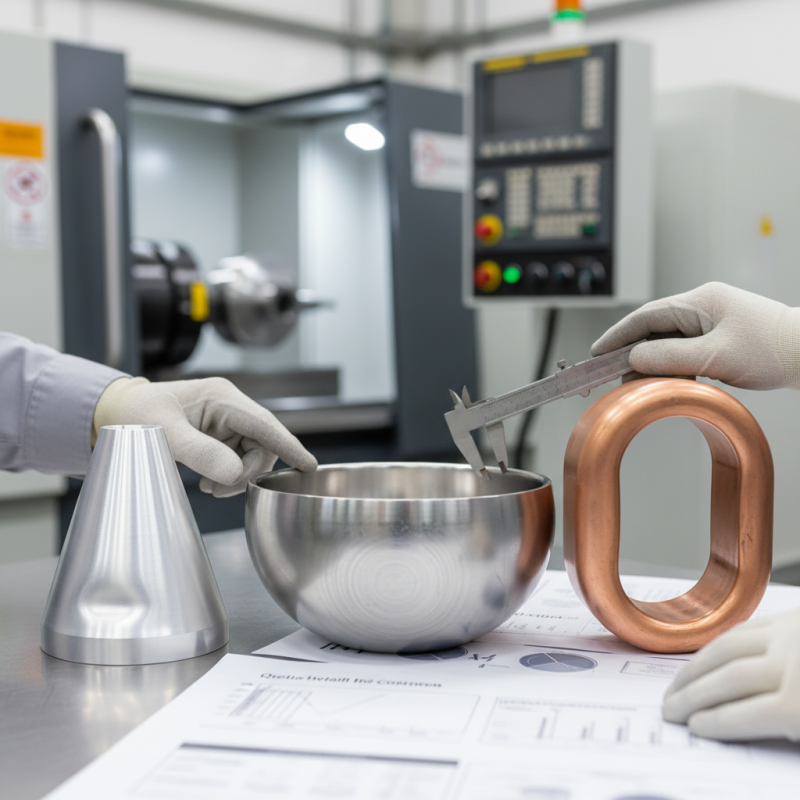
Common CNC Metal Spinning Defects Overview
CNC metal spinning can produce high-quality parts, but defects often arise in the process. It's essential to recognize these common defects to ensure the quality of your products. Common issues include surface imperfections, such as scratches or dents, and dimensional inaccuracies that affect fit and function. Often, these defects stem from improper tooling or material handling.
Tip: Regularly inspect tooling for wear. Worn tools can create uneven surfaces and dimensional errors. Adjusting the setup and using the right lubricants can mitigate these issues. Proper material selection also plays a crucial role in the quality of the final product.
Unexpected results can teach valuable lessons. A warped piece may result from misalignment during setup. Addressing this requires a keen eye for detail and precise calibration of machines. Keeping a log of defects can help identify patterns and root causes, paving the way for continuous improvement.
Tip: Train staff to recognize early signs of defects. Early intervention can save time and resources. Moreover, fostering an environment where team members feel comfortable sharing concerns can lead to better quality outcomes.
Typical Defects in CNC Metal Spinning Processes
In CNC metal spinning processes, various defects can arise, significantly impacting product quality. One common issue is dimensional inaccuracy. A 2022 industry report indicated that around 15% of spun components fail to meet specified tolerances. This can occur due to improper machine calibration or wear on tooling. Regular checks and maintenance are crucial for maintaining precision.
Another frequent defect involves surface finish problems. A study found that nearly 20% of metal spun items exhibit poor surface quality, often caused by inadequate lubrication or tool choice. Surface imperfections can lead to increased friction and shorten product life. Implementing a comprehensive lubrication schedule can mitigate this issue, ensuring smoother operation and a better finish.
Warping and distortion can also occur during the spinning process, particularly with thinner materials. An alarming 12% of manufacturers reported issues with warping, which can be traced back to uneven material heating. Monitoring temperature closely and ensuring even distribution during the spinning can greatly reduce this risk. These insights underscore the importance of addressing and reflecting on these defects, enhancing overall manufacturing reliability.
Common CNC Metal Spinning Defects and Their Frequencies
Causes of CNC Metal Spinning Defects: A Detailed Analysis
CNC metal spinning can lead to various defects. Understanding their causes is essential for quality output. One common issue is warping, which occurs due to uneven heating. This can distort the workpiece during processing. Another frequent defect is surface blemishes, often arising from improper tooling or wear.
To address these defects, it’s vital to regularly inspect tooling and ensure it's sharpened. Poorly maintained tools can lead to uneven metal flow. Adjusting the spinning speed can also minimize surface defects. Too fast a speed may cause imbalances, while too slow can lead to excess heating.
Tip: Regular calibration of your CNC equipment can prevent defects. Consistent quality checks ensure the metal spinning process remains reliable. Keep documentation of adjustments to track improvements over time. Maintain an organized workspace to reduce errors.
Preventive Measures to Avoid CNC Metal Spinning Defects
CNC metal spinning is a precise technique. However, defects can arise during production. Preventive measures are essential to maintain quality and reduce costs. According to a report by the American Society for Metal Processing, nearly 15% of defects in metal spinning can be attributed to operator error. Proper training is crucial. Skilled operators can identify issues early, preventing further complications.
Regular maintenance of CNC machines is vital. A survey by the Metal Forming Association revealed that 30% of machine failures stem from inadequate upkeep. Schedule routine checks and recalibrations to ensure optimal machine performance. Monitoring tool wear can also help. Tools should be replaced based on usage metrics rather than visual inspection alone.
Environmental factors play a role as well. Temperature and humidity can affect material behavior. The Engineering Toolbox states that maintaining a stable environment can reduce defect rates by up to 20%. Provide adequate ventilation and control ambient conditions. Utilizing higher-quality materials also contributes to better outcomes. While costs may be higher, the reduction in defect rates leads to long-term savings.
Common CNC Metal Spinning Defects and How to Fix Them
| Defect Type |
Description |
Preventive Measures |
Fixes |
| Surface Imperfections |
Visible defects on the surface like scratches or dents. |
Regular equipment maintenance and correct tooling. |
Polish the surface and replace damaged tools. |
| Thickness Variation |
Inconsistent wall thickness in the spun part. |
Control feed rate and spinning speed. |
Adjust machine settings and re-spun parts. |
| Metal Cracking |
Fractures occurring in the metal during spinning. |
Use proper metal types and monitor temperature. |
Rework the part or select a more ductile material. |
| Misalignment |
Parts not aligned correctly during spinning. |
Ensure proper setup and tooling accuracy. |
Realign and make necessary adjustments. |
| Edge Distortion |
Edges of the part may deform. |
Use appropriate tooling and adjust cutting speed. |
Reform edges and use edge trimming tools. |
Effective Repair Techniques for CNC Metal Spinning Defects
CNC metal spinning can produce high-quality components, but defects often occur. Addressing these issues requires effective repair techniques. The most common defects include surface roughness, uneven wall thickness, and material cracks. Each of these problems can impact the functionality of the final product.
To repair surface roughness, consider using finer abrasives during the finishing process. This helps achieve a smoother texture. Another approach is to examine your tooling; worn-out tools can contribute to poor surface quality. Perform regular maintenance to keep them sharp and functional.
For uneven wall thickness, careful monitoring during the spinning process is essential. Adjust the speed and feed rate to ensure a consistent thickness throughout. If wall inconsistencies occur, additional metal can be added in the problem areas. This can be challenging but is essential for maintaining the integrity of the design.
Tips: Always run test spins with scrap materials. This prevents material wastage from defective final products. Evaluate your processes regularly to identify any recurring issues. Learning from past defects can significantly enhance production quality.
Conclusion
In the realm of CNC metal spinning, understanding what are the most common defects in CNC metal spinning and how to fix them is crucial for maintaining quality and efficiency. Common defects include uneven wall thickness, surface imperfections, and dimensional inaccuracies. These issues can stem from various causes, such as improper tooling, inadequate machine settings, or material inconsistencies.
To mitigate these defects, preventive measures like regular maintenance of equipment, proper selection of materials, and thorough operator training are essential. Additionally, effective repair techniques, such as re-spinning or surface treatment, can address existing flaws. By being proactive and knowledgeable about these common defects, manufacturers can enhance their production processes and ensure high-quality outcomes in CNC metal spinning.

 ZRF Spinning