When considering manufacturing methods, one crucial decision emerges: why use CNC metal spinning instead of traditional metal stamping dies? Industry expert John Smith, a leading figure in advanced manufacturing, emphasizes the importance of this choice. He states, "CNC metal spinning offers unparalleled precision and flexibility compared to conventional stamping."
CNC metal spinning harnesses computer-controlled technology. This allows for intricate designs with minimal waste. In contrast, traditional stamping often requires expensive, customized dies. These dies can be time-consuming to create and maintain, leading to increased production costs. The adaptability of CNC metal spinning stands out, especially for custom projects or short runs.
Additionally, CNC metal spinning can produce complex shapes that stamping might struggle to create. This capability broadens design possibilities. However, it is essential to evaluate specific project needs. Not every project benefits from the same approach. Companies must consider factors like volume, budget, and design complexity when making their decision. Understanding "why use CNC metal spinning instead of traditional metal stamping dies" can lead to significant improvements in efficiency and product quality.
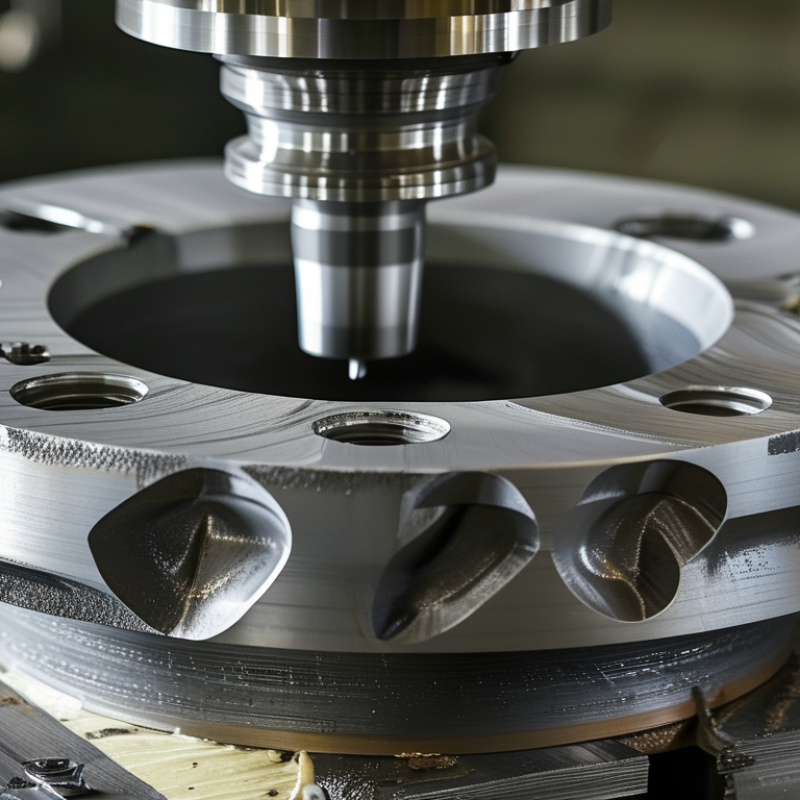
CNC metal spinning and traditional stamping are two methods of shaping metal. Understanding their differences is crucial for making an informed choice. CNC spinning uses computer-controlled tools to shape metal into desired forms. This process allows for more intricate designs and greater flexibility in production. It can create complex shapes that stamping might struggle with. However, it is sensitive to material types and thicknesses.
Traditional stamping involves pressing metal sheets into molds. This method is faster for high-volume production. It’s a reliable choice but offers less design flexibility. Stamping may also generate waste material, which can increase costs. Both methods have their own advantages, and the choice depends on project requirements.
Tip 1: Consider the volume of production. CNC spinning may be better for lower volumes with high customization needs. Conversely, stamping is more efficient for large quantities of simple shapes.
Tip 2: Evaluate your design complexity. If you need intricate details, CNC spinning shines. For straightforward designs, traditional stamping will save time.
Take time to analyze both options. Reflection on the project's demands can lead to better decisions. Each method has limitations that might not suit all projects. Proper assessment will help you avoid costly mistakes.
CNC metal spinning presents distinct advantages over traditional stamping. According to industry reports, CNC spinning can produce complex shapes with high precision while enhancing surface finish quality. In fact, studies have shown that the dimensional tolerances for CNC-spun products can reach ±0.005 inches, outperforming many stamping methods.
Cost-effectiveness is another key benefit. While the initial setup for CNC spinning may be higher, the reduction in material waste offers significant long-term savings. Traditional stamping often requires extra material due to design constraints. CNC spinning utilizes the raw material more efficiently, which means lower costs per unit for complex designs. This efficiency is critical, especially in large-scale production runs.
However, the transition to CNC spinning is not without challenges. Some manufacturers may face a learning curve when adopting CNC technology. Training operators requires time and resources. Additionally, not all production lines may be equipped to handle the newer technologies. As industries evolve, companies must weigh these factors carefully. They must decide whether the precision and efficiency of CNC metal spinning are worth the investment compared to traditional methods.
When considering CNC metal spinning over traditional stamping, several factors come into play. One important aspect is design flexibility. CNC spinning allows for complex shapes and custom designs with less effort. According to industry reports, about 30% of projects can be more efficiently managed through CNC methods due to their adaptive capabilities.
Another influencing element is material waste. Traditional stamping can lead to significant scrap rates, often exceeding 20%. In contrast, CNC spinning typically produces less waste, sometimes as low as 5%. This efficiency not only saves costs but also promotes sustainable practices. However, it’s crucial to consider the learning curve and initial setup costs associated with CNC technology.
Production speed is also a key factor. While CNC spinning may have a slower start-up, once running, it often surpasses stamping speeds for small to medium runs. Yet, for large-scale production, stamping may still hold the edge. Each method has unique advantages, and examining specific project needs is essential for the best outcome.
| Factors | CNC Metal Spinning | Traditional Stamping |
|---|---|---|
| Material Flexibility | High | Moderate |
| Initial Setup Cost | Lower | Higher |
| Production Speed | Moderate | High |
| Design Complexity | High | Low |
| Tolerance Precision | High | Moderate |
| Prototype Production | Easier | More Challenging |
| Material Waste | Lower | Higher |
| Customization Options | High | Limited |
When deciding between CNC metal spinning and traditional stamping, cost is a significant factor. CNC metal spinning can reduce material waste due to its efficient design process. This efficiency often translates into lower raw material costs, especially for unique shapes. Traditional stamping requires large die sets, which can be expensive and time-consuming to create. Additionally, setting up dies for different parts adds to the overall costs.
However, the initial investment for CNC machines can be high. There is a need for skilled operators who understand programming and machinery. This requirement can raise labor costs. On the contrary, traditional stamping processes tend to have lower operational costs once the setup is complete. Large production runs can offer cost benefits that CNC spinning cannot always match.
Consider the project scale. Small to mid-sized projects may find CNC spinning more economical. For large batches, traditional stamping might be more efficient. Balancing these factors can seem daunting. Understanding the unique demands of each project allows better decision-making regarding cost and technique. Each method has its advantages and pitfalls, demanding careful reflection before committing.
CNC metal spinning is increasingly favored in various industries. Its versatility makes it suitable for applications in sectors like aerospace, automotive, and medical devices. For instance, creating lightweight components in aerospace requires precision and strength. Metal spinning adapts to complex designs, allowing for efficient production of specialized parts.
In the automotive industry, the ability to produce components with a smooth finish is crucial. CNC metal spinning achieves this through precise control over material deformation. This can lead to better performance and durability compared to traditional stamping methods. However, some may question whether CNC metal spinning is always the best choice. The initial setup cost can be higher, which might not suit every project.
In the medical field, custom solutions are essential. Devices often require unique shapes and sizes. CNC metal spinning can fulfill these specific needs effectively. However, the learning curve for operators can be steep. Ensuring quality and consistency may also pose challenges, as not all designs translate well to this technique. Balancing these factors is essential for successful implementation.
: CNC metal spinning offers high precision and better surface finish quality. It can produce complex shapes effectively.
CNC-spun products have dimensional tolerances of ±0.005 inches, often surpassing many stamping methods.
Yes, while initial costs are higher, there's less material waste, leading to lower costs per unit in the long run.
It's used in aerospace, automotive, and medical devices due to its versatility and precision in producing specialized parts.
There can be a learning curve for operators, and training requires time and resources, which some may find daunting.
Yes, CNC metal spinning can create custom solutions, fitting unique shapes and sizes essential for medical devices.
Yes, its efficiency is critical in large-scale runs, although the setup cost may be a concern for some projects.
Not always. The setup cost can be higher and may not be suitable for every design or project.
They should weigh precision, cost, learning curve, and the specific needs of their production line.
Yes, ensuring consistent quality can be challenging, especially if the design does not easily translate to this technique.
In the debate over fabrication techniques, one key question arises: why use CNC metal spinning instead of traditional metal stamping dies? Understanding the fundamental differences between CNC metal spinning and traditional stamping is crucial. CNC metal spinning offers distinct advantages, including greater flexibility in design, faster production times, and the ability to create complex shapes with minimal material waste.
Cost considerations also play a significant role in decision-making; while initial setup for CNC metal spinning may vary, the reduced waste and enhanced customization potential often lead to long-term savings. Various industries can leverage these benefits, from automotive to aerospace, making CNC metal spinning an appealing choice for manufacturers seeking innovative and efficient production methods. Overall, selecting the appropriate technique hinges on specific project requirements, production volume, and desired material characteristics.

ZRF Spinning