The high-speed spinning process is widely used in manufacturing aluminum components. However, it often leads to a common issue: cracking of aluminum blanks. Understanding why do aluminum blanks crack during the high-speed spinning process is essential for producers.
Cracking can occur due to multiple factors. The rapid rotation generates intense forces that can overwhelm the material's ductility. Additionally, the heat generated during spinning may lead to thermal stresses. These stresses can exacerbate the risk of cracks forming. The composition and thickness of the aluminum blank also play a critical role in its performance.
Improving the process involves both scientific insight and practical experience. Manufacturers must continually test different parameters to find optimal combinations. A systematic approach to identify the root causes of cracking can enhance reliability. Recognizing this issue is a step towards improving material performance in high-speed spinning operations.
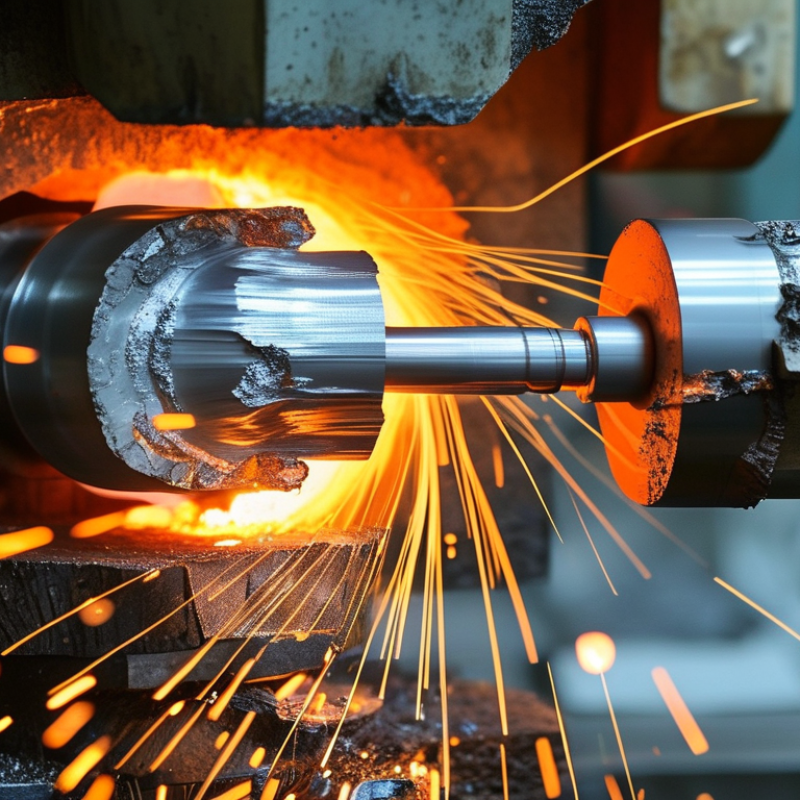
Cracking in aluminum blanks during high-speed spinning can be a significant issue. Several factors contribute to this problem. One primary cause is the rapid deformation of the aluminum material. When spinning, the metal undergoes intense stress. If the material is not properly prepared, cracks can appear quickly.
Another factor is the temperature of the aluminum. As the spinning process generates heat, the material's properties can change. Cooling too slowly or unevenly may lead to weaknesses in the structure. Even minor inconsistencies in the heating process can cause serious damage.
Finally, the quality of the aluminum itself plays a crucial role. Impurities or variations in alloy composition can lead to weaknesses that make cracking more likely. Variations in manufacturing or handling can create stress points. Regular inspections and quality control measures are essential to avoid these issues. Reflecting on the spinning process might reveal overlooked details that contribute to cracking problems.
The aluminum blank's properties play a crucial role in the
high-speed spinning process. The
alloy composition directly influences
strength and ductility. A high magnesium content can improve strength. However, it may also lead to brittleness
when subjected to extreme speeds. Such brittleness increases the risk of cracking
during spinning.
Heat treatment also affects the aluminum's microstructure. The process might create residual stresses.
These stresses can lead to unexpected failures. Ductility can decrease if aluminum is improperly heated. This
oversight can result in significant production losses.
Surface finishes must not be overlooked.
A rough surface can create stress concentrations. These areas are prone to crack propagation under high rotational forces.
Regular inspection and quality control are essential. Not every spinning
process will have the same outcomes. Experiments are necessary to optimize the parameters for each specific aluminum alloy.
The spinning speed significantly influences the integrity of aluminum blanks during processing. According to industry reports, increased rotational speeds can lead to surface defects and even cracks. When the spinning speed exceeds optimal levels, the friction and heat generated may weaken the metal structure. This highlights the need for careful monitoring of operational parameters.
When analyzing aluminum behavior at various speeds, data indicates that optimal spinning occurs around 500 to 700 RPM. At these speeds, material maintains its integrity. However, exceeding 800 RPM can result in excessive strain. This excessive strain is often a precursor to cracking. Tooling and process setups must account for these parameters to ensure quality outputs.
Additionally, a study from the Journal of Materials Processing Technology revealed that about 30% of blanks fail due to high-speed impacts. This failure underscores the importance of process refinement. Not all blanks can withstand high-speed conditions. Each batch may respond differently based on its alloy composition and thermal history. Continuous evaluation is essential, as failures can lead to increased production costs and material waste.
| Spinning Speed (RPM) | Blank Thickness (mm) | Material Temperature (°C) | Crack Occurrence (%) | Surface Roughness (µm) |
|---|---|---|---|---|
| 500 | 5 | 200 | 5 | 2.5 |
| 1000 | 5 | 250 | 12 | 3.1 |
| 1500 | 5 | 300 | 25 | 4.0 |
| 2000 | 5 | 350 | 40 | 5.5 |
| 2500 | 5 | 400 | 60 | 6.8 |
In the high-speed spinning process of aluminum, cracks can develop due to various factors. The temperature increase from friction can soften the material and cause structural weaknesses. Additionally, improper tooling technique or inadequate material selection might lead to deformation and stress concentrations. Addressing these issues is crucial to preserve the integrity of the aluminum blanks.
To minimize cracking, several techniques can be employed. Cooling systems can be integrated to maintain optimal temperatures during spinning. Using high-quality aluminum alloys can also enhance durability and reduce the likelihood of cracks. Adjusting the tooling design and speed helps to ensure the material experiences even pressure distribution, mitigating risk points effectively. These methods require constant monitoring and adjustments to maximize results.
However, even with these techniques, some cracks may still occur. Learning from these imperfections is vital. Each failure offers insight into material behavior under stress. Continuous evaluation and innovation in the spinning process can lead to better practices and improved outcomes over time. Experimentation is key, as the perfect technique may not yet exist.
High-speed spinning processes in aluminum manufacturing can lead to various defects. One significant issue is cracking in aluminum blanks. This occurs due to stress concentrations and improper material properties. Inadequate control of spinning speeds or temperatures can aggravate these conditions.
Manufacturers often face challenges with blank uniformity. Variations in material thickness contribute to defects during the spinning process. Additionally, improper handling and storage can lead to scratches or dents on the aluminum surface. These flaws can compromise the integrity of the final product, leading to higher rejection rates.
Understanding these defects requires a holistic view of the manufacturing process. Regular inspections and proper training for staff can minimize errors. However, anticipating every potential flaw remains difficult. Continuous improvement is necessary to enhance product quality. Addressing these issues is vital for maintaining efficiency and reducing waste.
: Rapid deformation during high-speed spinning puts intense stress on aluminum, leading to cracks.
Increased temperatures during spinning can alter material properties, causing weaknesses if not managed properly.
Impurities and alloy variations can create stress points, increasing the likelihood of cracking.
Cooling systems maintain optimal temperatures, preventing softening and structural weaknesses in aluminum.
Proper tooling design and appropriate speed distribution ensure even pressure, reducing risk of deformation.
No technique is perfect; some cracks may still occur despite best efforts and techniques.
Analyzing and learning from the failure provides insights into material behavior and spinning process.
Regular inspections are essential to monitor quality and detect issues before they lead to cracks.
Not all alloys are suitable; high-quality materials are critical to withstand the spinning process.
Continuous adjustments and evaluations help optimize techniques and improve outcomes over time.
Aluminum blanks are prone to cracking during high-speed spinning processes, primarily due to several interrelated factors. Key contributors include the material properties of aluminum, such as its ductility and strength, which significantly influence the blank's ability to withstand the stresses of rapid spinning. Additionally, increased spinning speeds can exacerbate these issues, leading to potential integrity failures in the material. Understanding why do aluminum blanks crack during the high speed spinning process is crucial for manufacturers to identify and mitigate these risks.
To address these challenges, various techniques can be employed to minimize cracking, including optimizing material selection, controlling spinning parameters, and employing advanced tooling methods. Furthermore, awareness of common defects that can arise during the aluminum blank manufacturing process is essential in preventing issues that may lead to cracking. By focusing on these factors, manufacturers can enhance the reliability and performance of aluminum blanks in high-speed applications.

ZRF Spinning